
- 01Apr
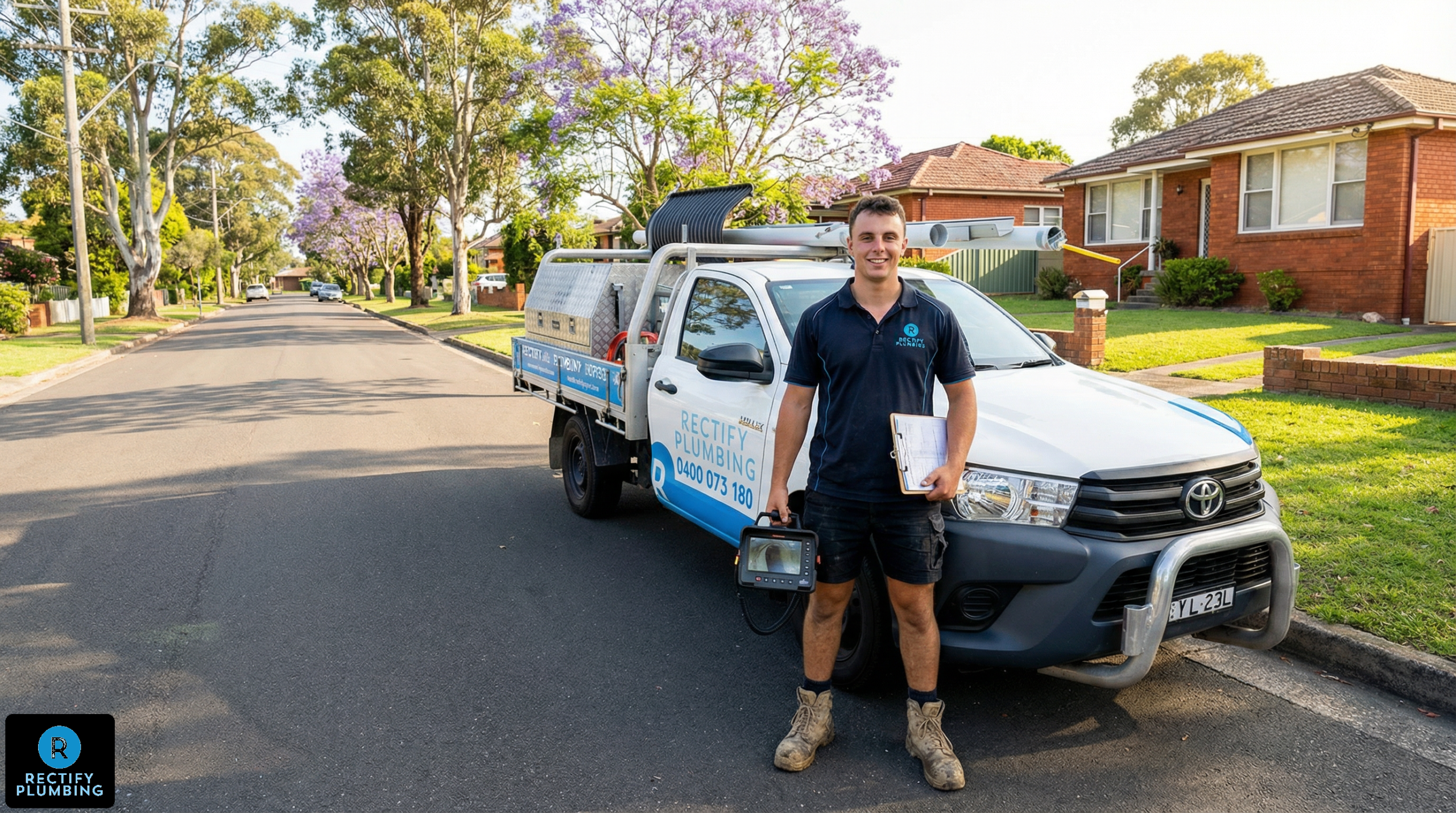
Plumbing Problems in Ryde, Carlingford & the Parramatta Area: A Local Plumber's Guide
Ryde, Carlingford and the Parramatta corridor is one of the most varied plumbing environments we work in. In the same week we might be in a 1960s fibro home in Ryde dealing with original galvanised pipe work, a 1970s clay-pipe housing estate in Carlingford with a tree root problem that’s been building for years, and a high-rise apartment building in Parramatta CBD with shared drainage infrastructure and strata responsibility questions.
Each part of this corridor has its own character — and its own typical plumbing problems. If you live in this area and you’ve been dealing with something that doesn’t seem to get fully resolved, or you’ve had the same issue come back more than once, there’s usually a specific reason for it that comes down to the age and type of infrastructure your home was built with.
This article covers the most common plumbing problems we see across Ryde, Carlingford, Parramatta, Seven Hills, Merrylands and the surrounding area — what’s causing them, what we find when we investigate, and what the right fix actually looks like.
The Ryde Problem: Galvanised Pipes and What They Do Over Time
What Galvanised Steel Pipes Are and Why They’re Failing
A significant proportion of homes in Ryde, West Ryde, Meadowbank and the surrounding suburbs were built in the 1960s and early 1970s. The standard water supply pipe material in Australian residential construction during that era was galvanised steel — steel pipe with a zinc coating applied to resist corrosion. It was the right material for its time. But galvanised steel pipe has a practical lifespan of around 40 to 70 years, and most of it in this area is now well into that range.
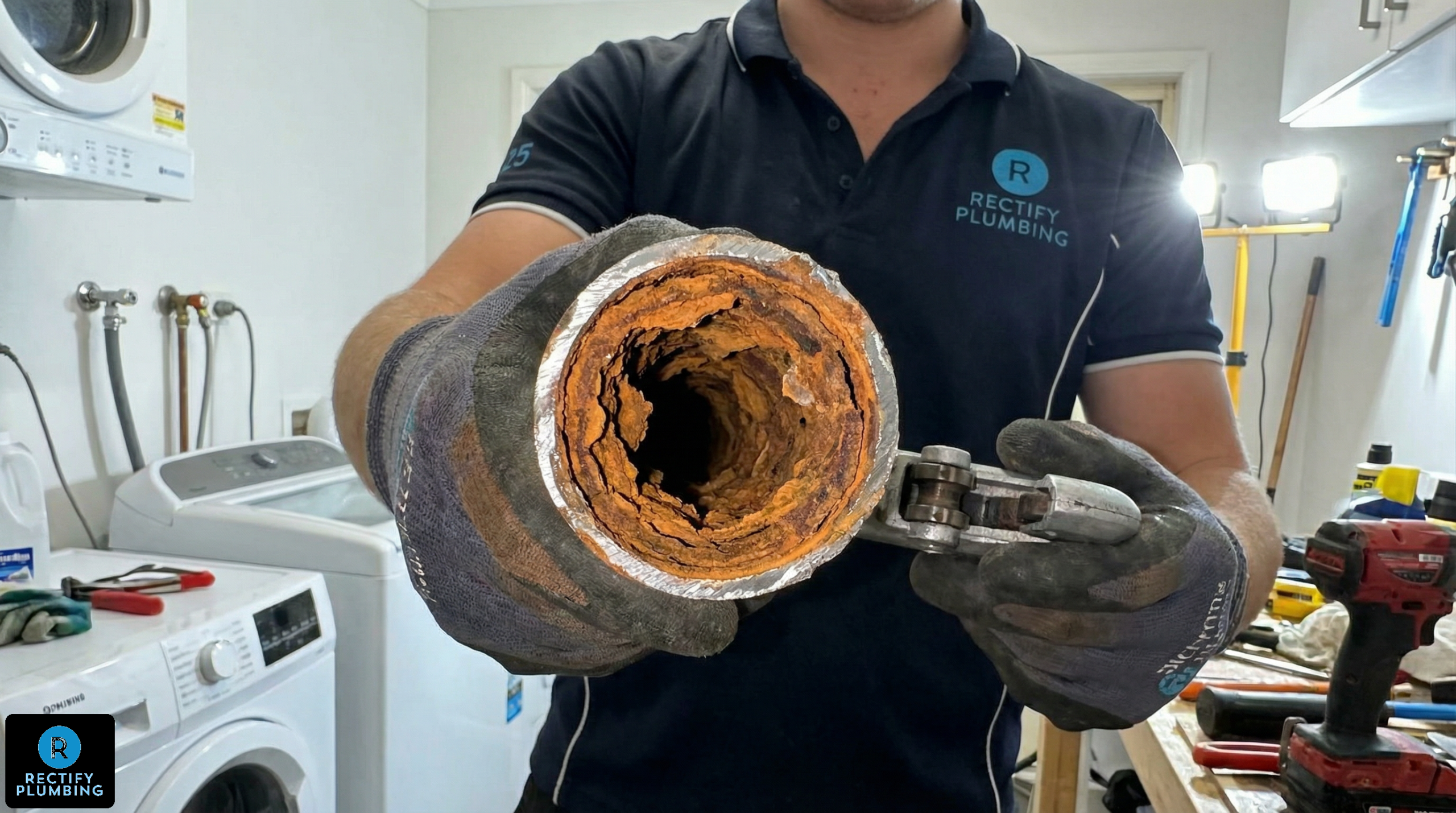
The failure mode is internal corrosion. As the zinc coating depletes over the decades, the steel itself begins to rust. That rust doesn’t just weaken the pipe wall — it builds up as scale on the inside of the pipe, gradually narrowing the internal diameter. A 20mm pipe that was originally clear on the inside can have its effective diameter reduced to 10mm or less by a significant scale buildup. The result is restricted flow, poor pressure, and hot water systems that struggle to perform because they’re not getting enough incoming water flow to heat properly.
The Signs That Galvanised Pipe Work Is the Issue
The most common symptoms we see in Ryde homes with deteriorating galvanised pipe work are low water pressure at taps and showers — particularly noticeable when multiple fixtures are running at the same time — discoloured water from the hot tap (brown or rust-coloured, especially after the system hasn’t been used overnight), and hot water that runs out faster than expected or takes longer to heat up than it used to.
These symptoms are often attributed to the hot water system itself, which gets replaced — and then the same symptoms continue because the restricting pipe work was never addressed. If your Ryde home has been through multiple hot water systems and the performance has never been quite right, the galvanised supply lines are worth inspecting before the next system goes in.
What We Do About It
In most cases the right answer for a Ryde home with significantly deteriorated galvanised pipe work is repiping — replacing the supply lines with copper or CPVC. This is a more involved job than a standard repair, but it’s a permanent fix rather than a series of patches on a system that will keep causing problems. We assess the extent of the deterioration first, give you a clear picture of what’s involved and what it’ll cost, and work through it methodically so the house has working water throughout the process.
If the deterioration is at an early enough stage that the pipe is structurally sound but restricted, cleaning and pressure testing can sometimes extend the service life. We’re honest about which situation you’re in.
The Carlingford Problem: Clay Pipes, Tree Roots and Recurring Blockages
Why Carlingford Has a Specific Drain Problem
Carlingford’s housing stock sits at the junction of the Hills District and the Ryde area — and the drainage infrastructure reflects that. The suburban estates built through the 1970s and early 1980s in Carlingford, North Rocks and the surrounding area used clay drainage pipes, which were standard practice at the time but are now 40 to 50 years old and showing their age.
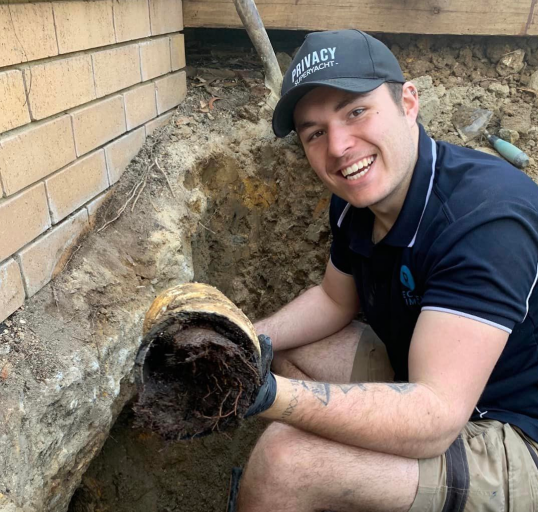
Clay pipes in this part of Sydney are under constant pressure from the established tree canopy that’s developed over the same 40 to 50 years. Liquidambars, jacarandas, camphor laurels and ornamental figs common in Carlingford gardens have root systems that actively seek moisture — and a clay drainage pipe is the most consistent moisture source on a residential block. Once a root finds a crack or a slightly separated joint in a clay pipe, it grows in.
Why the Drain Keeps Blocking After Being Cleared
The most common conversation we have with Carlingford homeowners about blocked drains goes like this: the drain blocked, someone came out and cleared it, it was fine for a few months, then it blocked again. And this cycle has repeated two or three times.
Clearing the blockage removes the root growth that’s accumulated inside the pipe. It doesn’t fix the crack or separated joint that the roots entered through. So within months — sometimes weeks — new root growth finds the same entry point and the blockage returns. The fix is identifying the structural issue with a CCTV drain camera and then addressing it with pipe relining — inserting a resin liner that seals the entry point from inside the pipe without excavation. One job, permanent fix.
Quick tip: If your drain has been cleared more than once in the past 12 months and it keeps coming back, ask the next plumber to put a camera down first rather than just clearing it again. You need to know what’s causing the blockage, not just that it’s there.
The Parramatta Problem: High-Density Living, Older Buildings and Strata Complexity
Parramatta’s Unique Plumbing Environment
Parramatta is different from Ryde and Carlingford in that its plumbing challenges are as much about building type as they are about pipe age. The Parramatta CBD and surrounding areas have a mix of older low-rise buildings — some dating from the 1950s and 1960s — alongside the wave of high-rise residential development that came through in the 2000s and 2010s. Both have their own plumbing characteristics.
Older Parramatta commercial buildings often have original cast-iron or clay drainage systems and copper supply lines that have had decades of use. High-rise residential buildings have PVC drainage and copper supply in better condition, but the shared infrastructure — sewer lines that serve multiple floors, roof drainage that runs through service risers, hot water systems supplying entire buildings — creates complexity around identification, access and responsibility when something goes wrong.
Strata Plumbing — Who’s Responsible for What
This is the question that generates more confusion in Parramatta apartment buildings than almost anything else. The general rule under NSW strata law is that plumbing inside the lot boundary is the lot owner’s responsibility, while common property plumbing — shared drain lines, building supply risers, external connections — is the owners corporation’s responsibility. But in practice, the boundary is often blurry.
A blocked drain in a ground-floor apartment might be caused by a blockage in the shared main drain — making it an owners corporation issue — or by something in the lot’s internal drainage — making it the lot owner’s issue. You often don’t know until a camera goes in. We work with strata managers and building managers across Parramatta regularly and understand how to document findings clearly so the responsibility question gets resolved quickly rather than becoming a dispute.
Seven Hills and Merrylands — High-Volume Suburb Queries, Similar Issues
Seven Hills and Merrylands sit at the western edge of our service corridor and have the highest impression volumes of any individual suburbs in the data — 510 and 410 monthly impressions respectively, with near-zero clicks because there’s no location-specific content about these suburbs on the site currently. Both areas have housing stock primarily from the 1970s and 1980s with the same galvanised pipe and clay drain characteristics as Ryde and Carlingford, plus a higher proportion of older commercial and light industrial properties along the main corridors that create commercial plumbing demand alongside residential.
Services We Provide Across This Corridor
Across Ryde, Carlingford, Parramatta, Seven Hills, Merrylands, Quakers Hill, Blacktown and the surrounding area, our team handles:
Blocked Drain Clearing and Camera Inspection
Camera first on every job — we look before we touch anything. Our CCTV drain inspection service tells us exactly what’s causing the blockage before we decide on the right treatment. For most blockages in this area, jet blasting clears it in a single visit. For structural issues that will cause recurrence, relining is the permanent fix.
Hot Water Repair and Replacement
Hot water failures across this corridor are one of the most common callouts we attend — and the most common time they fail is overnight or early morning. Our hot water repair and installation team carries replacement units on the van. If the system can’t be repaired on the spot, we can usually install a replacement same-visit rather than leaving you without hot water waiting for a return trip.
Burst Pipe Repair
Older galvanised and copper pipe work across Ryde and Parramatta can split without much warning — particularly during pressure fluctuations or a cold snap. Our burst pipe repair service covers the entire western Sydney corridor 24 hours a day. Turn off your main water supply immediately if you suspect a burst — every minute it runs matters for the damage it causes.
Pipe Relining
The permanent solution for recurring blocked drains, cracked clay pipes and root intrusion in the 1970s-80s housing estates across Carlingford, Seven Hills and Merrylands. Our pipe relining service uses no-excavation liner technology — we fix the pipe from inside without disturbing gardens, driveways or concrete slabs.
Gas Fitting
Gas appliance connections, new gas line installation, gas hot water system replacement and gas leak detection across the whole corridor. Our licensed gas fitting team holds licence 488202C — verifiable on the NSW Fair Trading website. All gas work comes with a Certificate of Compliance.
Commercial and Strata Plumbing
Commercial properties, strata buildings, body corporates and building managers across Parramatta, Ryde and the surrounding area. We understand strata documentation requirements and work in a way that resolves responsibility questions rather than creating them. Our full range of commercial and residential plumbing services is available across this corridor on the same rates and response times as residential jobs.
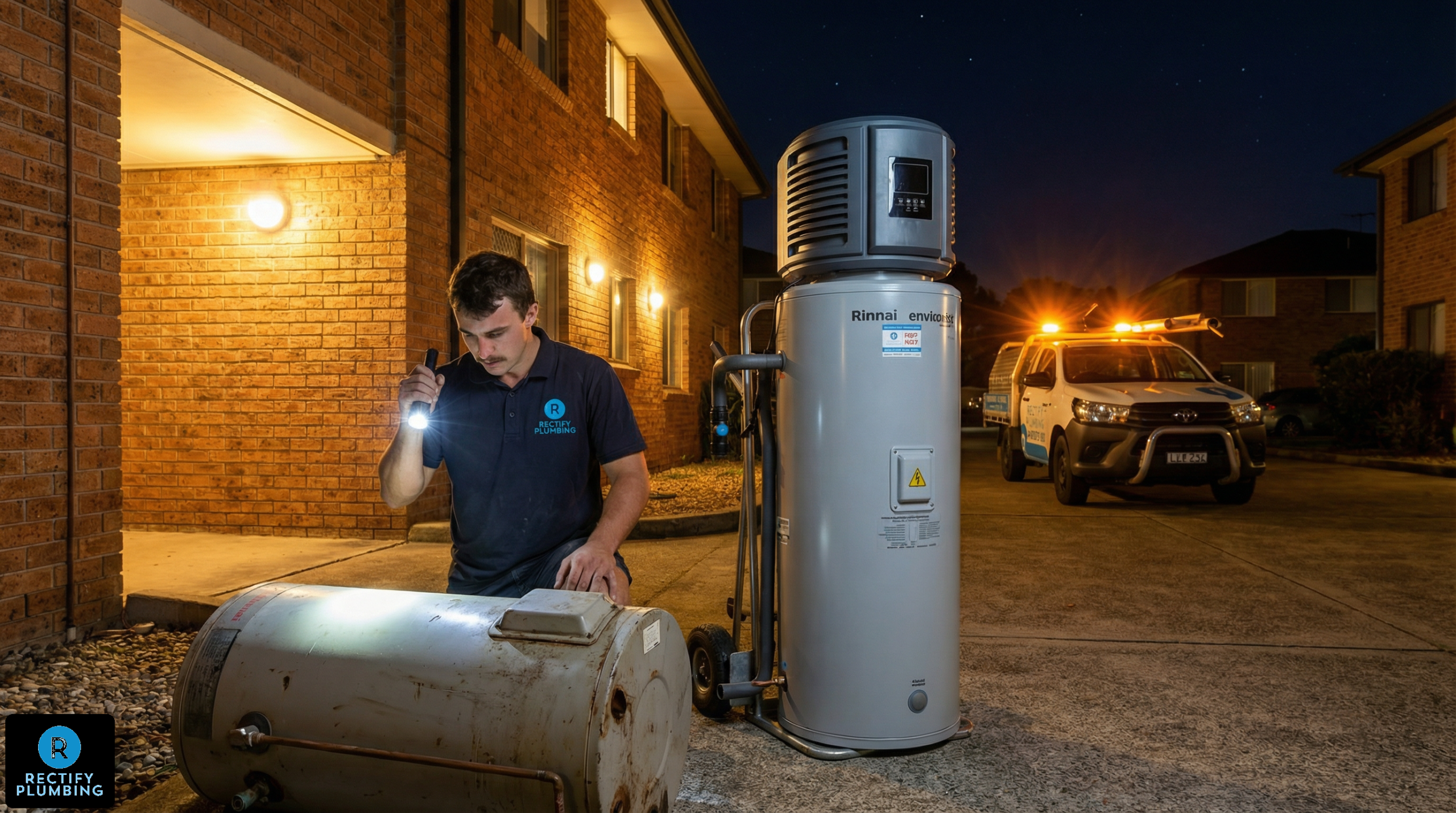
We got a call at 11pm from a family in Ryde — no hot water, two young kids, middle of winter. The gas hot water system had stopped working completely. When we arrived, we found the unit was 14 years old with a failed thermocouple and a heat exchanger that had started to corrode. Repair wasn’t the right call — the unit had maybe another 12 months in it at best. We had a compatible replacement unit on the van. We installed it that night, had the family in hot water before 1am, and issued the compliance certificate before we left. The father mentioned they’d been putting off getting the system serviced for a couple of years because it was working fine. It almost always is, until it isn’t.
Signs Your Home in This Area Needs Attention — Act Before It Becomes Urgent
The most expensive plumbing jobs we do are almost always ones that were showing early signs months or years before they became emergencies. Here’s what to watch for across Ryde, Carlingford and Parramatta:
- Water pressure that’s gradually getting worse — not a sudden drop, just slowly less than it used to be. In a pre-1985 Ryde home this is galvanised pipe corrosion building up.
- Hot water that runs out faster, takes longer to heat, or has never quite performed properly despite system replacements.
- Discoloured water from the hot tap — brown, rust-coloured, or with particles. The cold tap is clear but the hot tap isn’t. Galvanised pipe work.
- A drain that’s slow, then gets cleared, then gets slow again within months. Root intrusion through cracked clay pipe.
- Gurgling sounds from drains you’re not using — a partial blockage somewhere in the shared main line, not just an individual fixture.
- A hot water system over 10 years old that hasn’t been serviced.
When to Call Us
If two or more of those signs apply to your home right now, it’s worth a call before they become urgent. The difference between a maintenance visit and an emergency callout — in cost, in disruption, and in the damage that accumulates while you’re waiting — is significant. We cover this entire corridor and we’re honest about what we find and what it’ll take to fix it.
Ryde, Carlingford and Parramatta — We Know This Area
The plumbing problems across Ryde, Carlingford, Parramatta, Seven Hills and Merrylands aren’t random. They’re the predictable result of specific infrastructure decisions made 40 to 50 years ago, combined with the way the housing stock has aged since. Understanding that means diagnosing what’s actually happening rather than treating symptoms that keep coming back.
Rectify Plumbing services this entire corridor — Ryde, West Ryde, Meadowbank, Carlingford, North Rocks, Parramatta, Seven Hills, Merrylands, Quakers Hill, Blacktown, Epping and surrounding areas — 24 hours a day, seven days a week. We use camera equipment on every blocked drain job, give you a clear fixed price before we start, and we’re honest about what the right fix actually is.
Browse our full range of plumbing and drainage services or call Jake directly on 0400 073 180 any time. For hot water emergencies, burst pipes and gas issues — call now and we’ll get to you.
Request a Quote or Make an Enquiry → rectifyplumbing.com.au
————————————————————————————————————————————————–
Do you cover Parramatta CBD and high-rise apartment buildings?
Yes. We handle both residential and commercial plumbing across the Parramatta corridor including CBD buildings, strata complexes and high-rise apartments. Strata plumbing in particular has its own complexity — shared drainage infrastructure, questions about lot versus common property responsibility, building manager coordination. We work with strata managers and building managers regularly and understand how to document and report work in a way that meets body corporate requirements. Call us and describe the property — we will confirm what we can do and how we work on that type of building.
What is the most common plumbing problem in Ryde homes?
By far the most common issue we see in older Ryde homes is related to original galvanised steel pipe work. Galvanised pipes corrode from the inside over time — the corrosion builds up as scale that narrows the pipe diameter, restricting water flow and pressure. The first signs are low water pressure at taps and showers, discoloured water (often brown or rust-coloured from the hot tap specifically), and hot water systems that struggle to perform because they cannot draw enough flow. If your Ryde home was built before 1985 and you have any of these symptoms, the pipes are worth inspecting.
My Carlingford home keeps getting blocked drains — why does it keep coming back?
Carlingford sits at the edge of the Hills District, and the housing estates built through the 1970s and 1980s in this area used clay drainage pipes that are now 40 to 50 years old. Clay pipes in this part of Sydney are heavily affected by tree root intrusion — particularly from liquidambars, jacarandas and camphor laurels common in Carlingford gardens. If the same drain keeps blocking after being cleared, it almost certainly has a structural issue — a cracked pipe section or a separated joint that roots are entering through. A camera inspection confirms it in under ten minutes, and pipe relining fixes the entry point permanently without excavation.
Can you respond to a hot water emergency in Ryde or Parramatta late at night?
Yes — we offer 24/7 emergency callouts across the Ryde, Carlingford and Parramatta corridor. Hot water emergencies are one of the most common after-hours calls we receive, particularly in winter when a failed system affects the whole household. When you call us late at night, you speak to our team — not a call centre. We will ask a few questions to understand the system type and what’s happened, give you an honest ETA, and in most cases attend same night. We carry common hot water replacement units on the van for same-visit installations where the system cannot be repaired.
Do you do commercial and strata plumbing in the Parramatta and Ryde area?
Yes. Commercial plumbing, strata plumbing, and light industrial plumbing across the Parramatta, Ryde, Carlingford, Seven Hills and Merrylands area is work we take on regularly. For strata buildings specifically, we understand the documentation requirements — scope of works, before-and-after records, compliance certificates where required, and reporting formats that work for body corporate meetings. For commercial buildings, we offer scheduled maintenance agreements as well as reactive callouts. Call us with the details of your property and we will discuss what an ongoing service arrangement looks like.
Recent Articles
 Plumbing Problems in Ryde, Carlingford & the Parramatta Area: A Local Plumber’s GuideApril 1, 2026Ryde, Carlingford and the Parramatta ...
- Gas Plumbing in Sydney: What Needs a Licensed Gas Fitter — and What Happens If You DIYMarch 25, 2026There’s a version of this ...
- Blocked Drains in Chatswood, Mosman & the Lower North Shore: What’s Actually Causing ThemMarch 20, 2026If you live in Mosman, Chatswood, ...
- Emergency Plumber Blacktown, Dural, Belrose & Western Sydney: What to Do When It Goes WrongMarch 15, 2026It’s always the worst moment. ...
Contact Us
Rectify Plumbing offers comprehensive solutions for all of your residential and commercial plumbing needs across Sydney. Contact us today for a fast quote!
Get startedRelated Articles
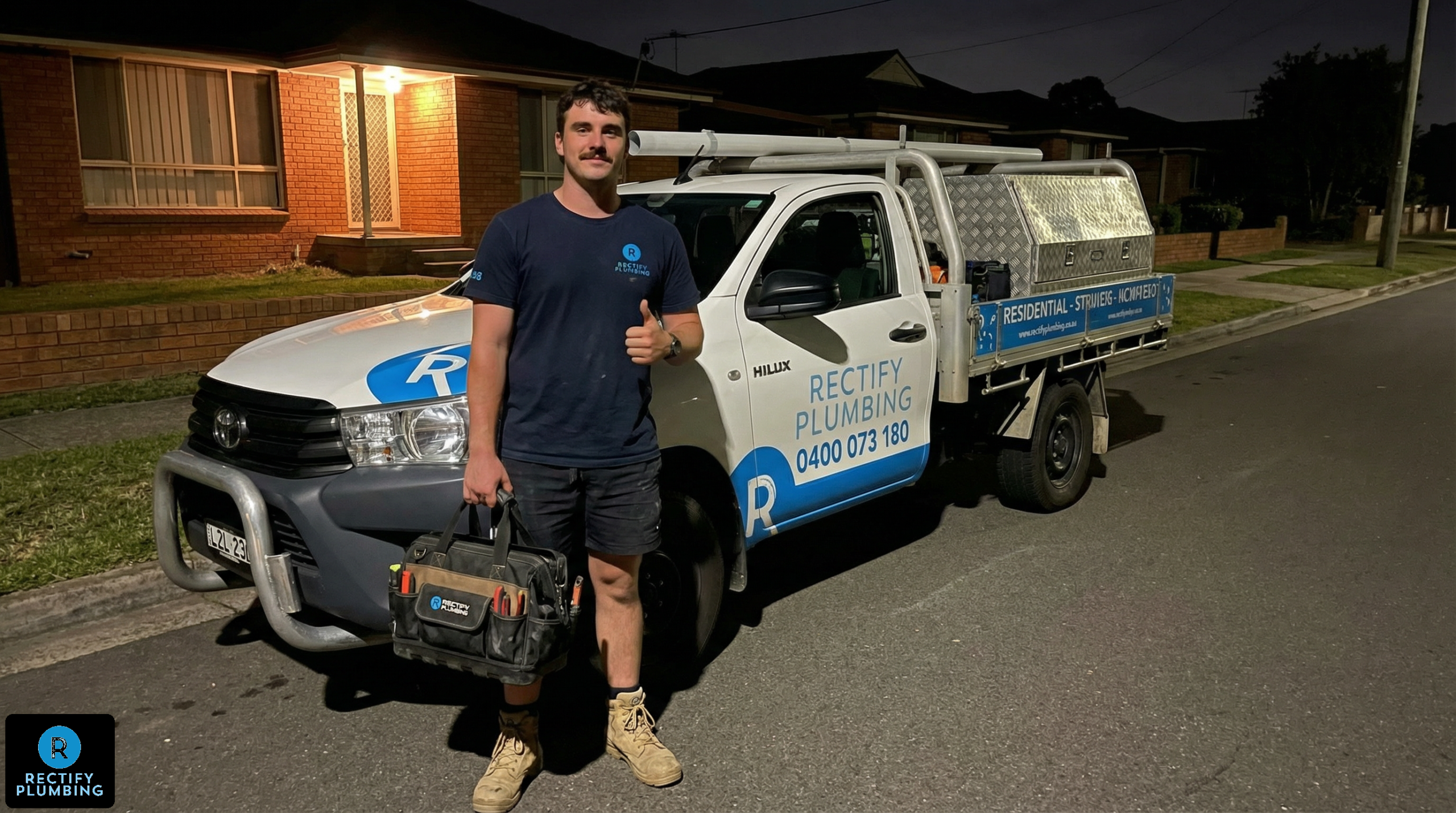
Emergency Plumber Blacktown, Dural, Belrose & Western Sydney: What to Do When It Goes Wrong
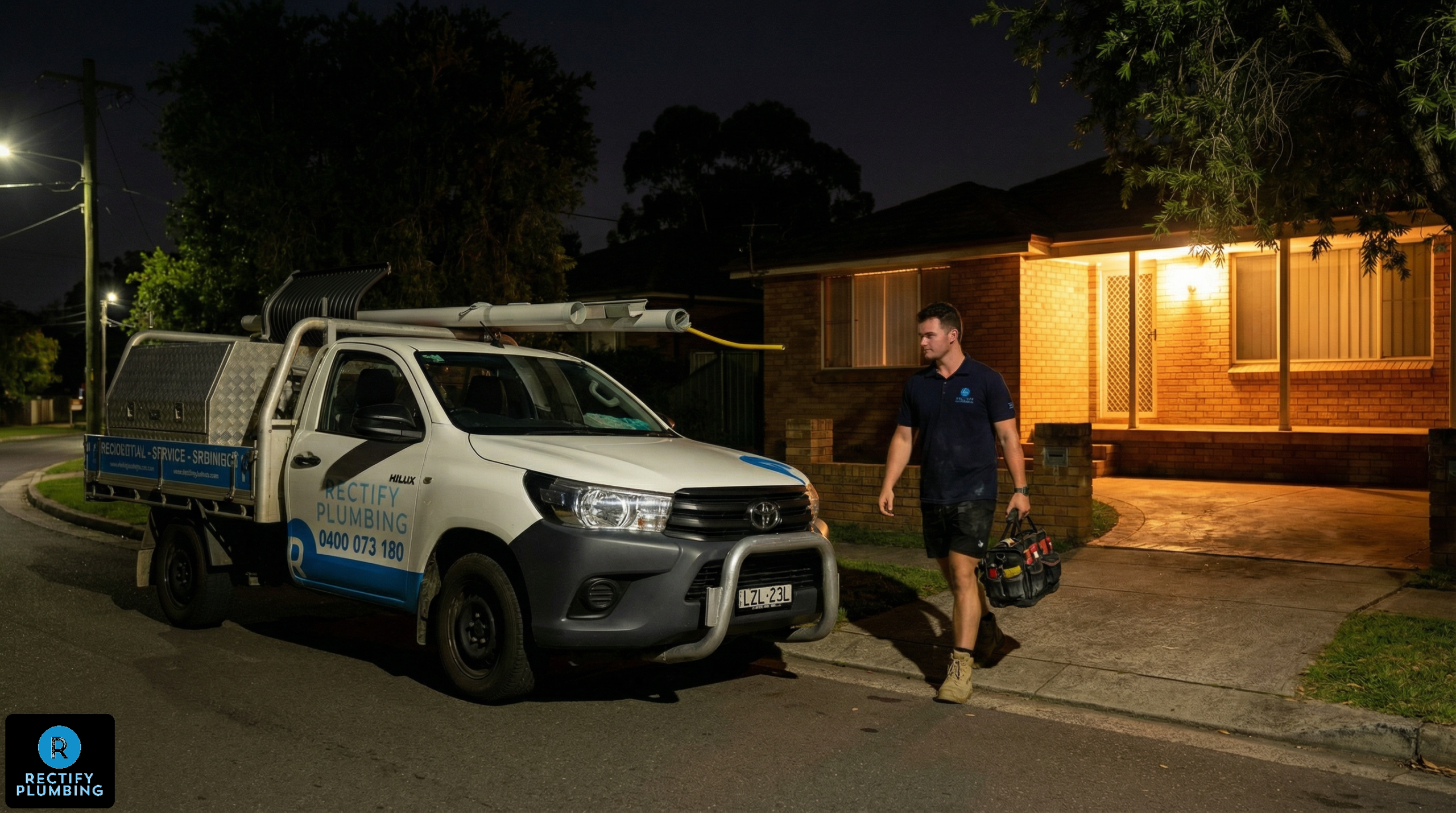 Call Us Right Now — Don't Wait
There are situations where waiting even a few hours is genuinely not an option. A burst or split pipe that's actively leaking water. Sewage backing up inside your home — into your shower, your laundry, your bathroom floor. Water coming through the ceiling or out of a wall cavity. A complete loss of water to the whole property. Any smell of gas anywhere inside or near the building.
These situations cause damage that compounds fast. Water in a ceiling causes structural damage, mould, and electrical risk. Sewage inside the house is a serious health hazard. A gas leak in a closed space is dangerous. If any of these apply, stop reading and call us — 0400 073 180, any hour.
These Can Wait Until Morning
A slow-draining sink that's been getting gradually worse. A tap that drips a bit more than usual. A toilet that runs constantly but still flushes. A hot water system giving you lukewarm water rather than none at all. None of these are good, but none of them are going to destroy your house overnight. Book a morning appointment, get some sleep.
The Grey Area
Hot water that's completely stopped is somewhere in the middle. In summer, a healthy household can usually get through one night without hot water. In winter — or if there are young children or elderly people in the house — that's a same-day job. Call us and we'll help you make the call over the phone. We'd rather talk you through it than have you dealing with something you're not sure how to handle.
Quick tip: If you're not sure whether it's an emergency, call us. We'd rather spend two minutes on the phone telling you it can wait than have you cause more damage managing something overnight on your own.
The Most Common Emergency Jobs We See Across Western Sydney
Burst Pipes — Particularly in Older Blacktown and Merrylands Homes
A lot of Western Sydney's residential housing stock dates from the 1960s and 70s — and with it comes original pipe work that's quietly been ageing ever since. Galvanised steel pipes from that era corrode from the inside over time, the walls get thinner, and eventually — sometimes triggered by a cold snap, a pressure spike, or just time — they split.
The first sign is often not visible water. It's a sudden drop in pressure, a wet patch appearing on a wall or ceiling, or the sound of running water somewhere in the house when everything is turned off. If you notice any of these, turn off your main water shutoff immediately. Our burst pipe service covers the entire Western Sydney corridor 24 hours a day.
Hot Water System Failures
Hot water systems run constantly — heating and storing water around the clock — and they fail without much warning. Most often overnight or first thing in the morning, right when you need them. The most common signs are no hot water at all, a pilot light that won't relight on a gas system, water pooling at the base of the unit, or a pressure relief valve that's dripping continuously.
Some of these are fixable on the spot. Others mean the unit needs replacing. Either way, our hot water repair and installation team carries replacement parts and common units on the van. In most cases we can sort it same visit, even for late-night callouts.
Blocked Drains and Sewage Backup
A drain that's backed up to the point where sewage is coming up inside the house is not a 'wait and see' situation. We've attended homes in Dural and Belrose where homeowners left it a day or two hoping it would clear, and by the time we arrived the bathroom floor was wet and the laundry tub was overflowing. Apart from the mess, sewage inside the house is a genuine health risk — especially if there are children around.
If your toilet won't flush, your shower drain is filling up, or you can smell sewage inside the house, that's a call to our blocked drain team right now. We'll come out and clear it properly, not just push it further down the line.
Gas Smells — Treat These as an Emergency Every Time
A gas smell anywhere inside the house or near your appliances or meter needs to be treated as an emergency immediately — not investigated, not left until morning. Get everyone out of the house. Don't turn any lights or switches on or off. Don't use your phone inside. Open doors as you leave and call from outside. Call Jemena on 131 909 to isolate the supply, then call us. Our licensed gas fitting team can carry out a full inspection before gas is restored.
Call Us Right Now — Don't Wait
There are situations where waiting even a few hours is genuinely not an option. A burst or split pipe that's actively leaking water. Sewage backing up inside your home — into your shower, your laundry, your bathroom floor. Water coming through the ceiling or out of a wall cavity. A complete loss of water to the whole property. Any smell of gas anywhere inside or near the building.
These situations cause damage that compounds fast. Water in a ceiling causes structural damage, mould, and electrical risk. Sewage inside the house is a serious health hazard. A gas leak in a closed space is dangerous. If any of these apply, stop reading and call us — 0400 073 180, any hour.
These Can Wait Until Morning
A slow-draining sink that's been getting gradually worse. A tap that drips a bit more than usual. A toilet that runs constantly but still flushes. A hot water system giving you lukewarm water rather than none at all. None of these are good, but none of them are going to destroy your house overnight. Book a morning appointment, get some sleep.
The Grey Area
Hot water that's completely stopped is somewhere in the middle. In summer, a healthy household can usually get through one night without hot water. In winter — or if there are young children or elderly people in the house — that's a same-day job. Call us and we'll help you make the call over the phone. We'd rather talk you through it than have you dealing with something you're not sure how to handle.
Quick tip: If you're not sure whether it's an emergency, call us. We'd rather spend two minutes on the phone telling you it can wait than have you cause more damage managing something overnight on your own.
The Most Common Emergency Jobs We See Across Western Sydney
Burst Pipes — Particularly in Older Blacktown and Merrylands Homes
A lot of Western Sydney's residential housing stock dates from the 1960s and 70s — and with it comes original pipe work that's quietly been ageing ever since. Galvanised steel pipes from that era corrode from the inside over time, the walls get thinner, and eventually — sometimes triggered by a cold snap, a pressure spike, or just time — they split.
The first sign is often not visible water. It's a sudden drop in pressure, a wet patch appearing on a wall or ceiling, or the sound of running water somewhere in the house when everything is turned off. If you notice any of these, turn off your main water shutoff immediately. Our burst pipe service covers the entire Western Sydney corridor 24 hours a day.
Hot Water System Failures
Hot water systems run constantly — heating and storing water around the clock — and they fail without much warning. Most often overnight or first thing in the morning, right when you need them. The most common signs are no hot water at all, a pilot light that won't relight on a gas system, water pooling at the base of the unit, or a pressure relief valve that's dripping continuously.
Some of these are fixable on the spot. Others mean the unit needs replacing. Either way, our hot water repair and installation team carries replacement parts and common units on the van. In most cases we can sort it same visit, even for late-night callouts.
Blocked Drains and Sewage Backup
A drain that's backed up to the point where sewage is coming up inside the house is not a 'wait and see' situation. We've attended homes in Dural and Belrose where homeowners left it a day or two hoping it would clear, and by the time we arrived the bathroom floor was wet and the laundry tub was overflowing. Apart from the mess, sewage inside the house is a genuine health risk — especially if there are children around.
If your toilet won't flush, your shower drain is filling up, or you can smell sewage inside the house, that's a call to our blocked drain team right now. We'll come out and clear it properly, not just push it further down the line.
Gas Smells — Treat These as an Emergency Every Time
A gas smell anywhere inside the house or near your appliances or meter needs to be treated as an emergency immediately — not investigated, not left until morning. Get everyone out of the house. Don't turn any lights or switches on or off. Don't use your phone inside. Open doors as you leave and call from outside. Call Jemena on 131 909 to isolate the supply, then call us. Our licensed gas fitting team can carry out a full inspection before gas is restored.
We got a call from a family in Blacktown on a Friday night — water was coming through the kitchen ceiling, directly above the hot water cupboard on the floor above. They'd noticed a damp patch on the ceiling a week earlier and assumed it was from a recent rain. When we arrived, we found a copper joint on the hot water supply line had been slowly failing for weeks. The ceiling had been absorbing the water and the plasterboard was close to giving way entirely. We isolated the leak, replaced the joint, and the family had water restored before midnight. If they'd left it until Saturday morning, they'd have had a collapsed section of ceiling to deal with on top of everything else. That week-old damp patch was the sign.What to Do in the First Few Minutes — Before We Arrive
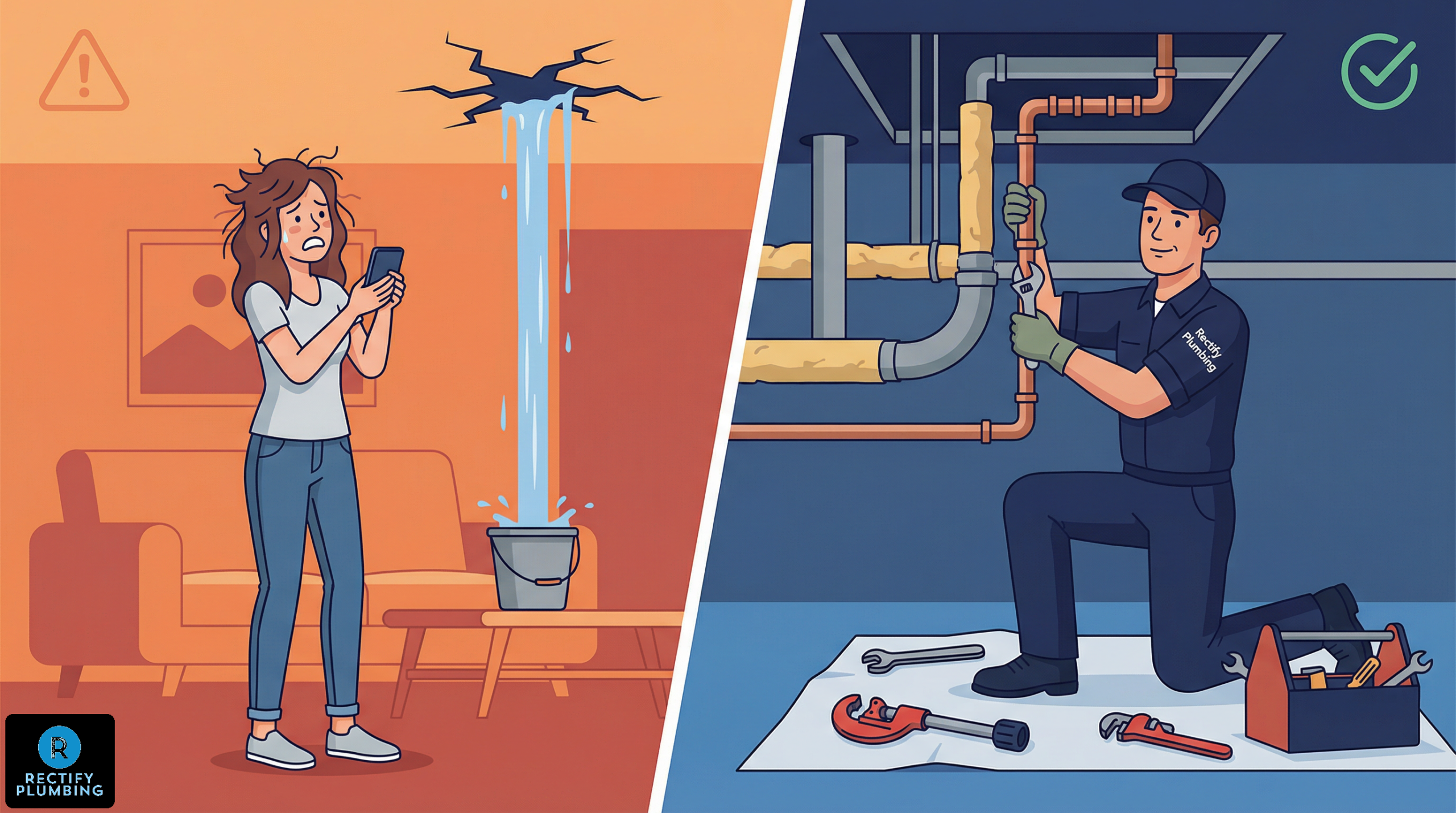 The actions you take in the first five minutes of a plumbing emergency can meaningfully affect how much damage you end up with. Here's what we tell every caller:
Turn Off the Water Supply
If water is going somewhere it shouldn't be, your first move is the main water shutoff. It's usually at the front of the property near the meter — sometimes in a box in the footpath, sometimes along the side of the house. Turn it off. Even if you're not completely sure what's happening, stopping the flow of water is almost always the right call while you wait for us.
Know where yours is before you need it. Walk around the property this weekend if you're not sure. Five minutes now saves a lot of damage later.
For Gas — Get Out First, Then Call
If you can smell gas: get everyone out including pets, leave doors open as you go to ventilate, do not use any electrical switches or your phone inside the building. Call from outside. Gas is not something you investigate yourself. Our gas team handles leak detection and repair with proper detection equipment — not guesswork.
For Sewage Backup — Stop Using Water
If sewage is backing up through a floor drain or toilet, stop using all water fixtures in the house. Every flush, every tap, every shower sends more through the same blocked line. Turn off the water supply if you can and wait for us.
Take a Quick Video if It's Safe
Thirty seconds of video showing what's happening is genuinely useful. It helps us bring exactly the right equipment on the first visit rather than having to go back to the van. Just send it through when you call.
Quick tip: Once the water is off, move valuables and electrical items away from the affected area. Water damage to furniture, appliances and flooring adds up very fast.
Why Local Response Time Actually Matters
The actions you take in the first five minutes of a plumbing emergency can meaningfully affect how much damage you end up with. Here's what we tell every caller:
Turn Off the Water Supply
If water is going somewhere it shouldn't be, your first move is the main water shutoff. It's usually at the front of the property near the meter — sometimes in a box in the footpath, sometimes along the side of the house. Turn it off. Even if you're not completely sure what's happening, stopping the flow of water is almost always the right call while you wait for us.
Know where yours is before you need it. Walk around the property this weekend if you're not sure. Five minutes now saves a lot of damage later.
For Gas — Get Out First, Then Call
If you can smell gas: get everyone out including pets, leave doors open as you go to ventilate, do not use any electrical switches or your phone inside the building. Call from outside. Gas is not something you investigate yourself. Our gas team handles leak detection and repair with proper detection equipment — not guesswork.
For Sewage Backup — Stop Using Water
If sewage is backing up through a floor drain or toilet, stop using all water fixtures in the house. Every flush, every tap, every shower sends more through the same blocked line. Turn off the water supply if you can and wait for us.
Take a Quick Video if It's Safe
Thirty seconds of video showing what's happening is genuinely useful. It helps us bring exactly the right equipment on the first visit rather than having to go back to the van. Just send it through when you call.
Quick tip: Once the water is off, move valuables and electrical items away from the affected area. Water damage to furniture, appliances and flooring adds up very fast.
Why Local Response Time Actually Matters
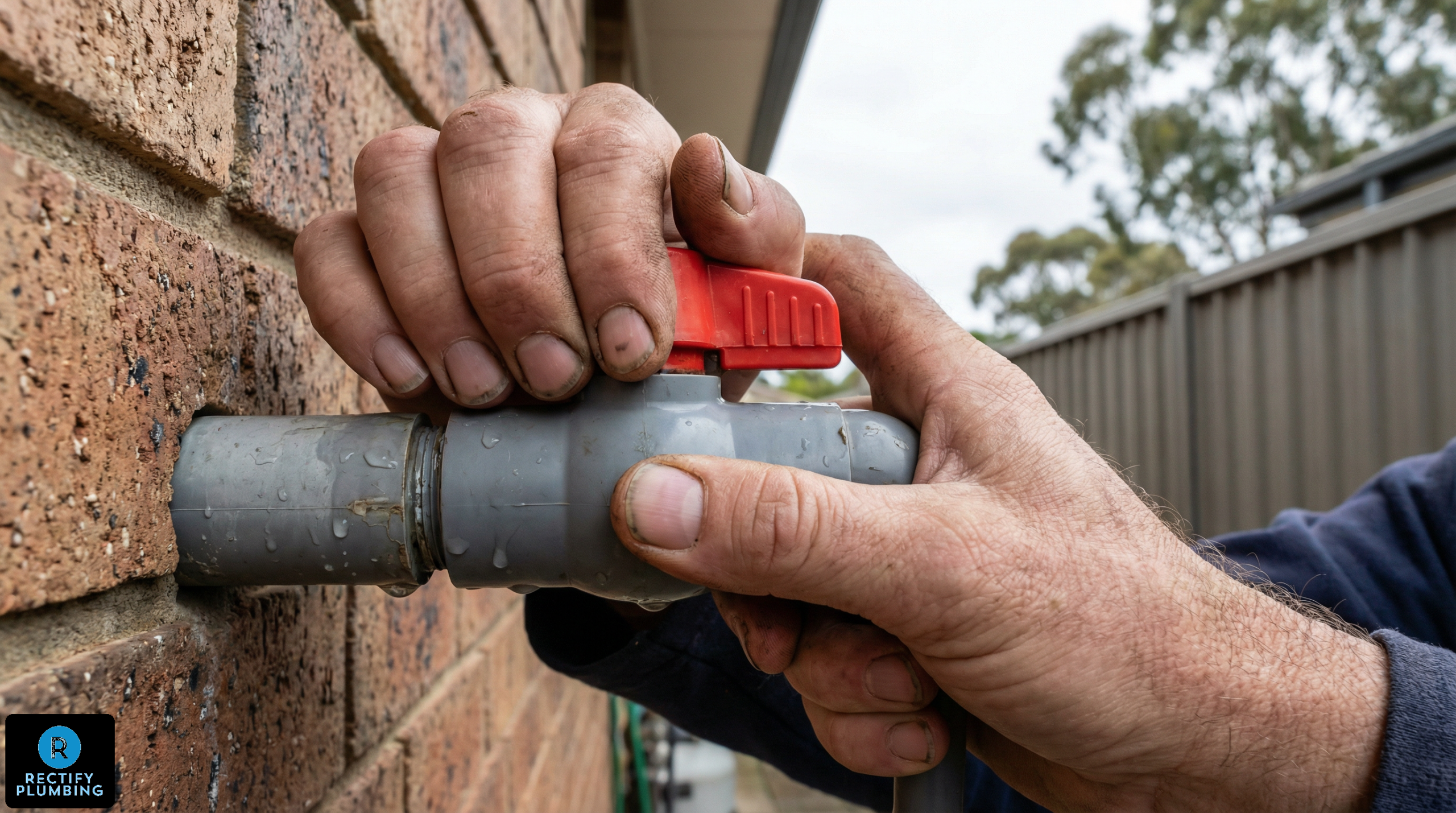 Every Extra Hour Is More Damage
When water is actively going somewhere it shouldn't, every extra fifteen minutes matters. A burst pipe that runs for three hours while you wait for a plumber from the other side of Sydney produces significantly more damage than one that's isolated in forty-five minutes. For sewage backup, the longer it sits, the more contamination spreads.
A local team who knows the Western Sydney road network and services Blacktown, Dural, Belrose and Castle Hill regularly will get to you faster than a national dispatch service sending someone from wherever happens to be available.
We Know the Housing Stock in This Area
Knowing Western Sydney means knowing what kinds of problems are common in different pockets of the area. Older Blacktown and Merrylands homes with galvanised steel pipe work. Larger block properties in Dural and Belrose with long runs of older drainage and established tree canopy over sewer lines. High-density apartment buildings in the Parramatta corridor with shared sewer infrastructure. These aren't things you learn from a database — they come from doing the work here regularly.
You Talk to Our Team — Not a Call Centre
When you call Rectify Plumbing, you speak to our team. Someone who can ask the right questions, give you an accurate ETA, and tell you honestly whether what you're describing needs us there in the next hour or whether it can wait until 7am. We're not routing you through a national booking system that dispatches whoever is nearest on a map. View our full range of plumbing services if you want to understand what we cover across this area.
What We Actually Do When We Arrive
Assess First, Then Fix
The first thing we do is understand the full scope of what's happened — not just the visible problem but what caused it and whether there's anything else affected. A burst pipe in a wall might have been leaking slowly before it gave way completely. A drain backup might be a symptom of a root intrusion that's been building for months. We use a CCTV drain camera where relevant to see exactly what we're dealing with before we start work.
Fix It Properly — Not Temporarily
Emergency callouts are stressful and expensive enough without having to call a plumber back two weeks later because the repair didn't hold. We fix the actual problem on the first visit wherever we can. If a section of pipe needs replacing, we replace it. If a hot water system has failed and repair isn't the right call, we'll tell you that upfront, give you a fixed price for replacement, and in most cases we can do it same day.
Leave You With a Working Property
Before we leave, we make sure the affected system is working properly — water restored, gas safe, drain clear. We explain what happened, what we did, and what to watch for. If there's anything that needs a follow-up visit — waterproofing assessment after ceiling damage, for example — we'll tell you that honestly rather than sign off and disappear. Booking a preventative maintenance check after a significant emergency is also worth considering, particularly for older properties.
Western Sydney — We're Here When It Goes Wrong
Plumbing emergencies are stressful enough without a long wait, an uncertain ETA, or a plumber who doesn't know the area. That's not the experience we want you to have.
Rectify Plumbing covers Blacktown, Dural, Belrose, Castle Hill, Parramatta, Seven Hills, Merrylands, Quakers Hill and the wider Western Sydney corridor — 24 hours a day, seven days a week. When you call, you'll speak to someone who can help, not a booking system. We'll get to you as fast as we can, fix the actual problem, and leave you with a property that works.
Call Jake directly on 0400 073 180 — any hour. Or take a look at our full range of plumbing and emergency services for more on what we cover.
Request a Quote or Make an Enquiry → rectifyplumbing.com.au
------------------------------------------------------------------------------------------------------------
[service_faqs]
Every Extra Hour Is More Damage
When water is actively going somewhere it shouldn't, every extra fifteen minutes matters. A burst pipe that runs for three hours while you wait for a plumber from the other side of Sydney produces significantly more damage than one that's isolated in forty-five minutes. For sewage backup, the longer it sits, the more contamination spreads.
A local team who knows the Western Sydney road network and services Blacktown, Dural, Belrose and Castle Hill regularly will get to you faster than a national dispatch service sending someone from wherever happens to be available.
We Know the Housing Stock in This Area
Knowing Western Sydney means knowing what kinds of problems are common in different pockets of the area. Older Blacktown and Merrylands homes with galvanised steel pipe work. Larger block properties in Dural and Belrose with long runs of older drainage and established tree canopy over sewer lines. High-density apartment buildings in the Parramatta corridor with shared sewer infrastructure. These aren't things you learn from a database — they come from doing the work here regularly.
You Talk to Our Team — Not a Call Centre
When you call Rectify Plumbing, you speak to our team. Someone who can ask the right questions, give you an accurate ETA, and tell you honestly whether what you're describing needs us there in the next hour or whether it can wait until 7am. We're not routing you through a national booking system that dispatches whoever is nearest on a map. View our full range of plumbing services if you want to understand what we cover across this area.
What We Actually Do When We Arrive
Assess First, Then Fix
The first thing we do is understand the full scope of what's happened — not just the visible problem but what caused it and whether there's anything else affected. A burst pipe in a wall might have been leaking slowly before it gave way completely. A drain backup might be a symptom of a root intrusion that's been building for months. We use a CCTV drain camera where relevant to see exactly what we're dealing with before we start work.
Fix It Properly — Not Temporarily
Emergency callouts are stressful and expensive enough without having to call a plumber back two weeks later because the repair didn't hold. We fix the actual problem on the first visit wherever we can. If a section of pipe needs replacing, we replace it. If a hot water system has failed and repair isn't the right call, we'll tell you that upfront, give you a fixed price for replacement, and in most cases we can do it same day.
Leave You With a Working Property
Before we leave, we make sure the affected system is working properly — water restored, gas safe, drain clear. We explain what happened, what we did, and what to watch for. If there's anything that needs a follow-up visit — waterproofing assessment after ceiling damage, for example — we'll tell you that honestly rather than sign off and disappear. Booking a preventative maintenance check after a significant emergency is also worth considering, particularly for older properties.
Western Sydney — We're Here When It Goes Wrong
Plumbing emergencies are stressful enough without a long wait, an uncertain ETA, or a plumber who doesn't know the area. That's not the experience we want you to have.
Rectify Plumbing covers Blacktown, Dural, Belrose, Castle Hill, Parramatta, Seven Hills, Merrylands, Quakers Hill and the wider Western Sydney corridor — 24 hours a day, seven days a week. When you call, you'll speak to someone who can help, not a booking system. We'll get to you as fast as we can, fix the actual problem, and leave you with a property that works.
Call Jake directly on 0400 073 180 — any hour. Or take a look at our full range of plumbing and emergency services for more on what we cover.
Request a Quote or Make an Enquiry → rectifyplumbing.com.au
------------------------------------------------------------------------------------------------------------
[service_faqs]
Emergency Plumber Epping: What to Do When a Plumbing Crisis Hits at the Worst Time
What Actually Counts as a Plumbing Emergency?
This is genuinely one of the most common questions we get — usually from someone who's already been staring at a problem for an hour trying to decide whether to call. So let's be straight about it.
These Are Emergencies — Call Us NowA burst or split pipe, especially one that's actively leaking water. Water coming through your ceiling or walls. Sewage backing up into your bathroom, shower or laundry. A complete loss of water to the whole house. A gas smell anywhere near your appliances or hot water system.
These situations can cause serious structural damage, health hazards, or safety risks if they're left for even a few hours. Don't wait until morning. Don't Google it for 45 minutes first. Call a plumber.
These Can Usually Wait Until the Next MorningA slow-draining sink that's been gradually getting worse. A dripping tap that's dripping a bit more than usual. A toilet that's running but still flushing. A hot water system that's giving you lukewarm water rather than none at all.
None of these are great, but none of them will destroy your house overnight. Book a morning appointment and get some sleep.
The Grey Area — Use Your JudgementA hot water system that's stopped working entirely sits somewhere in the middle. If it's the middle of summer and you've got a healthy household, you can probably get through one night without hot water. If it's winter, or there are young kids or elderly people in the house, that's a same-day job. Call us and we'll help you work it out over the phone.
Quick tip: If you're not sure whether it's an emergency, call us anyway. We'd rather talk you through it and tell you it can wait than have you cause more damage trying to manage it yourself overnight.
The Most Common Plumbing Emergencies We See in Epping & the Hills District
Burst Pipes — Especially in Older Epping HomesEpping has a lot of older residential properties, and with older homes come older pipes. Copper and galvanised steel pipes that were installed in the 1970s and 80s are starting to reach the end of their natural lifespan. They corrode from the inside over time, the walls get thinner, and eventually — sometimes triggered by a cold snap or a sudden pressure change — they split.
When a pipe bursts inside a wall or under the floor, you might not see the water straight away. What you notice first is usually a sudden drop in water pressure, a wet patch appearing on the ceiling or wall, or the sound of running water somewhere in the house when everything is turned off. If you notice any of these, turn off your water at the main immediately and call us. Our burst pipe service covers Epping and surrounding suburbs 24 hours a day.
Hot Water System Failures OvernightYour hot water system works harder than most people realise — it's heating and storing water around the clock, every day of the year. Like any appliance, they fail eventually. And for some reason, they seem to fail most often overnight or early in the morning, right when you're about to jump in the shower.
The most common signs are waking up to no hot water at all, a pilot light that's gone out on a gas system and won't relight, water pooling around the base of the unit, or a relief valve that's dripping constantly. Some of these are fixable on the spot; others mean the unit needs replacing. Either way, our hot water repair and installation team can usually get you sorted same day — even for emergency callouts.
Drain Backups and Sewage IssuesA completely blocked drain that causes sewage to back up inside your home is not a 'wait and see' situation. We've been called to Epping homes where homeowners waited a day or two hoping it would clear, and by the time we arrived there was sewage sitting in the shower, the laundry tub was overflowing, and the whole bathroom floor was wet.
Apart from being deeply unpleasant, sewage backup creates genuine health risks — especially if there are kids in the house. If your toilet won't flush, your shower drain is filling up instead of draining, or you can smell sewage inside the house, call us. Our blocked drain team will come out and clear it properly, not just push it further down the line.
We had a call from a family in Epping on a Saturday night — their main bathroom was completely out of action, toilet backing up and shower filling with water. They'd been trying to sort it themselves for most of the afternoon. When we arrived, we found a major root intrusion about two metres into the main drain line. We cleared it with a jet blast that night and they were back up and running before midnight. The husband mentioned they'd noticed the toilet flushing slowly for a couple of months before it fully blocked. That one's worth remembering — a slow flush is your drain telling you something is building up.What to Do in the First Few Minutes — Before We Arrive
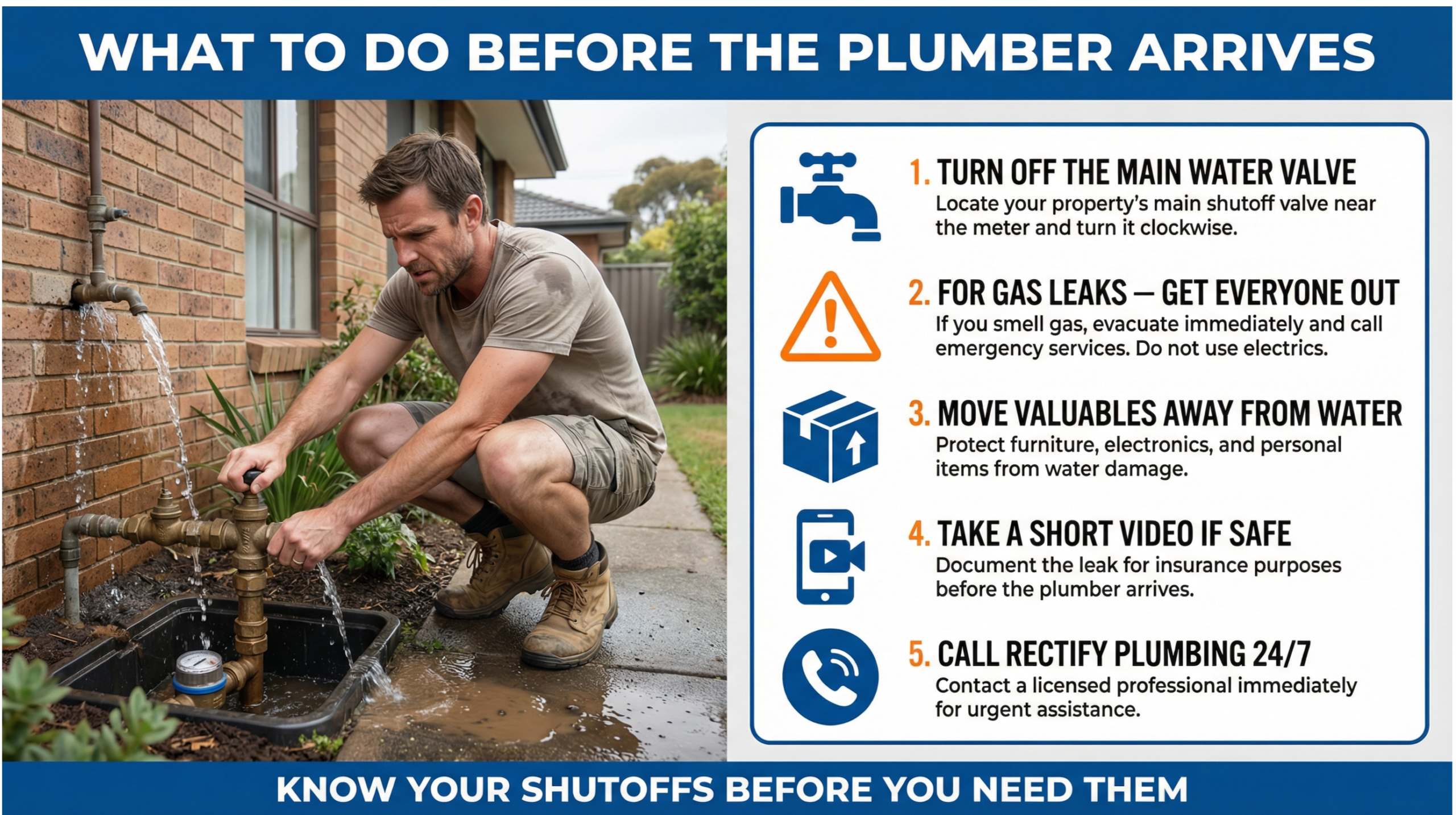
This is really important. The actions you take in the first five to ten minutes of a plumbing emergency can make a big difference to how much damage you end up with. Here's what we tell every caller:
Turn Off the Water SupplyIf water is actively going somewhere it shouldn't be — leaking from a pipe, overflowing from a fixture, coming through a ceiling — the first thing you do is shut off the water. Every home has a main water shutoff valve, usually near the water meter at the front of the property or under the kitchen sink.
Turn it off. Even if you're not sure exactly what's happening. Stopping the flow of water is almost always the right call while you wait for help to arrive.
For Gas Issues — Don't Touch AnythingIf you can smell gas, do not turn any lights on or off, do not use your phone inside the house, and do not try to find the leak yourself. Get everyone out of the house, leave the doors open as you go, and call from outside. Gas leaks are not a DIY situation under any circumstances.
Know Where Your Shutoffs Are Before You Need ThemHonestly, the best time to work this out is right now, not at midnight when something goes wrong. Walk around your house and find your main water shutoff, your hot water system isolation valve, and your gas meter shutoff if you're on gas. Five minutes now could save you a lot of damage later.
Take a Quick Video If It's Safe to Do SoIf the situation is stable enough, a 30-second video of what's happening is genuinely useful for us. It helps us bring the right equipment on the first visit rather than having to make a second trip. Just send it through when you call.
Quick tip: Once the water is off, move anything valuable or electrical away from the affected area. Water damage to furniture and appliances adds up fast.
Why Local Matters for Emergency Plumbing in Epping
Response Time Is EverythingWhen water is actively going somewhere it shouldn't be, every extra 15 minutes matters. A local plumber who knows Epping and the surrounding suburbs can get to you significantly faster than a centralised dispatch service that's sending someone from 40 minutes away.
We're not a national call centre. When you call Rectify Plumbing, you're talking to our team — people who service Epping, Carlingford, Pennant Hills, Thornleigh and the Hills District regularly. We know the roads, we know the area, and we can tell you honestly how long we'll be.
Experience With the Housing Stock in This AreaKnowing the area also means knowing what kinds of problems are common in the housing stock here. Older Epping properties tend to have copper pipe systems that are starting to age out. A lot of homes in this area have their hot water systems in tight roof spaces or poorly ventilated areas. These are the kinds of things that a plumber who's worked the area for years will factor in before they even walk through your door.
No Surprises on the BillEmergency callouts are more expensive than a standard booking — we're not going to pretend otherwise. But we're transparent about it. We tell you the callout fee before we come out, we explain what we find and what it'll cost to fix before we start work, and there are no surprise charges added at the end. We've heard too many stories from new customers who called a big national service and got a shock when the invoice arrived. That's not how we operate.
Hot Water Emergencies in Epping — A Special Mention
Hot water system failures make up a big chunk of our emergency callouts in this area — enough that they deserve their own section.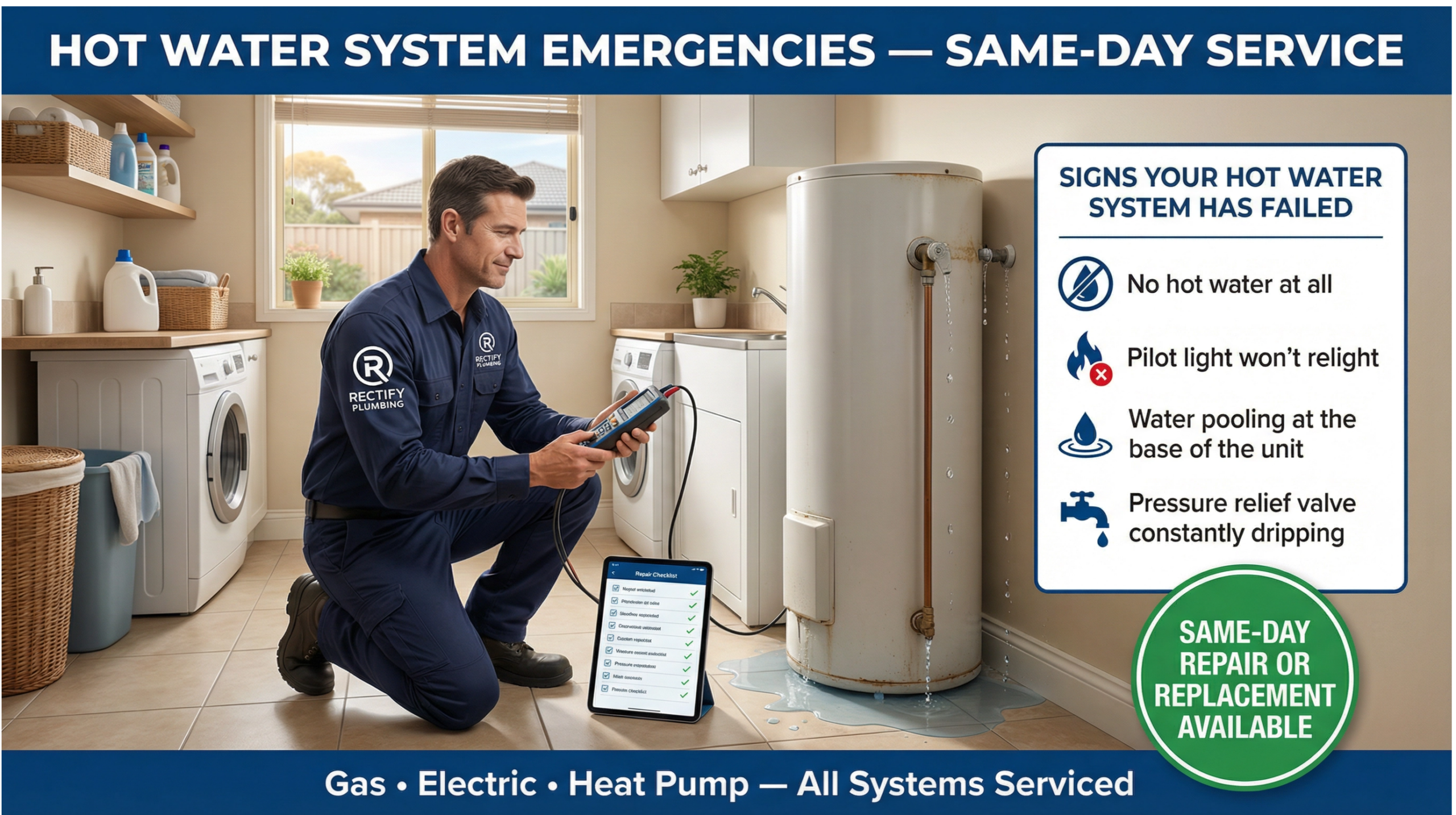
Before you call us, it's worth doing two quick checks. First, if you're on gas, check that the pilot light is still lit. Some systems have a reset button you can press if the pilot has gone out. Second, check the circuit breaker for your hot water system — if it has tripped, resetting it might restore power to the unit.
If neither of those things fix it, or if there's water leaking from the unit, the pressure relief valve is constantly dripping, or the water coming out is discoloured, that's a job for us. Our hot water service team carries common replacement parts and units on the van, so in many cases we can have you back in hot water on the same visit.
Repair vs Replace — We'll Be Honest With YouIf your hot water system is under 8 to 10 years old and the issue is a component failure — a thermostat, an element, a valve — repair is usually the right call. If it's older than that and we're finding multiple issues, or the tank itself has been leaking, we'll tell you honestly that a replacement is the better investment. There's no point patching a unit that's going to need another repair in six months.
We stock and install a range of hot water systems including gas, electric and heat pump units. If a replacement is the right call, we can usually do it same day.
Epping Homeowners — We're Here When It Goes WrongPlumbing emergencies are stressful enough without having to chase down a plumber who doesn't know the area, takes an hour to arrive, and then isn't sure what they're dealing with. That's not the experience we want you to have.
Rectify Plumbing has been looking after homes across Epping, Carlingford, Thornleigh, Pennant Hills and the wider Hills District for years. Our team is available 24 hours a day, seven days a week — and when you call, you'll speak to someone who can actually help you, not a booking system.
Take a look at our full range of plumbing services or get in touch now. We'll ask you a few quick questions, let you know how long we'll be, and get your home sorted.
Need a gas plumber in Epping? Experiencing hot water system issues? Rectify Plumbing handles all your plumbing needs across Epping, Carlingford, Thornleigh, Pennant Hills and the Hills District. Request a Quote or Make an Enquiry -> rectifyplumbing.com.au [service_faqs]
A Guide To Common Plumbing Problems And Solutions