
Your Best Platform For Hot Water Repairs & Installation Around St Ives
You can always count on Rectify Plumbing for hot water repair and hot water installation services around St Ives and its surrounding areas. We understand the inconvenience that a malfunctioning hot water system can cause to your daily routine, and that's why we are keen to provide fast and efficient solutions to ensure your routine returns to normal quickly.
With the most up-to-date tools and equipment, our team of qualified and experienced plumbers can identify and fix any hot water system issue. We work with all major brands and models of hot water systems, and we can handle any repair or installation job, whether it's for residential or commercial properties.
Same-Day Plumbing Services in Hornsby.
Get Your Plumbing Issues Resolved Today with Our Same-Day Service in Hornsby!
Emergency Plumbing Help Available 24/7.
Don't Let a Plumbing Emergency Wreak Havoc Contact Us 24/7 for immediate Help!
Quality Workmanship Guaranteed on All Jobs.
Experience the Best in Plumbing Service - Our Workmanship is Guaranteed on Every Job!
Affordable Pricing with No Hidden Fees.
Say Goodbye to Surprises and Hidden Fees. Affordable Plumbing Solutions!
rectify
our services





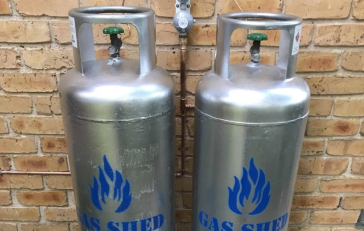

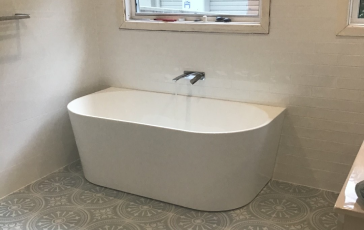

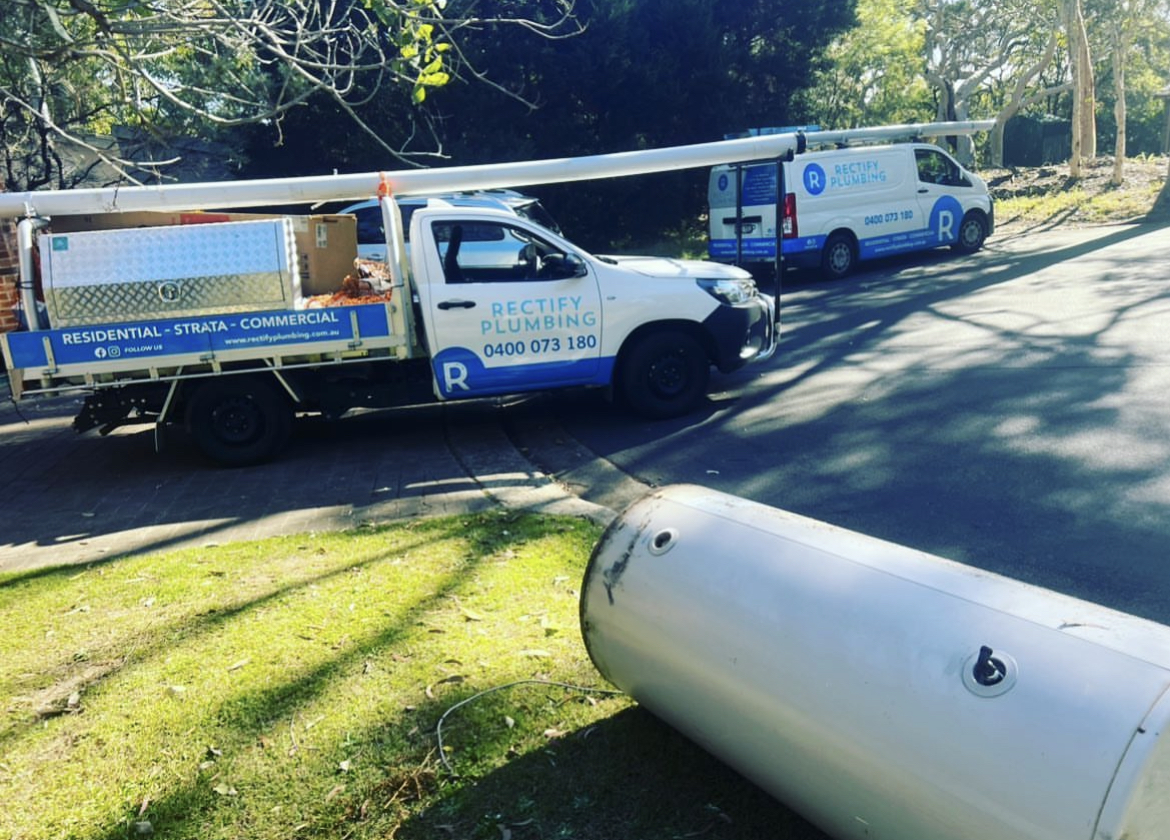

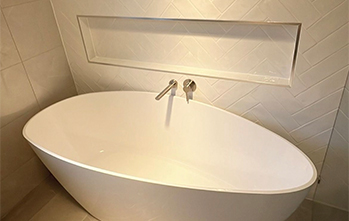





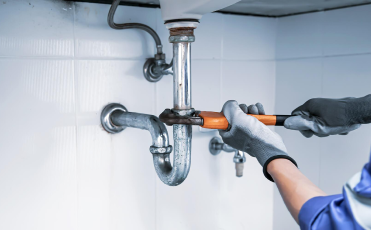

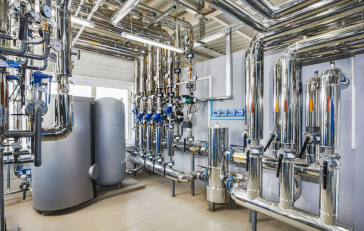

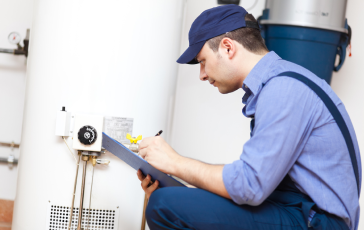
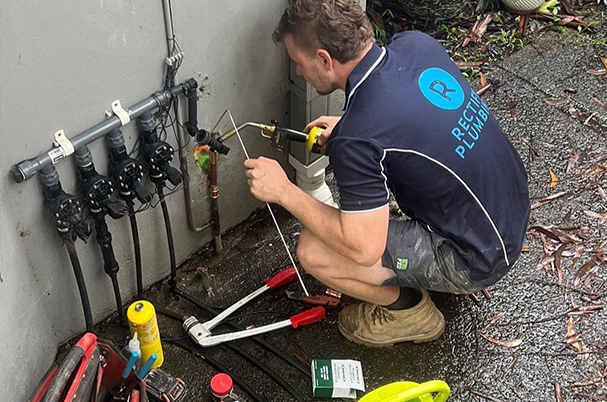
Get Your Plumbing Fixed In 4 Easy Steps.

Enquire Contact Us For A Free Quote

Get Expert Advice Consultation With Our Plumbing Specialists

Hassle Free Service Seamless Execution Of The Job

Job Done- Follow Up And Quality Assurance
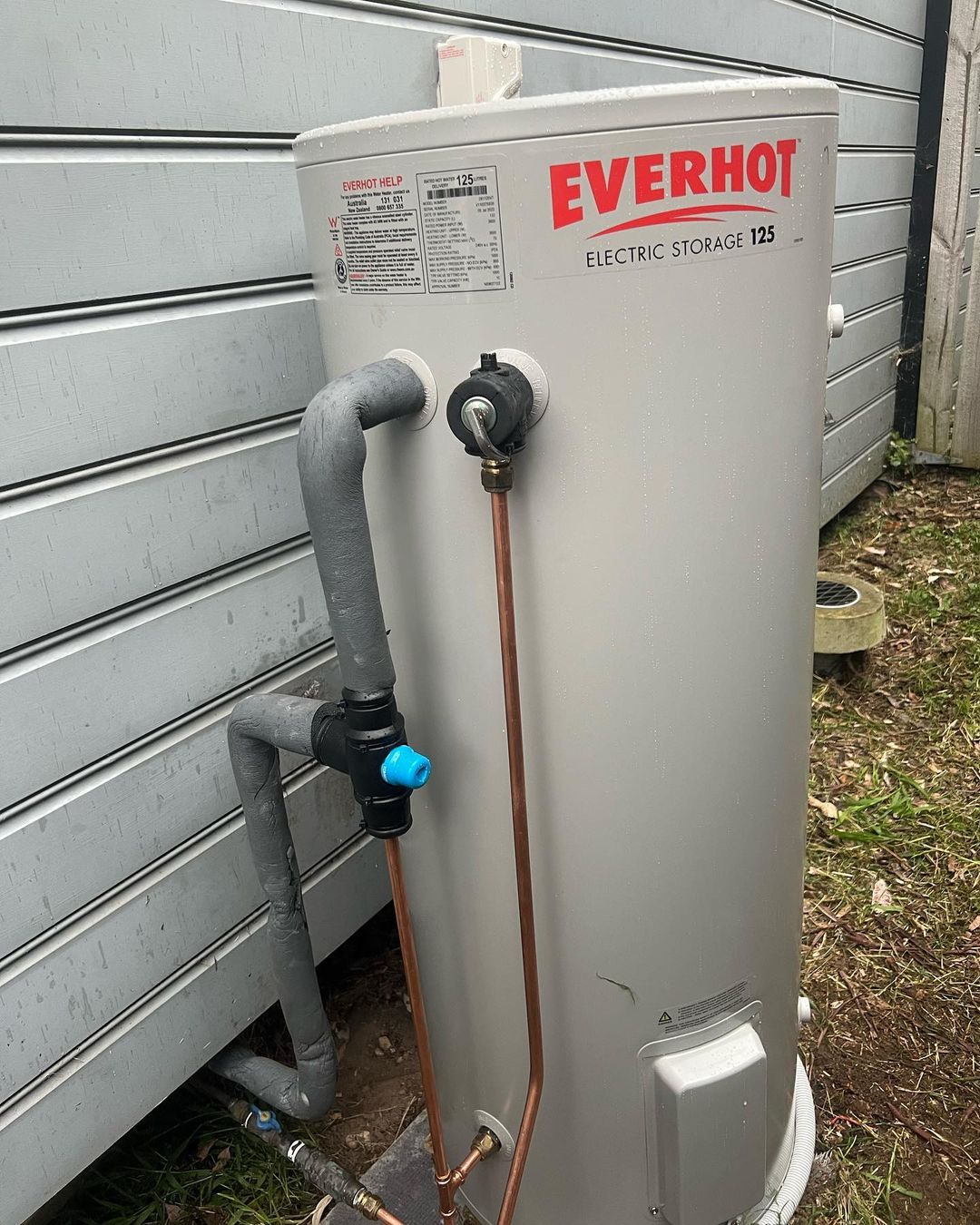
Our Hot Water Repair Services
At Rectify Plumbing, we understand the importance of having a functioning hot water system, and we know that these problems can happen at any time of the day or night. That's why we offer 24/7 emergency hot water repair and hot water installation services in St Ives to ensure that you are never left without hot water for too long.
Our plumbers are experienced in diagnosing and repairing all types of hot water system problems, including:
- No hot water
- Leaking hot water system
- Pilot light problems
- Thermostat issues
- Faulty heating element
- Low water pressure
- The hot water system is making strange noises.
Hot Water Installation Services
If you need a new hot water system installed, Rectify Plumbing has got you covered in St Ives. Our team of expert plumbers can recommend the best hot water system for your needs and budget. We also will provide you with a comprehensive quote that includes hot water repairs and hot water installation, removal of the old system, and disposal of any waste.
We work with all major brands of hot water systems, including Rheem, Dux, Rinnai, Bosch, and more. We will advise you on the best hot water system for your property based on your usage, available space, and budget, and we will ensure that the installation is done safely and efficiently.
Why Choose Rectify Plumbing As Your Go to Service Provider?
There are several reasons why you should choose Rectify Plumbing for your hot water repair and installation needs in St Ives and its surrounding areas:
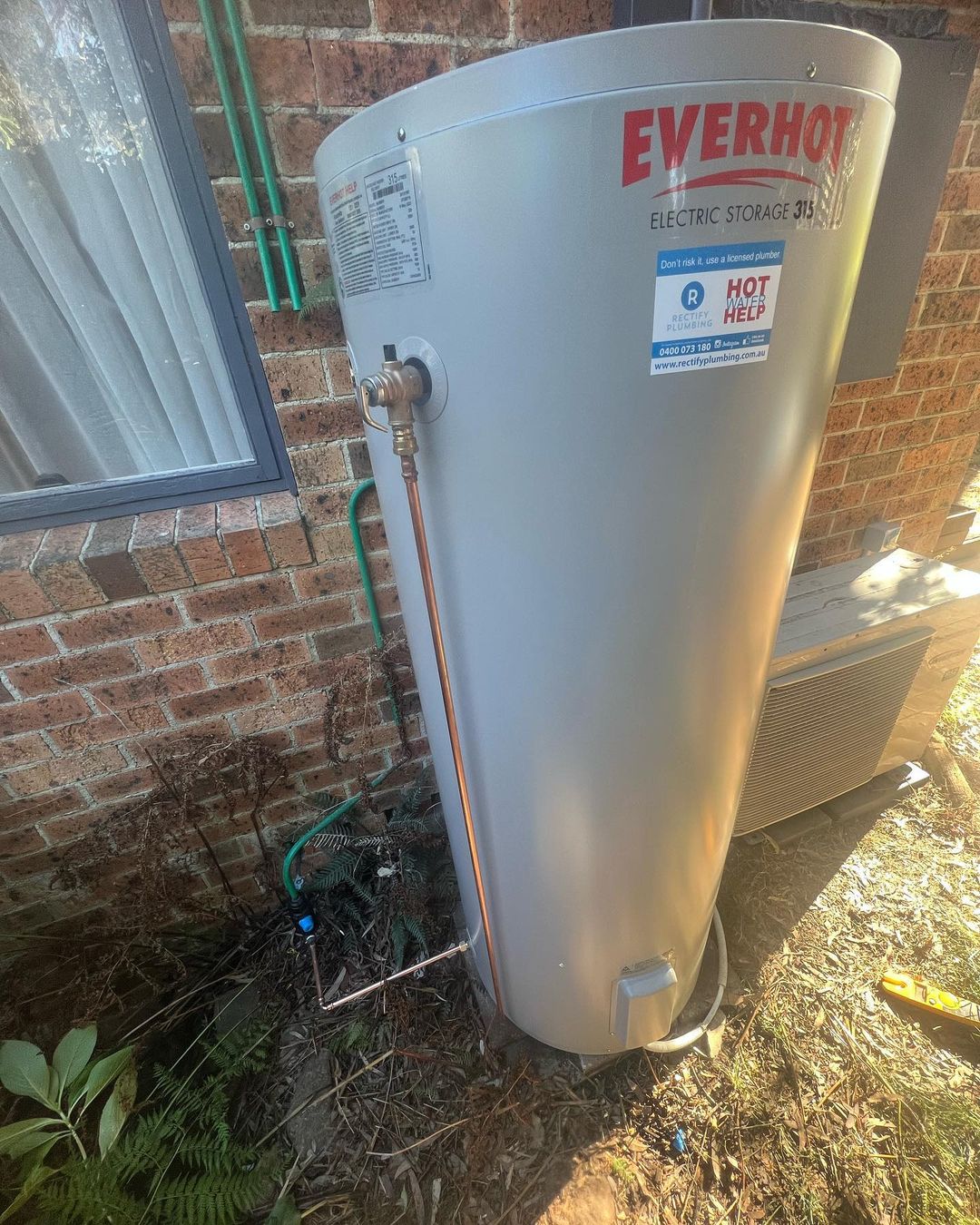
- Experienced And Licensed Plumbers: Our team of plumbers is fully licensed and has years of experience in repairing and installing hot water systems. You can trust us to provide you with reliable and long-lasting solutions.
- Fast And Efficient Service: We understand that hot water problems can cause a lot of inconvenience, and that's why we provide fast and efficient solutions to ensure that as soon as you can, get back to your regular schedule.
- Competitive Prices: We offer competitive prices for all our hot water repair and installation services. We provide you with a comprehensive quote upfront, so you know exactly what you are paying for, with no hidden fees or charges.
- 24/7 Emergency Service: We offer 24/7 emergency hot water repair services to ensure that you are never left without hot water for too long.
- Quality Workmanship: We pride ourselves on providing quality workmanship and using only the best materials and equipment in all our jobs.
Contact Us Today
If you need hot water repair or installation services around St Ives or its surrounding areas, don't hesitate to contact Rectify Plumbing today. We offer fast and efficient solutions at competitive prices; we offer you the best possible service. You can reach us by phone or email, and our friendly team will be happy to assist you with any questions or concerns you may have. You can also request a free quote by filling out our online contact form, and we will get back to you as soon as possible.
At Rectify Plumbing, we understand the importance of having a functioning hot water system. We are your trusted plumbing partner and we will provide you with reliable and efficient hot water repair and installation services in St Ives. Our experienced and licensed plumbers are equipped with the latest tools and equipment to diagnose and repair any hot water system problem, and we work with all major brands and models of hot water systems.
Contact us on 0400 073 180 today for all your hot water and plumbing needs, and we ensure that you won't be disappointed with our quality workmanship and competitive prices.
rectify
what our happy clients say
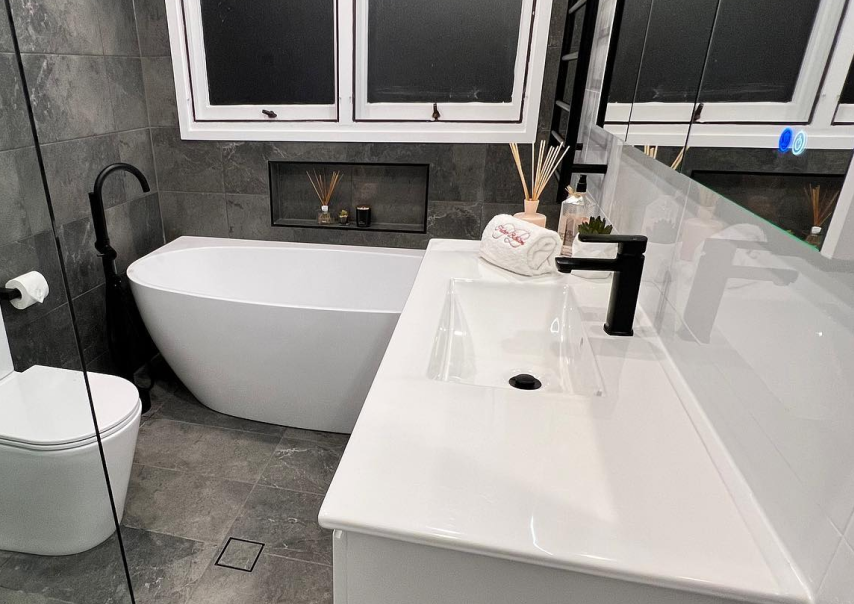
Rectify did all the renovation works for our bathrooms and laundry, and they truly live up to their name. Project can never be smooth and there are issues from time to time, Jake and his team always rectify these issues properly and in a timely manner. And he is very honest regarding what he can/can't do which we appreciate a lot.
Ying Chen
Rectify plumbing were friendly upfront and on time. Their communication was excellent and the tradesman identified the issue (leaking pipe underground) and got the job done with no fuss or BS. I recommend this plumbing company highly.
Stevo C
Incredibly professional, responsive and helpful. Great value plumbing service even on a Saturday call out. Big thanks to Jake and Jack for solving my tap issue quickly. Would absolutely recommend! ⭐️
Beth H

Latest Blog
02Jun
Emergency Plumber Wyoming NSW: Central Coast 24/7 Response Times
First, the geography clarifier: Wyoming NSW — a suburb of Gosford on the Central Coast, roughly 80 kilometres north of Sydney — is not Wyoming USA. If you're reading this at 11pm on a Sunday because something has gone wrong in your bathroom, you don't need a Sydney CBD plumber who'll quote you a 90-minute drive. You need a Central Coast local who knows the streets, can be at your door in 30 to 50 minutes, and gives you a fixed price before any tools come out of the van.
Here's the honest picture of emergency plumbing response times in Wyoming, what the most common Central Coast emergencies cost in 2026, and what to do in the five minutes between calling the plumber and the van pulling into your driveway.
 Real ranges from twelve months of Central Coast emergency callouts. No "starting from" pricing, no surprises on the final invoice.
 If you've called us and we're on the road, here are the five things to do while you wait. They significantly reduce both the damage and the total cost.
How Fast Can a Plumber Actually Get to Wyoming NSW?
Distance matters more than marketing claims. When a website says "24/7 Sydney-wide" without naming a Central Coast base, that's usually a plumber dispatched from somewhere in northern Sydney — and the M1 traffic between Sydney and Gosford makes the arithmetic unforgiving at any hour.Local Wyoming or Gosford-based plumbers: 25–45 minutes
A genuine Central Coast plumber working from a Gosford, Wyoming, West Gosford or East Gosford base should reach your door inside 45 minutes for a midnight emergency. We've done it in 22 minutes on a quiet Tuesday at 3am, and 50 minutes on a stormy Friday at 6pm — the variance is traffic and weather, not distance.North Sydney-based plumbers: 60–90 minutes
A plumber dispatched from St Ives, Hornsby, or even Berowra Heights is making 50–60 kilometres on the M1. In light overnight traffic that's 50–70 minutes. In Saturday-morning beach traffic it's 90 minutes plus. Honest quotes from a North Shore plumber for a Wyoming callout will name this travel time upfront. Less-honest quotes hide it.Sydney CBD-based plumbers: 75–110 minutes
Pretty straightforward — that's a 75-minute drive on a good night, and 100+ minutes during the morning or evening peak. If your "Sydney-wide 24/7" search result is actually a CBD-based dispatcher, you'll be waiting up to two hours regardless of what the call centre says.When "we service the Central Coast" actually means "we travel from Sydney"
This is the test that exposes most national lead-generation websites. Ask the person on the phone: "Where is the plumber I'm getting actually leaving from right now?" A real Central Coast local will name a street or suburb on the Coast. A lead-gen middleman will say "from our nearest available technician" — which is corporate-speak for "somewhere in Sydney, we'll let you know." For more on our complete Wyoming plumber service and what we cover across the Central Coast, our suburb page has the full picture.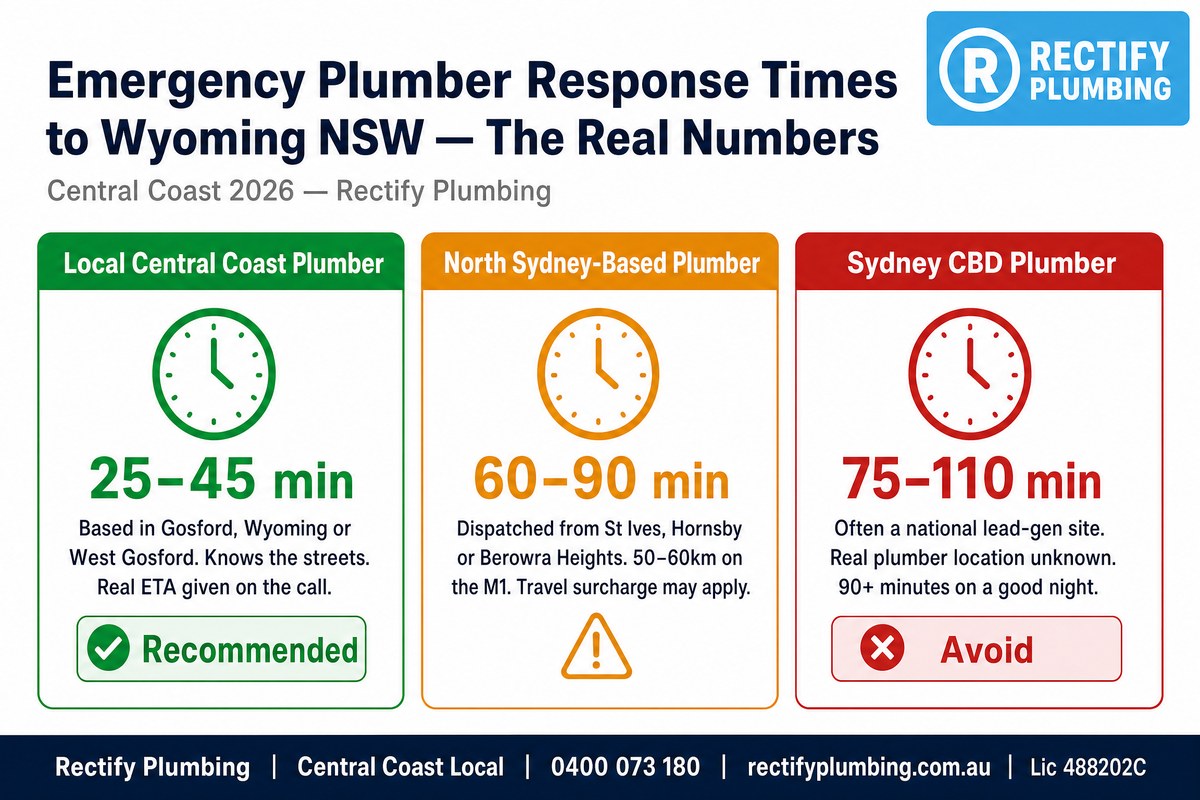
Most Common Wyoming NSW Plumbing Emergencies (What We See Weekly)
The pattern of emergency callouts in Wyoming, Gosford and the surrounding suburbs is consistent across the year, with seasonal peaks.Burst pipes — especially in winter cold snaps
Wyoming hits low single digits on cold winter nights, and pipes that have been compromised for years finally split when the temperature drops. Older homes with original copper pipework on external walls are the most common candidates. See our burst pipe service for what to do in the first 10 minutes before we arrive.Hot water system failures
Central Coast water is harder than most Sydney suburbs because of the Mangrove Mountain catchment, which accelerates internal corrosion of hot water tanks. A 15-year-old Rheem storage system that would still be running in inner Sydney is often dead at year 11 in Wyoming. We carry common replacement units on the van — see hot water installation and repair for what's involved in a same-day swap.Storm-related gutter and roof plumbing damage
The Central Coast cops east-coast lows hard. Storm season runs heaviest from October to April, and emergency callouts during storms are their own category — temporary make-safe work during the event, permanent remediation booked for the next dry day.Older home blocked drains with eucalyptus root intrusion
A meaningful proportion of Wyoming and Gosford homes were built between the 1970s and early 1990s, with clay drainage pipes that have been in the ground for 40 to 50 years. The Central Coast canopy — established eucalypts, angophoras, jacarandas — has root systems that have spent decades finding the cracks in those clay joints. See our Central Coast blocked drain service for the camera-then-clear approach we use across the Coast.Pool plumbing leaks
Wyoming has a higher concentration of in-ground pools than most Sydney suburbs. Pool plumbing leaks — failed pump connections, cracked PVC return lines, corroded skimmer fittings — make up a steady share of emergency callouts. Most are fixable on the same day if the pool can be partially drained and the leak is accessible.Honest Emergency Pricing in Wyoming 2026
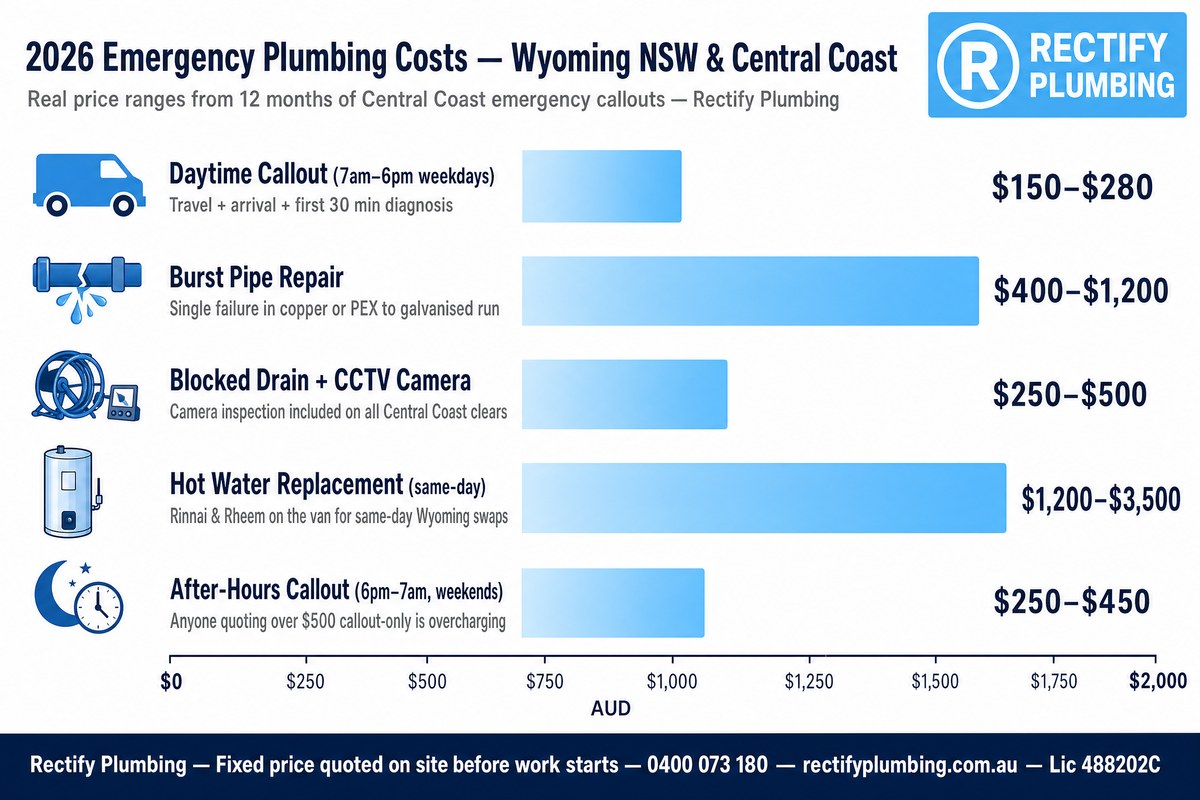
Daytime callout (7am–6pm weekdays): $150–$280
Covers travel from a Central Coast base, arrival, and the first 30 minutes of diagnosis. Repair work is quoted separately on a fixed-price basis before any work begins.After-hours callout (6pm–7am, weekends, public holidays): $250–$450
Higher because the plumber on call is out at antisocial hours. Anyone quoting over $500 just for the callout — before any repair work — is overcharging.Burst pipe repair: $400–$1,200
The lower end of the range applies to a single failure in modern copper or PEX pipework. The upper end applies when the failure is in original galvanised pipe, where the section we replace is often a symptom of broader corrosion that affects more of the run.Blocked drain clear including CCTV camera: $250–$500
We don't clear blocked drains in older Central Coast homes without putting a camera down first. The cause matters as much as the immediate clear — root intrusion that we clear without inspecting will be back within months.Hot water replacement (same-day on the van): $1,200–$3,500
Range depends on system type (gas storage, gas continuous flow, electric storage, heat pump) and capacity. We carry the most common Rinnai and Rheem replacements on the van for same-day Wyoming swaps. For the full breakdown by brand and system size, see hot water installation and repair.What to Do Before We Arrive: 5-Minute Emergency Checklist
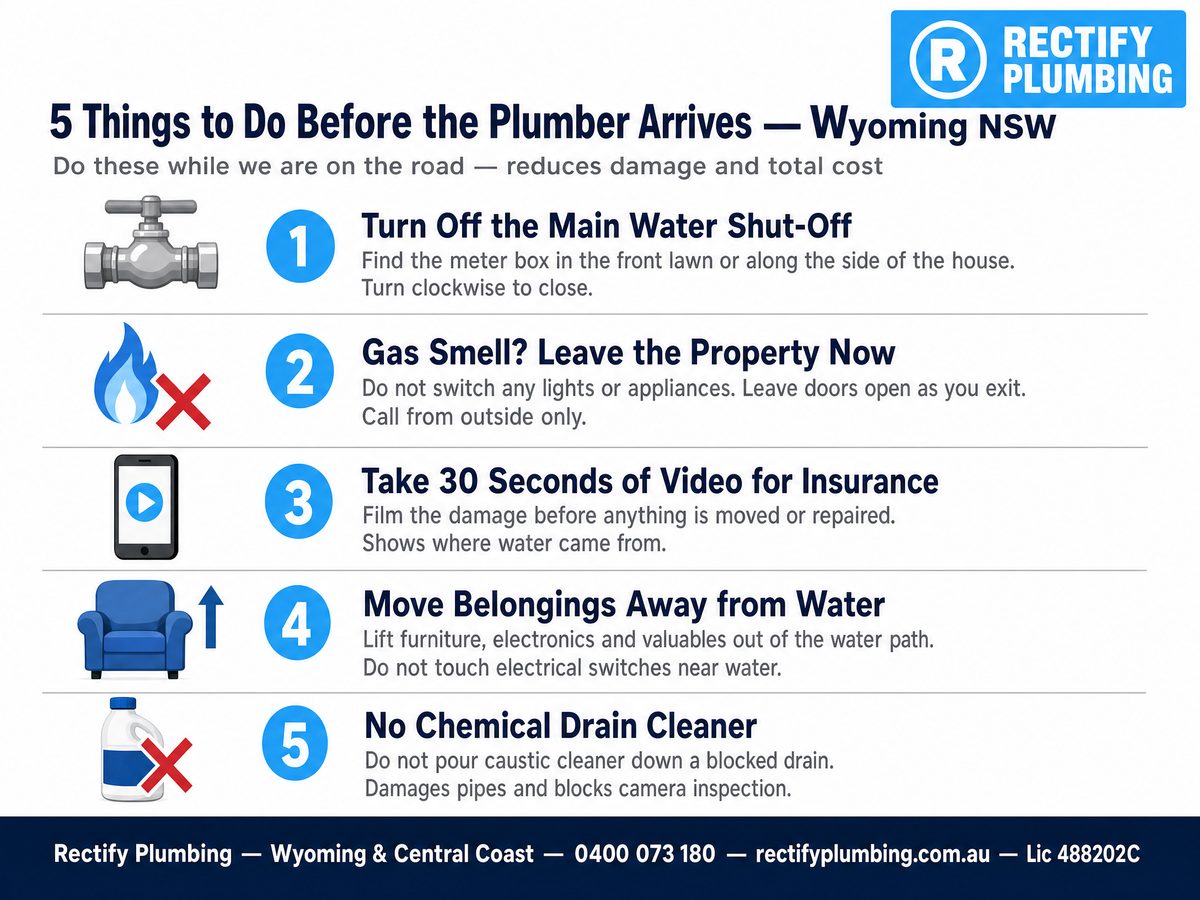
Step 1: Find and turn off the main water shut-off
In most Wyoming standalone homes, the main shut-off is near the water meter — either in a meter box set into the front lawn or footpath, or along the side of the house near an external tap. Turn it clockwise to close. Even if you're not certain which pipe has burst, cutting the supply at the main limits damage immediately.Step 2: For gas — leave the property and call from outside
If you can smell gas anywhere inside the building, do not turn any electrical switches on or off, do not use your phone inside the property, and do not try to locate the leak yourself. Get everyone out, leave doors open as you exit, and call from outside.Step 3: Take 30 seconds of video for insurance
Once the immediate situation is stable, take 30 seconds of video showing the damage — where the water came from, what surfaces are affected, any visible pipe failure. This is useful for your home insurance claim later and helps us arrive with the right equipment.Step 4: Move belongings out of the water path
Lift furniture, electronics, and anything valuable away from the water path. Do not turn electrical switches on or off if water is near any power points, light fittings or appliances.Step 5: Do not pour chemical drain cleaner down a blocked drain
If your emergency is a blocked drain or sewer back-up, do not use a supermarket chemical drain cleaner before we arrive. The caustic chemicals are a safety hazard for the plumber, they damage older clay or galvanised pipework, and they make camera inspection impossible until they're flushed clear.Why Wyoming Has More Hot Water Calls Than Other Central Coast Suburbs
There are three reasons Wyoming generates a disproportionate share of hot water emergency calls. The first is water hardness. Central Coast water from the Mangrove Mountain dam catchment carries higher mineral content than most Sydney supply. Calcium and magnesium build up as scale inside hot water tanks, on heating elements, and around inlet/outlet fittings. The result is shorter system lifespan — typically 8–12 years for a Wyoming storage system versus 12–15 years for the same system in inner Sydney. The second is housing stock age. A substantial share of Wyoming homes were built between 1975 and 1995, which means the original hot water systems installed at the time are now 30–50 years old. Many have been replaced once or twice — but plenty haven't, and those are the systems we're called to in winter when they finally fail. The third is the winter electric storage failure pattern. Wyoming has a higher proportion of electric storage hot water than the average Sydney suburb (because gas mains weren't always available historically), and electric storage systems fail disproportionately during winter peak demand. Heating element burnout, thermostat failure, and tank corrosion all show up in late June and July. If your Wyoming hot water system is 10+ years old and the winter is approaching, a $200 pre-winter inspection is significantly cheaper than a $1,800 emergency replacement at 8pm on a Sunday in July.Which Wyoming Streets and Surrounding Suburbs We Service Most Often
We're regularly on the road across Wyoming and the connected Central Coast suburbs. The areas we service most frequently for emergency callouts include: Wyoming itself, West Gosford, East Gosford, Gosford, Niagara Park, Lisarow, Narara, Springfield, Mount Elliot, Point Frederick, Point Clare, Tascott and Koolewong.If you're outside these suburbs but on the Central Coast — Erina, Terrigal, Avoca, the Peninsula, Woy Woy and further north — we still attend. The travel time is just longer. Call us and we'll give you a real ETA. Wyoming emergency right now? Call Jake direct on 0400 073 180. We're Central Coast local — not a Sydney plumber pretending. NSW Plumber & Gas Fitter Licence 488202C — verify it in 30 seconds at NSW Fair Trading. Real response times, fixed price on site, before any work starts.For more on what we cover across Wyoming and Gosford, see our Wyoming plumber page and Gosford plumber page. If your emergency is a blocked drain or sewer back-up, our Central Coast blocked drain service has the full picture. For non-emergency bookings, use our contact page. -------------------------------------------------------------------- [service_faqs]
30May
How Much Does It Cost to Clear a Blocked Drain in Berowra & Hornsby Shire (2026 Pricing Guide)
If the same drain at your property has blocked more than twice in the past 12 months, you're not looking for a cheap clear — you're looking for the honest cost of fixing the underlying cause. There's a real difference between the two, and most Hornsby Shire homeowners only learn the difference after they've paid for three clears in 18 months and the drain still backs up every winter.
This guide is the honest 2026 pricing picture for blocked drain work across Berowra, Berowra Heights, Berowra Waters, Hornsby, Mount Colah, Asquith and the surrounding Hornsby Shire. Standard clearing, camera inspection, jet blasting, and the permanent fix that some recurring blockages need. No bait pricing, no padded surcharges — just the actual ranges from twelve months of jobs in this area.
If your drain has blocked completely and you have sewage backing up inside the house, this is an emergency category — call 0400 073 180 now and read the rest of this when the water is off. Everyone else, read on.
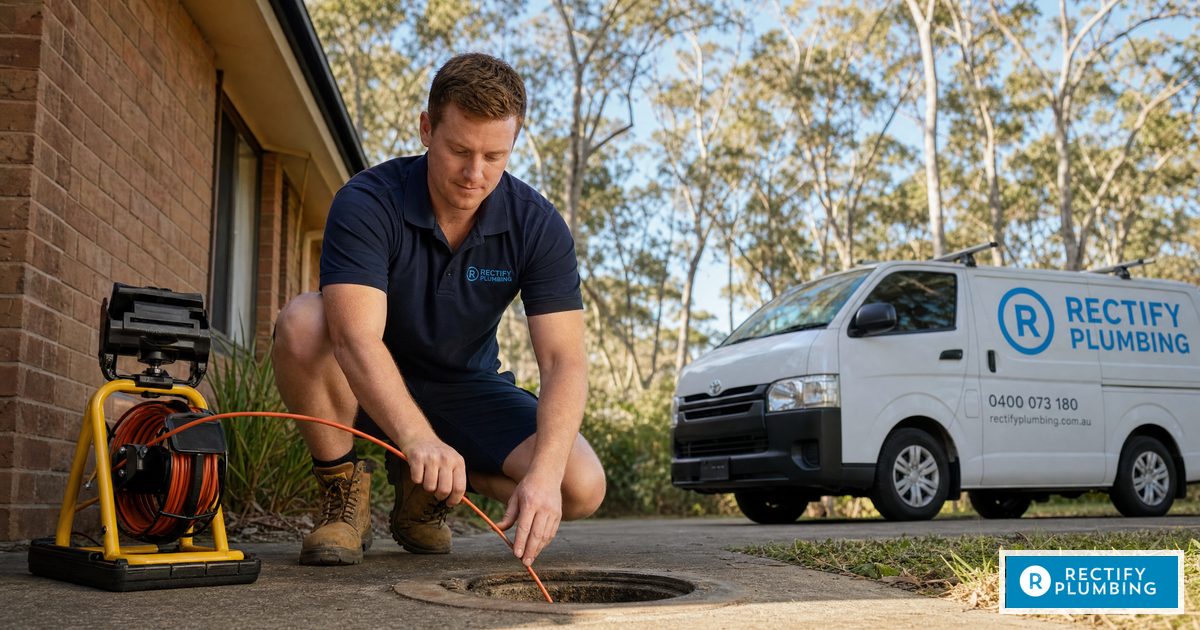
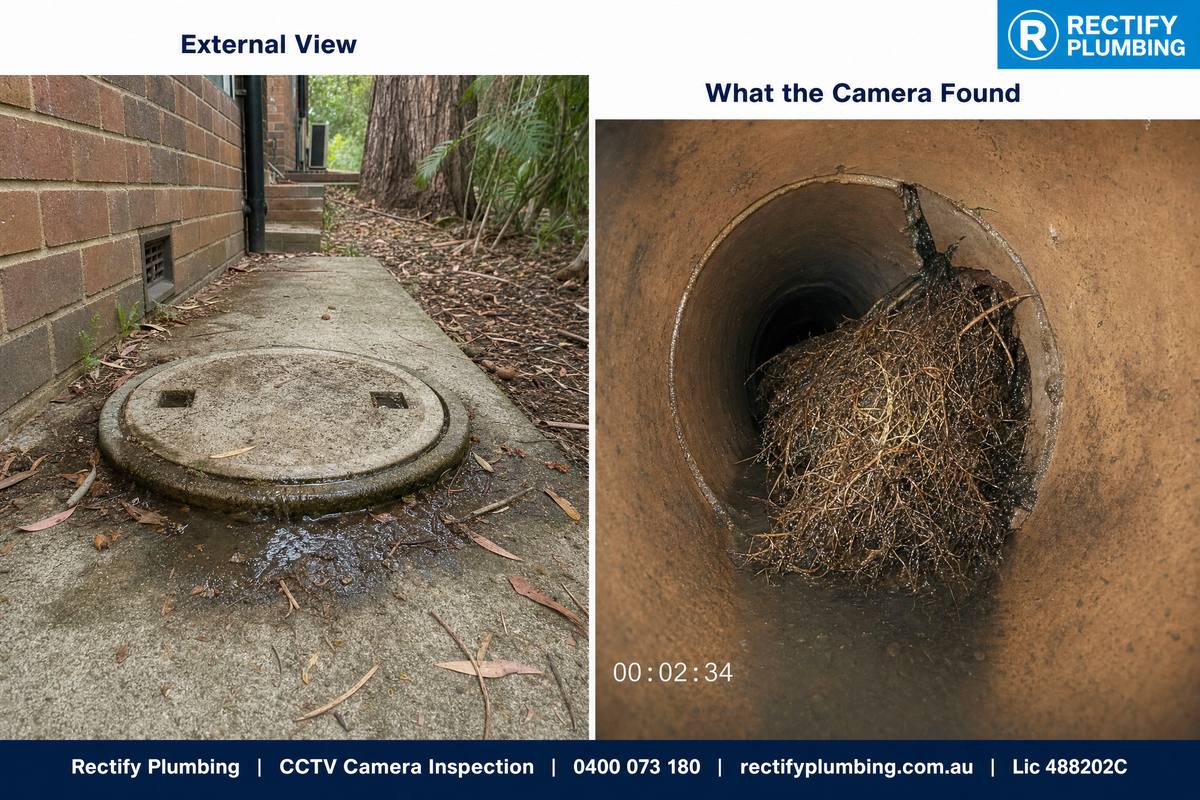
The CCTV camera is the difference between guessing and knowing. For any recurring drain blockage in the Hornsby Shire, a camera inspection is the only way to identify whether you're dealing with soft debris (chemical clear acceptable), grease (hot water flush acceptable), tree roots (needs structural fix), or pipe damage (needs repair). See our dedicated camera inspection page for the full process.
Pipe Relining Cost in Berowra and Hornsby Shire
When the camera shows that the cause of recurring blockages is a crack in the pipe, a separated joint, or root entry at a specific point, pipe relining is the permanent fix. The process inserts a resin-impregnated liner through the existing pipe, cures it in place, and creates a smooth new internal surface with no joints, no cracks, and no entry points for roots.
For more on our complete service area across Berowra and Hornsby Shire, see our Berowra plumber page. For non-emergency bookings or to get a written quote in advance, use our contact page
--------------------------------------------------------------------
[service_faqs]
Standard Blocked Drain Clear Pricing in Berowra and Hornsby Shire 2026
The most common job we attend in the Hornsby Shire is a blocked drain that needs clearing. Here's what it actually costs.Basic blocked drain clear: $250–$500
The standard range for a single blocked drain in Berowra or Hornsby in 2026. The lower end of the range applies to a blockage at a visible access point — a clean-out, an inspection opening, or a toilet — that can be cleared in 30–45 minutes with a standard drain machine. The upper end applies when the access is harder, the blockage is further from the access point, or the cause requires a bit more work to fully clear.What "clear" actually includes
A proper blocked drain clear in 2026 should include four things: arrival and assessment, the actual clearing work using the right tool for the blockage type, a quick post-clear flow test to confirm the drain is running, and a verbal explanation of what caused the blockage. If the plumber clears the drain and leaves without telling you what caused it, you're going to be paying for the same callout again in a few months.Why the same drain costs different prices at different plumbers
Three factors create the spread. Distance from the plumber's HQ is the first — a Berowra Heights-based plumber attending a Berowra Heights blockage has 5 minutes of travel; a Sydney CBD plumber has 50 minutes each way and the cost reflects that. Tool quality is the second — a basic drain snake handles soft blockages but won't shift hardened root masses, where a higher-end machine clears the same blockage in half the time. Diagnosis depth is the third — a plumber who clears the immediate blockage without identifying the cause is offering a $250 service; a plumber who clears the blockage and tells you why it happened is offering a $400 service. The latter saves you money over twelve months. For more on our complete blocked drain service across Sydney's North Shore and Hornsby Shire, see blocked drain services.CCTV Camera Inspection Cost — Bundled vs Standalone
CCTV inspection bundled with a clear: $100–$200 add-on
Where you book the clear and the camera together, the camera component is typically $100–$200 added to the clear cost. Total bundled cost: $350–$700 for a clear plus camera inspection plus written report on what was found.Standalone camera inspection: $250–$450
Where you've already had the drain cleared at another time and you want a camera inspection to identify the cause before you decide on the long-term fix, the standalone camera cost is $250–$450. Includes 60–90 minutes on site, full pipe traverse from accessible points, written report with timestamped footage references.Why we always recommend bundling the camera with the first clear
The maths is simple. If you book three separate callouts in twelve months — clear, then camera, then a follow-up clear because the first clear didn't fix the cause — you've paid $250 + $350 + $250, a total of $850. If you book a bundled clear-plus-camera on the first callout — $500 — and the camera identifies that the underlying problem needs section relining ($1,200), your twelve-month spend is $1,700 and the drain doesn't block again for a decade. If you book three callouts and then eventually need the relining anyway, you've spent $2,550 over twelve months for the same outcome. The camera-first approach pays for itself in months.When You Need Jet Blasting (and What It Costs)
Jet blasting uses high-pressure water — typically 3,000–4,500 PSI — to cut through hardened root masses, scour grease and scale from pipe walls, and flush built-up debris that a standard drain machine can't shift. Our dedicated jet blasting page has more detail on the equipment and process.Jet blasting cost in Berowra and Hornsby Shire: $300–$700
The range depends on pipe length, accessibility, and the severity of the blockage. A 5-metre run through a 100mm clay pipe with moderate root intrusion sits at the lower end. A 20-metre run through a sewer line with established root mass and grease buildup sits at the upper end.When jet blast is necessary vs unnecessary
Jet blasting is necessary when a standard drain machine has failed to clear the blockage, when the camera shows hardened root intrusion that a drain snake will just push past, or when the blockage covers a long pipe run. Jet blasting is unnecessary for fresh blockages caused by soft debris, hair, or single-point grease — a standard clear handles those at a third of the cost. The honest read: if a plumber arrives at a routine blocked drain and immediately quotes jet blasting before trying a standard clear, ask why. There are legitimate reasons (camera footage showing root intrusion, history of recurring blockage) but there are also illegitimate reasons (jet blast carries a higher margin). Make them justify the recommendation.Difference between standard clear and jet blast
A standard drain machine pushes a cutting head through the blockage to break it apart and pull debris back. The pipe is clear, but the walls still carry residue and roots that will regrow within months. A jet blast actually scours the pipe wall clean, removing the root mass at the entry point and stripping grease that would otherwise rebuild. For older Berowra and Hornsby clay pipes with root intrusion, jet blasting is the difference between a 6-month fix and a 3-year fix.Pipe Relining Cost in Berowra and Hornsby Shire
When the camera shows that the cause of recurring blockages is a crack in the pipe, a separated joint, or root entry at a specific point, pipe relining is the permanent fix. The process inserts a resin-impregnated liner through the existing pipe, cures it in place, and creates a smooth new internal surface with no joints, no cracks, and no entry points for roots.
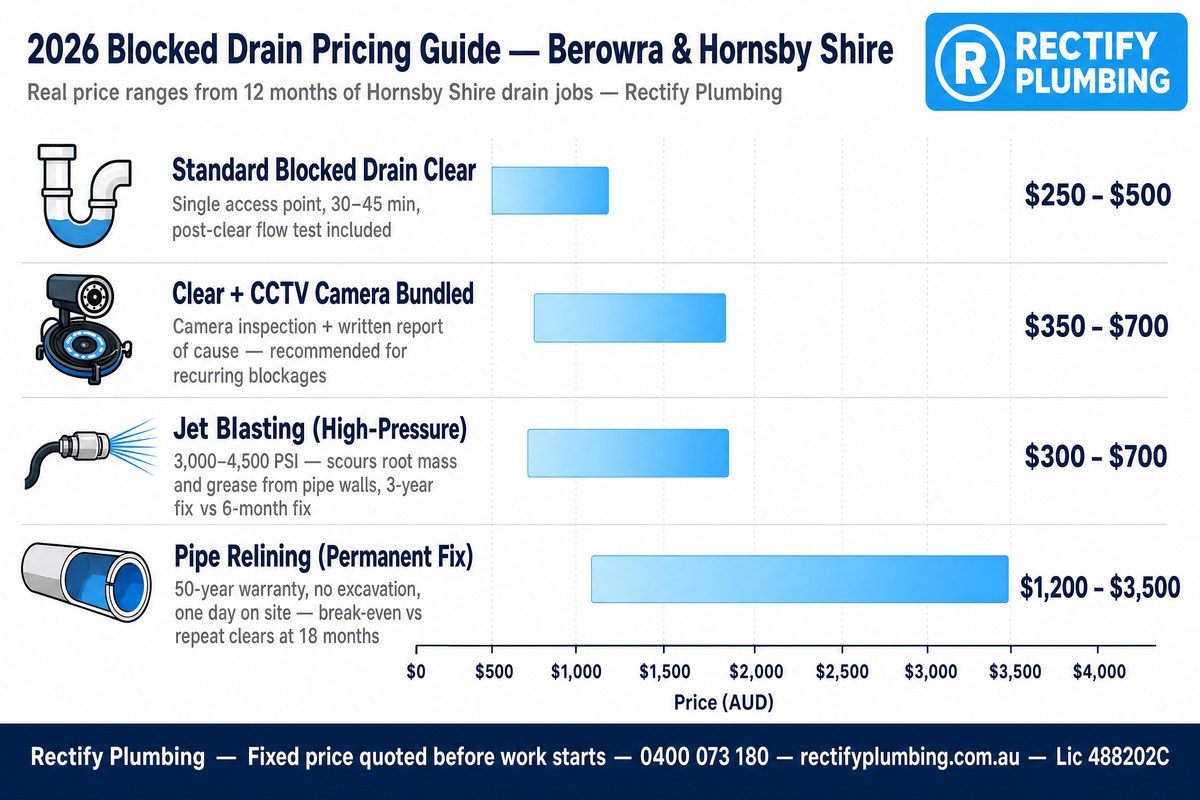
Full pipe reline cost: $1,200–$3,500
The range depends on pipe length, diameter, and access. A standard 10-metre reline through a 100mm clay pipe with good access from an existing clean-out sits in the middle of the range. Longer runs, larger diameter, or harder access push toward the upper end. The work is typically completed in one day with no excavation, and the liner carries a 50-year warranty.Section relining (short repairs): $800–$1,800
Where the camera identifies a single crack or joint failure at a specific point — not broader pipe deterioration — a section reline addresses just that point. Typical section relines are 1–3 metres of pipe at the identified failure. Cost is lower than a full reline because there's less material and less time on site.Why it's worth it for recurring blockages
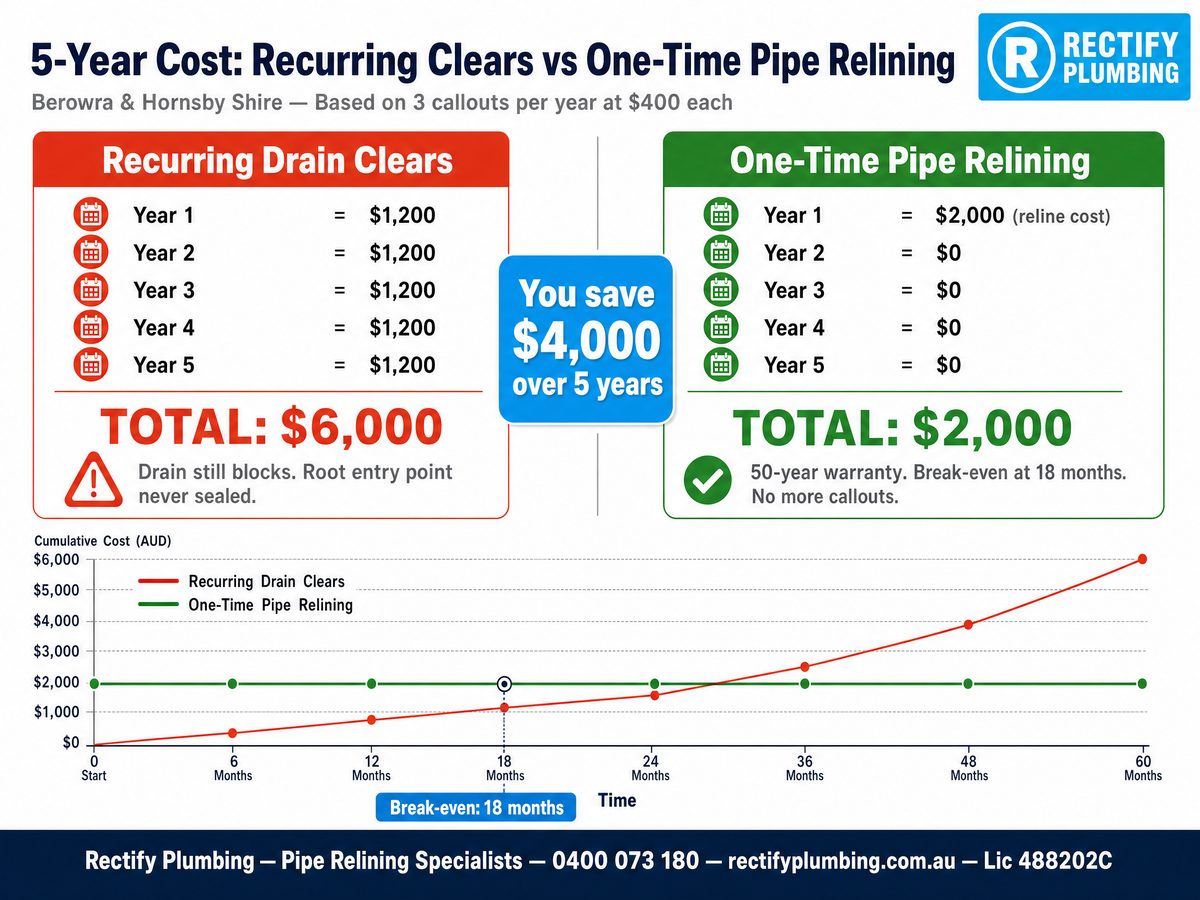
The economic logic is clear once you do the maths over five years. Three blocked drain callouts per year at $400 each is $1,200 annually, $6,000 over five years. One $2,000 pipe reline eliminates the recurring blockages and lasts 50 years. The break-even is around 18 months, and the saved hassle of midnight emergency callouts has its own value.When Clearing Won't Fix It (and Why Bushland Shire Drains Are Different)
Hornsby Shire is officially classified as Sydney's Bushland Shire. The tree canopy here is among the most established in metropolitan Sydney — angophoras, spotted gums, turpentines, council-protected figs — with root systems that have been growing for 40 to 60 years. A significant share of Hornsby Shire homes were built between 1950 and 1990, with terracotta clay drainage pipes installed at the time. Sixty years of soil movement creates hairline cracks at clay joints. Sixty years of root growth turns those hairline cracks into root entry points. By 2026, a meaningful share of Bushland Shire drains have at least one section with active root intrusion. Clearing the drain removes the root mass but doesn't repair the entry point. The roots regrow through the same crack within weeks or months. The cycle repeats. The only thing that breaks the cycle is identifying the crack (camera) and sealing it (relining). For more specific Hornsby drain content, our Hornsby blocked drains service page covers the suburb-specific dynamics in detail.How to Avoid Paying Multiple Times for the Same Blocked Drain
Five practical things to do when you book a Berowra or Hornsby blocked drain callout.Insist on a camera inspection if the drain has blocked before
If the drain has blocked previously — even once — book the camera at the same time as the clear. The $100–$200 incremental cost is the cheapest insurance you'll ever buy against repeat callouts. Without the camera, the plumber is guessing at the cause and you're guessing at whether the next blockage is six weeks away or six months.Get a written report of what was found
Verbal explanations after the work are common but not useful three months later when the drain blocks again. A written report — even just a few lines with timestamped camera footage references — gives you something to refer back to. The next plumber (if you change providers) has actual data to work from.Ask about underlying pipe condition explicitly
"Did the camera show anything wrong with the pipe itself?" is the single most valuable question to ask after a blocked drain clear. A clear yes/no answer with explanation tells you whether you're heading toward another callout. An evasive answer tells you the plumber didn't actually look or doesn't want to talk about it.Get a pipe relining quote at the same time
Where the camera does identify a pipe issue (crack, joint failure, root entry point), ask for a relining quote on the same visit. It commits the plumber to a real number, lets you compare against future quotes, and frames the cost-benefit decision clearly. Most plumbers will discount the camera component if you book relining off the back of it.Verify the plumber's NSW licence before they walk through the door
Every legitimate Sydney plumber has an NSW Plumber & Gas Fitter Licence number. Rectify Plumbing's number is 488202C. You can verify it in 30 seconds at NSW Fair Trading's licence check tool. Unlicensed work voids your home insurance and exposes you to the work being substandard.Recurring blocked drain in Berowra or Hornsby? Call Jake direct on 0400 073 180. We bundle camera inspection with every clear so you know the cause before you pay for the same callout twice. NSW Plumber & Gas Fitter Licence 488202C — verify it in 30 seconds at NSW Fair Trading. Fixed price quote on site, before any work starts.
26May
Emergency Plumber Windsor NSW & Hawkesbury: Honest Cost Breakdown 2026
Windsor NSW — not Windsor Ontario, not Windsor Victoria — sits at the heart of the Hawkesbury, about 60 kilometres northwest of the Sydney CBD. It's an area with unique plumbing characteristics: 1860s heritage homes with original cast iron pipework, rural acreages running on bore water and septic systems, flood-zone properties along the river, and the kind of distance from Sydney suppliers that affects how quickly you can get a part on a Sunday night.
If you've just searched "emergency plumber Windsor NSW" because something has gone wrong — a burst pipe, no hot water, a flooded laundry — the first thing you want to know is what this is going to cost. The second is who you can trust to give you a straight answer without padding the bill.
Here are the real 2026 emergency plumbing costs across Windsor, Richmond, North Richmond, McGraths Hill, Bligh Park and the surrounding Hawkesbury area. No "starting from" pricing, no surprise fees buried in the small print — just the actual ranges from twelve months of jobs in this region.
These are real 2026 ranges from emergency callouts across the Hawkesbury. The wider the range, the more variability — older homes and rural properties sit at the upper end of each band.
If you've owned a Windsor property for a while, you've probably noticed that emergency plumbing seems to happen more often here than friends' homes in newer Sydney suburbs. There are four reasons specific to the Hawkesbury.
If the emergency caused property damage that you'll be claiming on home insurance, the documentation the plumber provides matters as much as the repair itself.
Your insurer will typically ask for:
Honest Emergency Callout Pricing in Windsor & Hawkesbury 2026
Callout fees in the Hawkesbury sit slightly higher than inner-Sydney averages, and the reason is geography rather than greed — we'll get to that in a moment.Standard daytime callout (7am–6pm weekdays): $150–$280
Covers travel from a Hornsby Shire or Hawkesbury-based plumber, arrival, and the first 30 minutes of diagnosis. Repair work is quoted on a fixed-price basis before any tools come out of the van. This is what you should expect any licensed Sydney plumber to charge for a non-emergency Windsor callout during business hours.After-hours callout (6pm–7am, weekends): $250–$450
Higher because the plumber on call is on the road at antisocial hours, and the trip from Hornsby Shire to Windsor is typically 35–55 minutes each way. Anyone charging over $500 just for the callout — before any repair work — is overcharging.Public holiday callout: $300–$500
Public holiday rates carry an additional premium because tradespeople are paid penalty rates by law. That's fair and standard across the industry. What's not fair is hidden public holiday surcharges that only appear on the final invoice. Confirm before they leave.Why callouts cost more in Hawkesbury than inner Sydney
Two factors push Windsor callout fees up. The first is travel time — a Sydney-based plumber dispatched to Windsor at 11pm is making an hour each way, two hours of road time on the bill before any work starts. The second is parts availability — common parts that a Lane Cove plumber would have on the van might need to be ordered for a Windsor job, particularly for older Hawkesbury homes with non-standard fittings. The honest read: if a plumber quotes Windsor at the same price as inner Sydney, they're probably not actually coming from Hornsby Shire or the Hawkesbury — they're a national lead-gen site that hasn't disclosed the travel surcharge yet.What Each Common Emergency Job Costs in Windsor
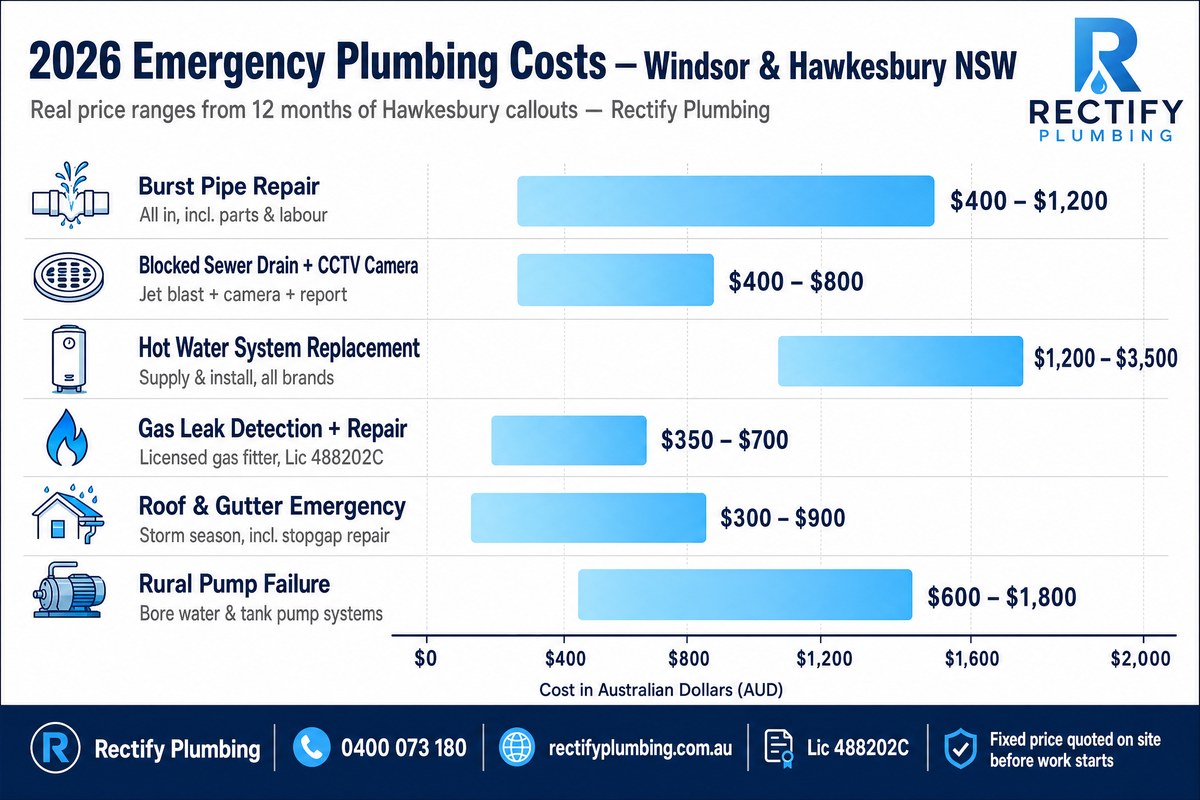 These are real 2026 ranges from emergency callouts across the Hawkesbury. The wider the range, the more variability — older homes and rural properties sit at the upper end of each band.
Burst pipe repair: $400–$1,200 all in
The most common emergency we attend in Windsor. For a single failed section in a copper or PEX line, the lower end of the range applies — locate, isolate, replace, pressure test. The upper end applies when the failure is in original galvanised pipework in a heritage home, where the failure point is often a symptom of broader corrosion that affects the whole section. For a complete picture of what to do in the first 10 minutes before we arrive, see our burst pipe service page.Blocked sewer drain including CCTV camera: $400–$800
We don't clear blocked drains in older Windsor properties without a camera going in first. The reason is that the underlying cause matters as much as the immediate blockage — Hawkesbury homes with original clay drainage frequently have tree root intrusion that will recur within months if we don't see the cause. The camera plus jet blast plus inspection report falls into this range.Failed hot water system replacement: $1,200–$3,500
Carries on the van where possible for same-day swap, especially for Rinnai and Rheem storage units which are the most common Windsor installations. The range depends on capacity, gas vs electric vs heat pump, and whether the gas/electrical work needs upgrading at the meter or switchboard. See hot water installation and repair for the full breakdown by brand and system type.Gas leak detection plus repair: $350–$700
Licensed gas fitter work only — by NSW law a general plumber cannot legally repair a gas leak. Rectify Plumbing holds a combined Plumber & Gas Fitter licence (488202C), which covers both. Pressure test, locate, isolate, repair, recertify — full process every time. See our gas plumbers for what only a licensed gas fitter can legally do.Roof and gutter emergency during storm season: $300–$900
The Hawkesbury cops storms harder than most of Sydney, and emergency roof/gutter work during a wet weather event is its own category. Stopgap repairs on site during the storm, with permanent remediation booked for the next dry day, sits at the lower end. Significant tile or sheet displacement requiring temporary tarp + same-day work sits at the upper end.Pump failure on a rural Hawkesbury property: $600–$1,800
Rural acreages around Windsor, North Richmond, Wilberforce and Ebenezer often run on a combination of mains water, tank water and bore water with various pumps in the system. When a pump fails on a Sunday night and the house has no water supply, the diagnosis runs across pump motor, pressure tank, controller and pipe work. The range reflects whether we can replace a single component or whether the full pump assembly needs swapping out. Parts for non-standard rural pumps sometimes take 24–48 hours to source.Windsor-Specific Plumbing Risks (Why This Suburb Is Different)
 If you've owned a Windsor property for a while, you've probably noticed that emergency plumbing seems to happen more often here than friends' homes in newer Sydney suburbs. There are four reasons specific to the Hawkesbury.
1860s–1900s heritage homes with original cast iron + galvanised pipework
A meaningful proportion of Windsor's housing stock predates Federation. Heritage homes around George Street, Macquarie Street and Thompson Square often retain original cast iron drainage and early galvanised steel supply pipework — installed in the late 1800s, modified ad hoc over 150 years, and now reaching the end of useful life. The plumbing risk in these homes isn't just age. It's that the original fittings, sizes and threads sometimes don't match modern standards, meaning even straightforward repairs require sourcing adapters or fabricating connections. A 90-minute job in a newer suburb can be a 4-hour job in an 1880s Windsor cottage.Rural properties with bore water and septic systems
Outside the town centre, much of Windsor and the surrounding Hawkesbury is acreage with no town water connection. Properties run on bore water, rainwater tanks, or both — with a septic system handling all wastewater. The plumbing on a rural Hawkesbury property is a closed system: when something fails, the whole house is affected, and there's no quick mains-water fallback while you wait for the repair. Septic system emergencies — back-up, overflow, blocked outlet — are their own urgent category. The cost varies widely depending on whether the issue is a blocked outlet (lower end) or a failed soakage field (significantly higher).Flood-zone homes — regular storm events damage external plumbing
The Hawkesbury floods. Not occasionally — regularly. The 2021 and 2022 floods peaked at major-flood levels along the Hawkesbury–Nepean system, and the regional plumbing impact lasts for months after the water recedes. External pipework, hot water systems located at ground level, gas regulators on the side of homes, septic outlets — all of it takes water damage. The NSW SES Hawkesbury team publishes flood preparation resources every storm season. The plumbing-specific preparation includes raising hot water systems where possible, fitting one-way valves on sewer outlets to prevent back-flow during floods, and isolating gas supply if the meter sits below the expected flood line. Post-flood, the plumber checklist includes pressure-testing the entire supply system, replacing damaged regulators and HWS components, and inspecting drainage for silt intrusion.Greater distance from supply
A Lane Cove plumber's van might be 12 minutes from a Reece store. A Windsor callout can be 25–40 minutes from the nearest plumbing supplier. For common parts that's fine — we carry them. For unusual parts on a heritage home or a rural pump, sourcing can add a day to the repair. Honest pricing accounts for this; padded pricing pretends it doesn't exist.How to Avoid Surprise Plumbing Bills in Windsor
Five practical things to do before you agree to any emergency plumbing work in the Hawkesbury.Insist on a fixed-price quote before work starts
The single most important request. A licensed Sydney plumber should always quote fixed price for emergency work on site, after diagnosis, before any tools come out. "We'll see how we go and bill you for time" is not acceptable for any job over $300 — that's how you end up paying $1,800 for a job that should have been $600.Get the callout fee confirmed when you call
Before the plumber leaves their base, you should know: the callout fee, the after-hours surcharge if applicable, and whether the hourly rate is bundled into the first 30 minutes or charged separately. Get all three on the call. Anyone refusing to disclose is hiding something.Ask if travel time is bundled or extra
A Sydney-based plumber heading to Windsor at 11pm should not be billing you for two hours of road time. Either the callout fee covers travel (which is industry standard) or you should choose a local Hawkesbury or Hornsby Shire-based plumber whose callout fee is realistic for the distance.Verify the NSW licence number on Fair Trading
Takes 30 seconds at NSW Fair Trading's licence check tool. Enter the number, confirm the status is current, confirm the name on the licence matches the business name on the van or invoice. Rectify Plumbing's number is 488202C — verify it before you call us, or before you call anyone else.Ask about written warranty (12 months minimum)
Standard workmanship warranty in NSW for licensed plumbing work is 12 months. Parts carry the manufacturer's warranty separately. A plumber offering a 30-day warranty is telling you they're not confident in the work, and a plumber refusing to warranty the work in writing is telling you the same thing more clearly.What Windsor Insurance Companies Need from Your Plumber After an Emergency
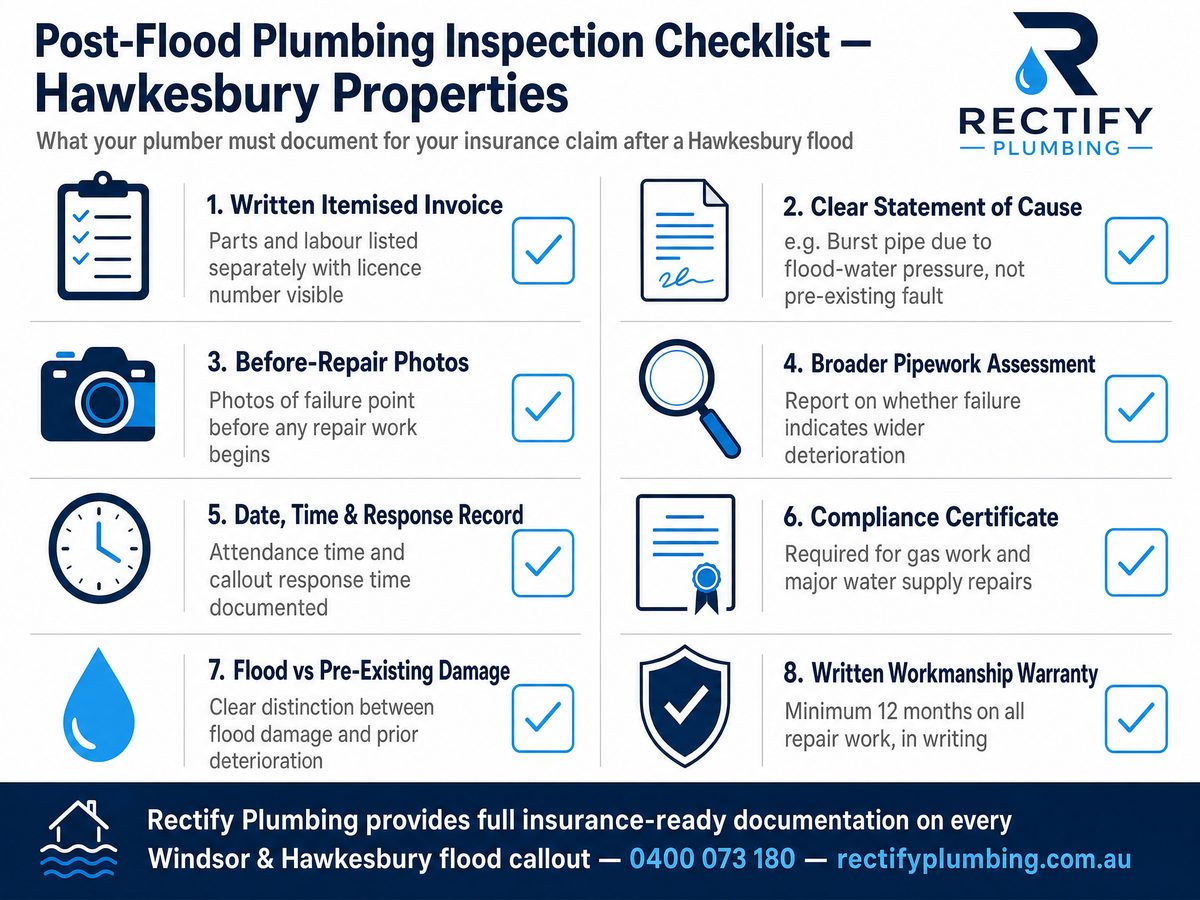 If the emergency caused property damage that you'll be claiming on home insurance, the documentation the plumber provides matters as much as the repair itself.
Your insurer will typically ask for:
If the emergency caused property damage that you'll be claiming on home insurance, the documentation the plumber provides matters as much as the repair itself.
Your insurer will typically ask for:
- A written invoice itemising parts and labour, with the licence number visible
- A clear statement of cause — "burst pipe due to galvanised pipe corrosion at joint" rather than "fixed leak"
- Photos of the failure point before repair
- A report on whether the failure indicates broader pipework deterioration that may require future remediation
- Date and time of attendance, response time on the callout
- Compliance certificate for any gas or major water work
Contact The Team At Rectify Plumbing For All Your Plumbing & Gas Needs
rectify
Get in Touch
13+ YearsExperience