
rectify
Our Recent Blog
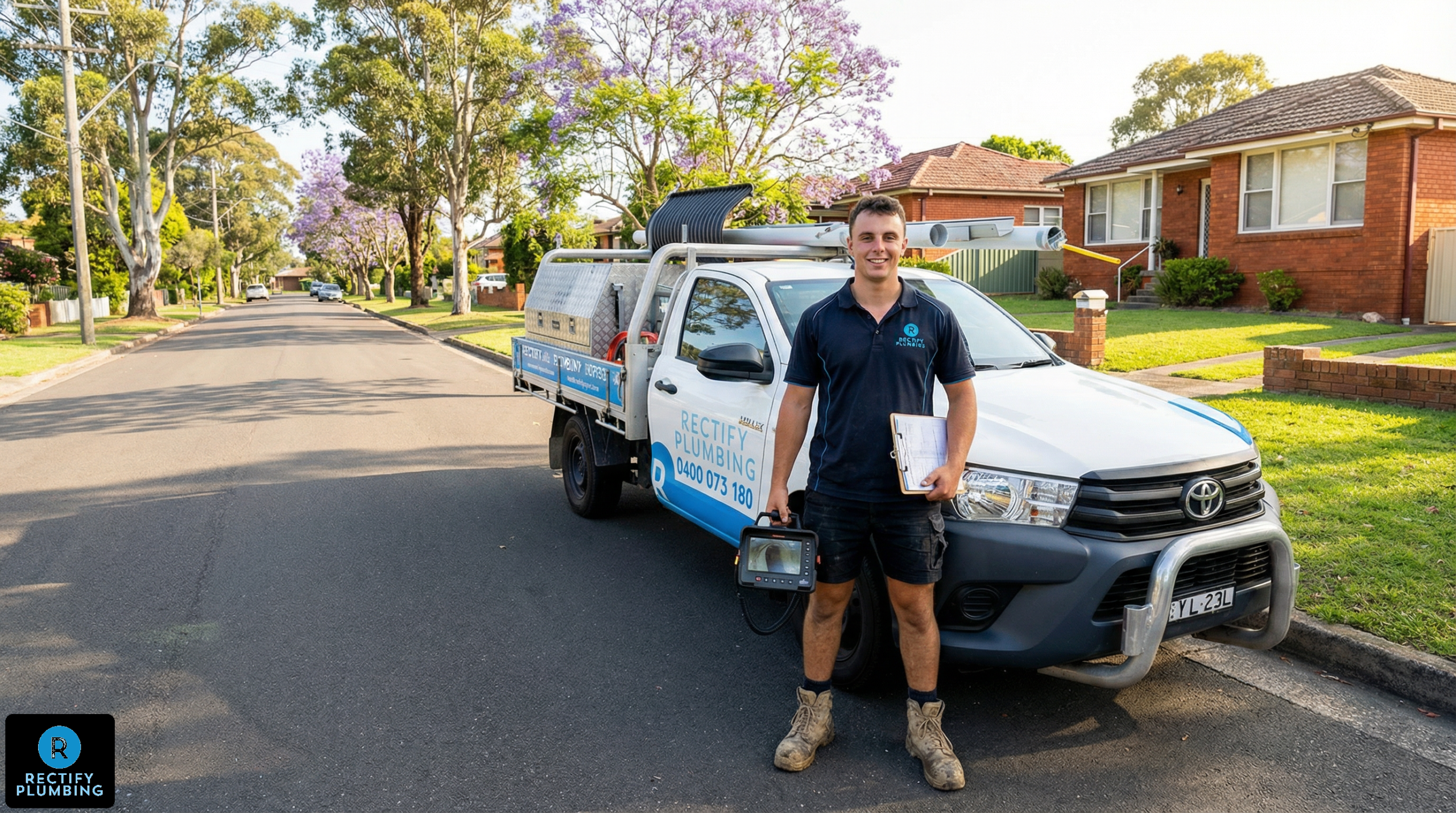
Plumbing Problems in Ryde, Carlingford & the Parramatta Area: A Local Plumber’s Guide
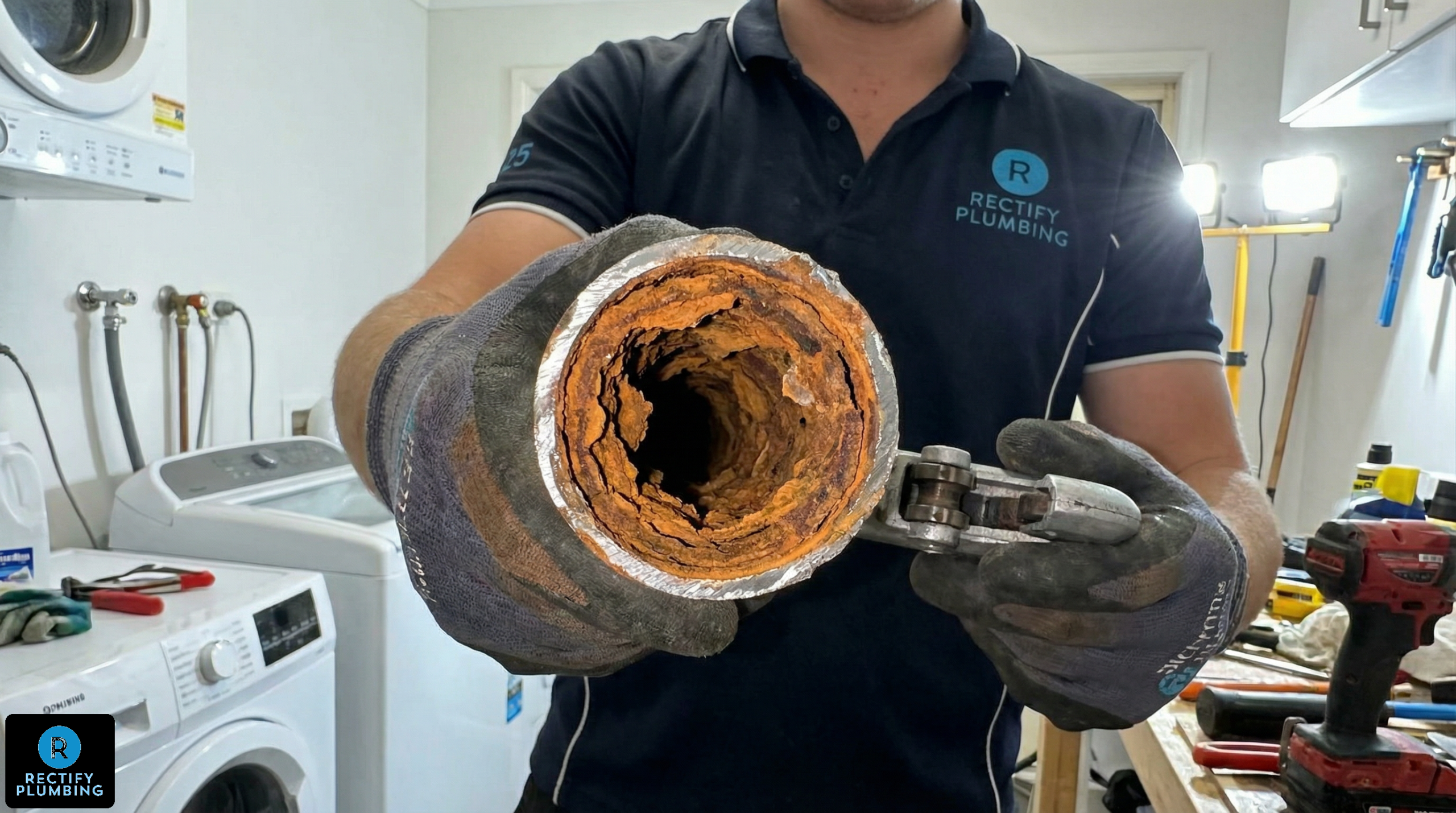 What We Do About It
In most cases the right answer for a Ryde home with significantly deteriorated galvanised pipe work is repiping — replacing the supply lines with copper or CPVC. This is a more involved job than a standard repair, but it's a permanent fix rather than a series of patches on a system that will keep causing problems. We assess the extent of the deterioration first, give you a clear picture of what's involved and what it'll cost, and work through it methodically so the house has working water throughout the process.
If the deterioration is at an early enough stage that the pipe is structurally sound but restricted, cleaning and pressure testing can sometimes extend the service life. We're honest about which situation you're in.
The Carlingford Problem: Clay Pipes, Tree Roots and Recurring Blockages
Why Carlingford Has a Specific Drain Problem
Carlingford's housing stock sits at the junction of the Hills District and the Ryde area — and the drainage infrastructure reflects that. The suburban estates built through the 1970s and early 1980s in Carlingford, North Rocks and the surrounding area used clay drainage pipes, which were standard practice at the time but are now 40 to 50 years old and showing their age.
Clay pipes in this part of Sydney are under constant pressure from the established tree canopy that's developed over the same 40 to 50 years. Liquidambars, jacarandas, camphor laurels and ornamental figs common in Carlingford gardens have root systems that actively seek moisture — and a clay drainage pipe is the most consistent moisture source on a residential block. Once a root finds a crack or a slightly separated joint in a clay pipe, it grows in.
Why the Drain Keeps Blocking After Being Cleared
The most common conversation we have with Carlingford homeowners about blocked drains goes like this: the drain blocked, someone came out and cleared it, it was fine for a few months, then it blocked again. And this cycle has repeated two or three times.
Clearing the blockage removes the root growth that's accumulated inside the pipe. It doesn't fix the crack or separated joint that the roots entered through. So within months — sometimes weeks — new root growth finds the same entry point and the blockage returns. The fix is identifying the structural issue with a CCTV drain camera and then addressing it with pipe relining — inserting a resin liner that seals the entry point from inside the pipe without excavation. One job, permanent fix.
Quick tip: If your drain has been cleared more than once in the past 12 months and it keeps coming back, ask the next plumber to put a camera down first rather than just clearing it again. You need to know what's causing the blockage, not just that it's there.
The Parramatta Problem: High-Density Living, Older Buildings and Strata Complexity
Parramatta's Unique Plumbing Environment
Parramatta is different from Ryde and Carlingford in that its plumbing challenges are as much about building type as they are about pipe age. The Parramatta CBD and surrounding areas have a mix of older low-rise buildings — some dating from the 1950s and 1960s — alongside the wave of high-rise residential development that came through in the 2000s and 2010s. Both have their own plumbing characteristics.
Older Parramatta commercial buildings often have original cast-iron or clay drainage systems and copper supply lines that have had decades of use. High-rise residential buildings have PVC drainage and copper supply in better condition, but the shared infrastructure — sewer lines that serve multiple floors, roof drainage that runs through service risers, hot water systems supplying entire buildings — creates complexity around identification, access and responsibility when something goes wrong.
Strata Plumbing — Who's Responsible for What
This is the question that generates more confusion in Parramatta apartment buildings than almost anything else. The general rule under NSW strata law is that plumbing inside the lot boundary is the lot owner's responsibility, while common property plumbing — shared drain lines, building supply risers, external connections — is the owners corporation's responsibility. But in practice, the boundary is often blurry.
A blocked drain in a ground-floor apartment might be caused by a blockage in the shared main drain — making it an owners corporation issue — or by something in the lot's internal drainage — making it the lot owner's issue. You often don't know until a camera goes in. We work with strata managers and building managers across Parramatta regularly and understand how to document findings clearly so the responsibility question gets resolved quickly rather than becoming a dispute.
Seven Hills and Merrylands — High-Volume Suburb Queries, Similar Issues
Seven Hills and Merrylands sit at the western edge of our service corridor and have the highest impression volumes of any individual suburbs in the data — 510 and 410 monthly impressions respectively, with near-zero clicks because there's no location-specific content about these suburbs on the site currently. Both areas have housing stock primarily from the 1970s and 1980s with the same galvanised pipe and clay drain characteristics as Ryde and Carlingford, plus a higher proportion of older commercial and light industrial properties along the main corridors that create commercial plumbing demand alongside residential.
Services We Provide Across This Corridor
Across Ryde, Carlingford, Parramatta, Seven Hills, Merrylands, Quakers Hill, Blacktown and the surrounding area, our team handles:
Blocked Drain Clearing and Camera Inspection
Camera first on every job — we look before we touch anything. Our CCTV drain inspection service tells us exactly what's causing the blockage before we decide on the right treatment. For most blockages in this area, jet blasting clears it in a single visit. For structural issues that will cause recurrence, relining is the permanent fix.
Hot Water Repair and Replacement
Hot water failures across this corridor are one of the most common callouts we attend — and the most common time they fail is overnight or early morning. Our hot water repair and installation team carries replacement units on the van. If the system can't be repaired on the spot, we can usually install a replacement same-visit rather than leaving you without hot water waiting for a return trip.
Burst Pipe Repair
Older galvanised and copper pipe work across Ryde and Parramatta can split without much warning — particularly during pressure fluctuations or a cold snap. Our burst pipe repair service covers the entire western Sydney corridor 24 hours a day. Turn off your main water supply immediately if you suspect a burst — every minute it runs matters for the damage it causes.
Pipe Relining
The permanent solution for recurring blocked drains, cracked clay pipes and root intrusion in the 1970s-80s housing estates across Carlingford, Seven Hills and Merrylands. Our pipe relining service uses no-excavation liner technology — we fix the pipe from inside without disturbing gardens, driveways or concrete slabs.
Gas Fitting
Gas appliance connections, new gas line installation, gas hot water system replacement and gas leak detection across the whole corridor. Our licensed gas fitting team holds licence 488202C — verifiable on the NSW Fair Trading website. All gas work comes with a Certificate of Compliance.
Commercial and Strata Plumbing
Commercial properties, strata buildings, body corporates and building managers across Parramatta, Ryde and the surrounding area. We understand strata documentation requirements and work in a way that resolves responsibility questions rather than creating them. Our full range of commercial and residential plumbing services is available across this corridor on the same rates and response times as residential jobs.
What We Do About It
In most cases the right answer for a Ryde home with significantly deteriorated galvanised pipe work is repiping — replacing the supply lines with copper or CPVC. This is a more involved job than a standard repair, but it's a permanent fix rather than a series of patches on a system that will keep causing problems. We assess the extent of the deterioration first, give you a clear picture of what's involved and what it'll cost, and work through it methodically so the house has working water throughout the process.
If the deterioration is at an early enough stage that the pipe is structurally sound but restricted, cleaning and pressure testing can sometimes extend the service life. We're honest about which situation you're in.
The Carlingford Problem: Clay Pipes, Tree Roots and Recurring Blockages
Why Carlingford Has a Specific Drain Problem
Carlingford's housing stock sits at the junction of the Hills District and the Ryde area — and the drainage infrastructure reflects that. The suburban estates built through the 1970s and early 1980s in Carlingford, North Rocks and the surrounding area used clay drainage pipes, which were standard practice at the time but are now 40 to 50 years old and showing their age.
Clay pipes in this part of Sydney are under constant pressure from the established tree canopy that's developed over the same 40 to 50 years. Liquidambars, jacarandas, camphor laurels and ornamental figs common in Carlingford gardens have root systems that actively seek moisture — and a clay drainage pipe is the most consistent moisture source on a residential block. Once a root finds a crack or a slightly separated joint in a clay pipe, it grows in.
Why the Drain Keeps Blocking After Being Cleared
The most common conversation we have with Carlingford homeowners about blocked drains goes like this: the drain blocked, someone came out and cleared it, it was fine for a few months, then it blocked again. And this cycle has repeated two or three times.
Clearing the blockage removes the root growth that's accumulated inside the pipe. It doesn't fix the crack or separated joint that the roots entered through. So within months — sometimes weeks — new root growth finds the same entry point and the blockage returns. The fix is identifying the structural issue with a CCTV drain camera and then addressing it with pipe relining — inserting a resin liner that seals the entry point from inside the pipe without excavation. One job, permanent fix.
Quick tip: If your drain has been cleared more than once in the past 12 months and it keeps coming back, ask the next plumber to put a camera down first rather than just clearing it again. You need to know what's causing the blockage, not just that it's there.
The Parramatta Problem: High-Density Living, Older Buildings and Strata Complexity
Parramatta's Unique Plumbing Environment
Parramatta is different from Ryde and Carlingford in that its plumbing challenges are as much about building type as they are about pipe age. The Parramatta CBD and surrounding areas have a mix of older low-rise buildings — some dating from the 1950s and 1960s — alongside the wave of high-rise residential development that came through in the 2000s and 2010s. Both have their own plumbing characteristics.
Older Parramatta commercial buildings often have original cast-iron or clay drainage systems and copper supply lines that have had decades of use. High-rise residential buildings have PVC drainage and copper supply in better condition, but the shared infrastructure — sewer lines that serve multiple floors, roof drainage that runs through service risers, hot water systems supplying entire buildings — creates complexity around identification, access and responsibility when something goes wrong.
Strata Plumbing — Who's Responsible for What
This is the question that generates more confusion in Parramatta apartment buildings than almost anything else. The general rule under NSW strata law is that plumbing inside the lot boundary is the lot owner's responsibility, while common property plumbing — shared drain lines, building supply risers, external connections — is the owners corporation's responsibility. But in practice, the boundary is often blurry.
A blocked drain in a ground-floor apartment might be caused by a blockage in the shared main drain — making it an owners corporation issue — or by something in the lot's internal drainage — making it the lot owner's issue. You often don't know until a camera goes in. We work with strata managers and building managers across Parramatta regularly and understand how to document findings clearly so the responsibility question gets resolved quickly rather than becoming a dispute.
Seven Hills and Merrylands — High-Volume Suburb Queries, Similar Issues
Seven Hills and Merrylands sit at the western edge of our service corridor and have the highest impression volumes of any individual suburbs in the data — 510 and 410 monthly impressions respectively, with near-zero clicks because there's no location-specific content about these suburbs on the site currently. Both areas have housing stock primarily from the 1970s and 1980s with the same galvanised pipe and clay drain characteristics as Ryde and Carlingford, plus a higher proportion of older commercial and light industrial properties along the main corridors that create commercial plumbing demand alongside residential.
Services We Provide Across This Corridor
Across Ryde, Carlingford, Parramatta, Seven Hills, Merrylands, Quakers Hill, Blacktown and the surrounding area, our team handles:
Blocked Drain Clearing and Camera Inspection
Camera first on every job — we look before we touch anything. Our CCTV drain inspection service tells us exactly what's causing the blockage before we decide on the right treatment. For most blockages in this area, jet blasting clears it in a single visit. For structural issues that will cause recurrence, relining is the permanent fix.
Hot Water Repair and Replacement
Hot water failures across this corridor are one of the most common callouts we attend — and the most common time they fail is overnight or early morning. Our hot water repair and installation team carries replacement units on the van. If the system can't be repaired on the spot, we can usually install a replacement same-visit rather than leaving you without hot water waiting for a return trip.
Burst Pipe Repair
Older galvanised and copper pipe work across Ryde and Parramatta can split without much warning — particularly during pressure fluctuations or a cold snap. Our burst pipe repair service covers the entire western Sydney corridor 24 hours a day. Turn off your main water supply immediately if you suspect a burst — every minute it runs matters for the damage it causes.
Pipe Relining
The permanent solution for recurring blocked drains, cracked clay pipes and root intrusion in the 1970s-80s housing estates across Carlingford, Seven Hills and Merrylands. Our pipe relining service uses no-excavation liner technology — we fix the pipe from inside without disturbing gardens, driveways or concrete slabs.
Gas Fitting
Gas appliance connections, new gas line installation, gas hot water system replacement and gas leak detection across the whole corridor. Our licensed gas fitting team holds licence 488202C — verifiable on the NSW Fair Trading website. All gas work comes with a Certificate of Compliance.
Commercial and Strata Plumbing
Commercial properties, strata buildings, body corporates and building managers across Parramatta, Ryde and the surrounding area. We understand strata documentation requirements and work in a way that resolves responsibility questions rather than creating them. Our full range of commercial and residential plumbing services is available across this corridor on the same rates and response times as residential jobs.
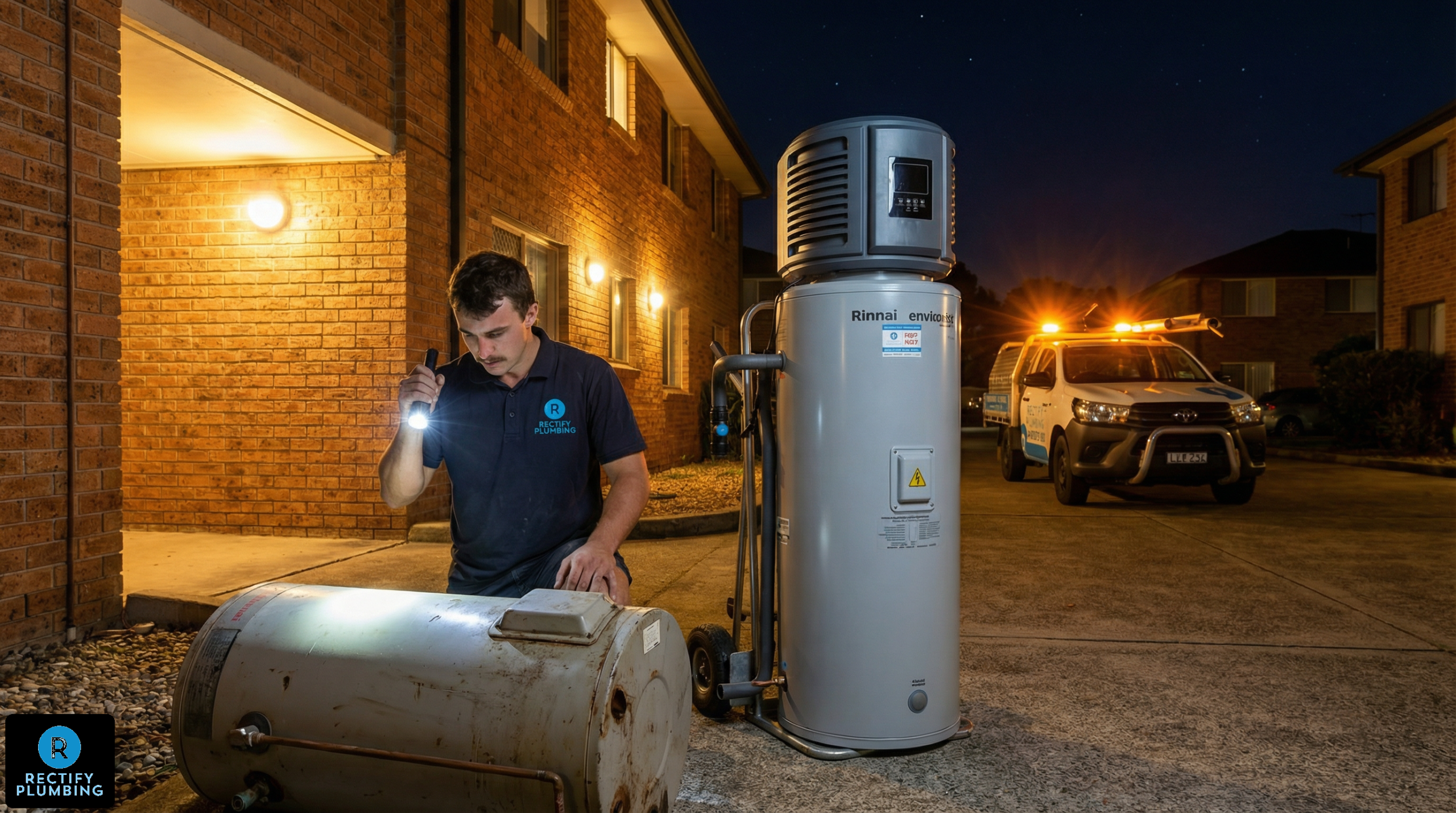
We got a call at 11pm from a family in Ryde — no hot water, two young kids, middle of winter. The gas hot water system had stopped working completely. When we arrived, we found the unit was 14 years old with a failed thermocouple and a heat exchanger that had started to corrode. Repair wasn't the right call — the unit had maybe another 12 months in it at best. We had a compatible replacement unit on the van. We installed it that night, had the family in hot water before 1am, and issued the compliance certificate before we left. The father mentioned they'd been putting off getting the system serviced for a couple of years because it was working fine. It almost always is, until it isn't.
 Signs Your Home in This Area Needs Attention — Act Before It Becomes Urgent
The most expensive plumbing jobs we do are almost always ones that were showing early signs months or years before they became emergencies. Here's what to watch for across Ryde, Carlingford and Parramatta:
Signs Your Home in This Area Needs Attention — Act Before It Becomes Urgent
The most expensive plumbing jobs we do are almost always ones that were showing early signs months or years before they became emergencies. Here's what to watch for across Ryde, Carlingford and Parramatta:
- Water pressure that's gradually getting worse — not a sudden drop, just slowly less than it used to be. In a pre-1985 Ryde home this is galvanised pipe corrosion building up.
- Hot water that runs out faster, takes longer to heat, or has never quite performed properly despite system replacements.
- Discoloured water from the hot tap — brown, rust-coloured, or with particles. The cold tap is clear but the hot tap isn't. Galvanised pipe work.
- A drain that's slow, then gets cleared, then gets slow again within months. Root intrusion through cracked clay pipe.
- Gurgling sounds from drains you're not using — a partial blockage somewhere in the shared main line, not just an individual fixture.
- A hot water system over 10 years old that hasn't been serviced.
Latest Blog
Plumbing Problems in Ryde, Carlingford & the Parramatta Area: A Local Plumber’s Guide
What We Do About It
In most cases the right answer for a Ryde home with significantly deteriorated galvanised pipe work is repiping — replacing the supply lines with copper or CPVC. This is a more involved job than a standard repair, but it's a permanent fix rather than a series of patches on a system that will keep causing problems. We assess the extent of the deterioration first, give you a clear picture of what's involved and what it'll cost, and work through it methodically so the house has working water throughout the process.
If the deterioration is at an early enough stage that the pipe is structurally sound but restricted, cleaning and pressure testing can sometimes extend the service life. We're honest about which situation you're in.
The Carlingford Problem: Clay Pipes, Tree Roots and Recurring Blockages
Why Carlingford Has a Specific Drain Problem
Carlingford's housing stock sits at the junction of the Hills District and the Ryde area — and the drainage infrastructure reflects that. The suburban estates built through the 1970s and early 1980s in Carlingford, North Rocks and the surrounding area used clay drainage pipes, which were standard practice at the time but are now 40 to 50 years old and showing their age.
Clay pipes in this part of Sydney are under constant pressure from the established tree canopy that's developed over the same 40 to 50 years. Liquidambars, jacarandas, camphor laurels and ornamental figs common in Carlingford gardens have root systems that actively seek moisture — and a clay drainage pipe is the most consistent moisture source on a residential block. Once a root finds a crack or a slightly separated joint in a clay pipe, it grows in.
Why the Drain Keeps Blocking After Being Cleared
The most common conversation we have with Carlingford homeowners about blocked drains goes like this: the drain blocked, someone came out and cleared it, it was fine for a few months, then it blocked again. And this cycle has repeated two or three times.
Clearing the blockage removes the root growth that's accumulated inside the pipe. It doesn't fix the crack or separated joint that the roots entered through. So within months — sometimes weeks — new root growth finds the same entry point and the blockage returns. The fix is identifying the structural issue with a CCTV drain camera and then addressing it with pipe relining — inserting a resin liner that seals the entry point from inside the pipe without excavation. One job, permanent fix.
Quick tip: If your drain has been cleared more than once in the past 12 months and it keeps coming back, ask the next plumber to put a camera down first rather than just clearing it again. You need to know what's causing the blockage, not just that it's there.
The Parramatta Problem: High-Density Living, Older Buildings and Strata Complexity
Parramatta's Unique Plumbing Environment
Parramatta is different from Ryde and Carlingford in that its plumbing challenges are as much about building type as they are about pipe age. The Parramatta CBD and surrounding areas have a mix of older low-rise buildings — some dating from the 1950s and 1960s — alongside the wave of high-rise residential development that came through in the 2000s and 2010s. Both have their own plumbing characteristics.
Older Parramatta commercial buildings often have original cast-iron or clay drainage systems and copper supply lines that have had decades of use. High-rise residential buildings have PVC drainage and copper supply in better condition, but the shared infrastructure — sewer lines that serve multiple floors, roof drainage that runs through service risers, hot water systems supplying entire buildings — creates complexity around identification, access and responsibility when something goes wrong.
Strata Plumbing — Who's Responsible for What
This is the question that generates more confusion in Parramatta apartment buildings than almost anything else. The general rule under NSW strata law is that plumbing inside the lot boundary is the lot owner's responsibility, while common property plumbing — shared drain lines, building supply risers, external connections — is the owners corporation's responsibility. But in practice, the boundary is often blurry.
A blocked drain in a ground-floor apartment might be caused by a blockage in the shared main drain — making it an owners corporation issue — or by something in the lot's internal drainage — making it the lot owner's issue. You often don't know until a camera goes in. We work with strata managers and building managers across Parramatta regularly and understand how to document findings clearly so the responsibility question gets resolved quickly rather than becoming a dispute.
Seven Hills and Merrylands — High-Volume Suburb Queries, Similar Issues
Seven Hills and Merrylands sit at the western edge of our service corridor and have the highest impression volumes of any individual suburbs in the data — 510 and 410 monthly impressions respectively, with near-zero clicks because there's no location-specific content about these suburbs on the site currently. Both areas have housing stock primarily from the 1970s and 1980s with the same galvanised pipe and clay drain characteristics as Ryde and Carlingford, plus a higher proportion of older commercial and light industrial properties along the main corridors that create commercial plumbing demand alongside residential.
Services We Provide Across This Corridor
Across Ryde, Carlingford, Parramatta, Seven Hills, Merrylands, Quakers Hill, Blacktown and the surrounding area, our team handles:
Blocked Drain Clearing and Camera Inspection
Camera first on every job — we look before we touch anything. Our CCTV drain inspection service tells us exactly what's causing the blockage before we decide on the right treatment. For most blockages in this area, jet blasting clears it in a single visit. For structural issues that will cause recurrence, relining is the permanent fix.
Hot Water Repair and Replacement
Hot water failures across this corridor are one of the most common callouts we attend — and the most common time they fail is overnight or early morning. Our hot water repair and installation team carries replacement units on the van. If the system can't be repaired on the spot, we can usually install a replacement same-visit rather than leaving you without hot water waiting for a return trip.
Burst Pipe Repair
Older galvanised and copper pipe work across Ryde and Parramatta can split without much warning — particularly during pressure fluctuations or a cold snap. Our burst pipe repair service covers the entire western Sydney corridor 24 hours a day. Turn off your main water supply immediately if you suspect a burst — every minute it runs matters for the damage it causes.
Pipe Relining
The permanent solution for recurring blocked drains, cracked clay pipes and root intrusion in the 1970s-80s housing estates across Carlingford, Seven Hills and Merrylands. Our pipe relining service uses no-excavation liner technology — we fix the pipe from inside without disturbing gardens, driveways or concrete slabs.
Gas Fitting
Gas appliance connections, new gas line installation, gas hot water system replacement and gas leak detection across the whole corridor. Our licensed gas fitting team holds licence 488202C — verifiable on the NSW Fair Trading website. All gas work comes with a Certificate of Compliance.
Commercial and Strata Plumbing
Commercial properties, strata buildings, body corporates and building managers across Parramatta, Ryde and the surrounding area. We understand strata documentation requirements and work in a way that resolves responsibility questions rather than creating them. Our full range of commercial and residential plumbing services is available across this corridor on the same rates and response times as residential jobs.
We got a call at 11pm from a family in Ryde — no hot water, two young kids, middle of winter. The gas hot water system had stopped working completely. When we arrived, we found the unit was 14 years old with a failed thermocouple and a heat exchanger that had started to corrode. Repair wasn't the right call — the unit had maybe another 12 months in it at best. We had a compatible replacement unit on the van. We installed it that night, had the family in hot water before 1am, and issued the compliance certificate before we left. The father mentioned they'd been putting off getting the system serviced for a couple of years because it was working fine. It almost always is, until it isn't.
Signs Your Home in This Area Needs Attention — Act Before It Becomes Urgent
The most expensive plumbing jobs we do are almost always ones that were showing early signs months or years before they became emergencies. Here's what to watch for across Ryde, Carlingford and Parramatta:
- Water pressure that's gradually getting worse — not a sudden drop, just slowly less than it used to be. In a pre-1985 Ryde home this is galvanised pipe corrosion building up.
- Hot water that runs out faster, takes longer to heat, or has never quite performed properly despite system replacements.
- Discoloured water from the hot tap — brown, rust-coloured, or with particles. The cold tap is clear but the hot tap isn't. Galvanised pipe work.
- A drain that's slow, then gets cleared, then gets slow again within months. Root intrusion through cracked clay pipe.
- Gurgling sounds from drains you're not using — a partial blockage somewhere in the shared main line, not just an individual fixture.
- A hot water system over 10 years old that hasn't been serviced.
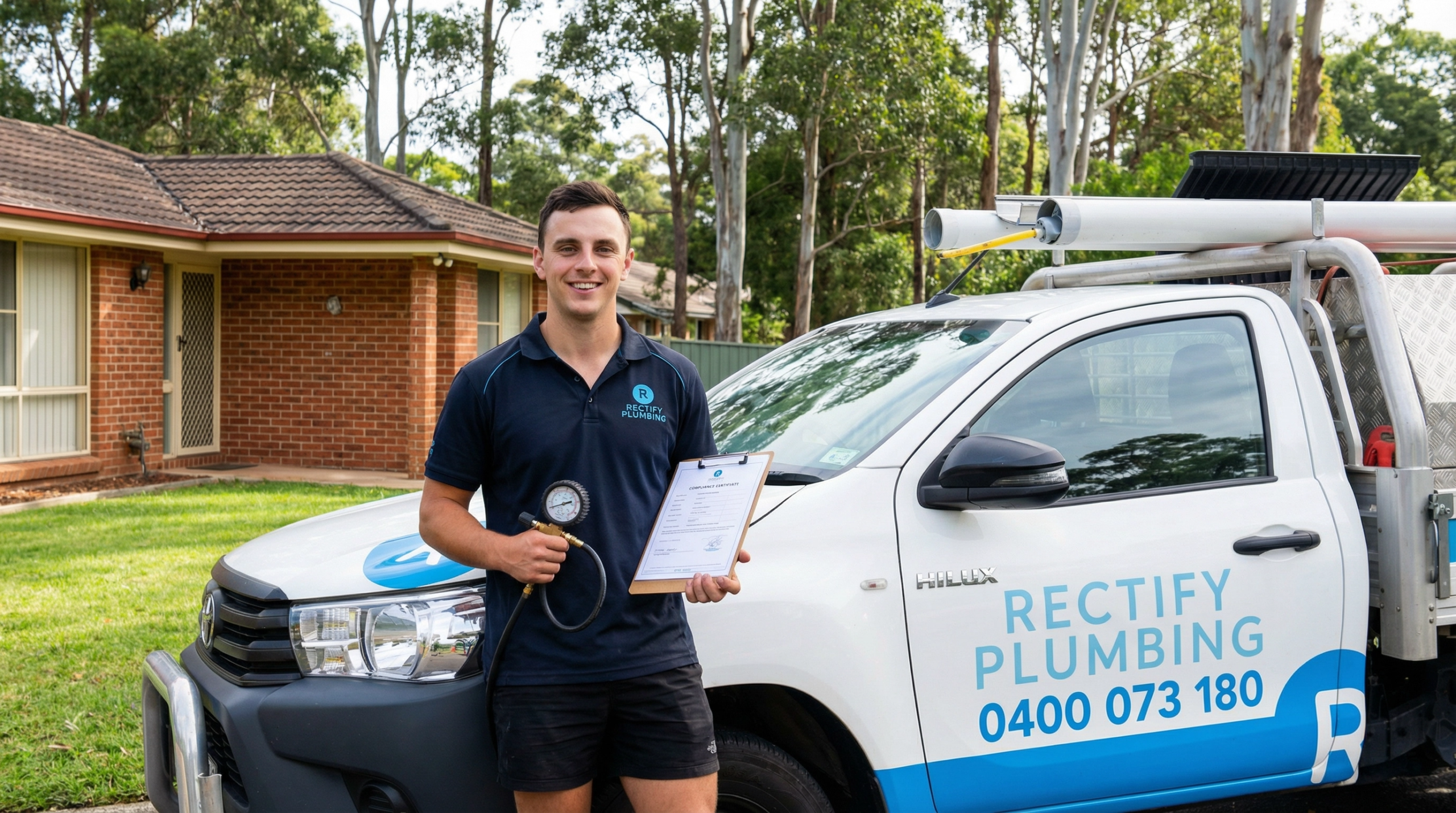
Gas Plumbing in Sydney: What Needs a Licensed Gas Fitter — and What Happens If You DIY
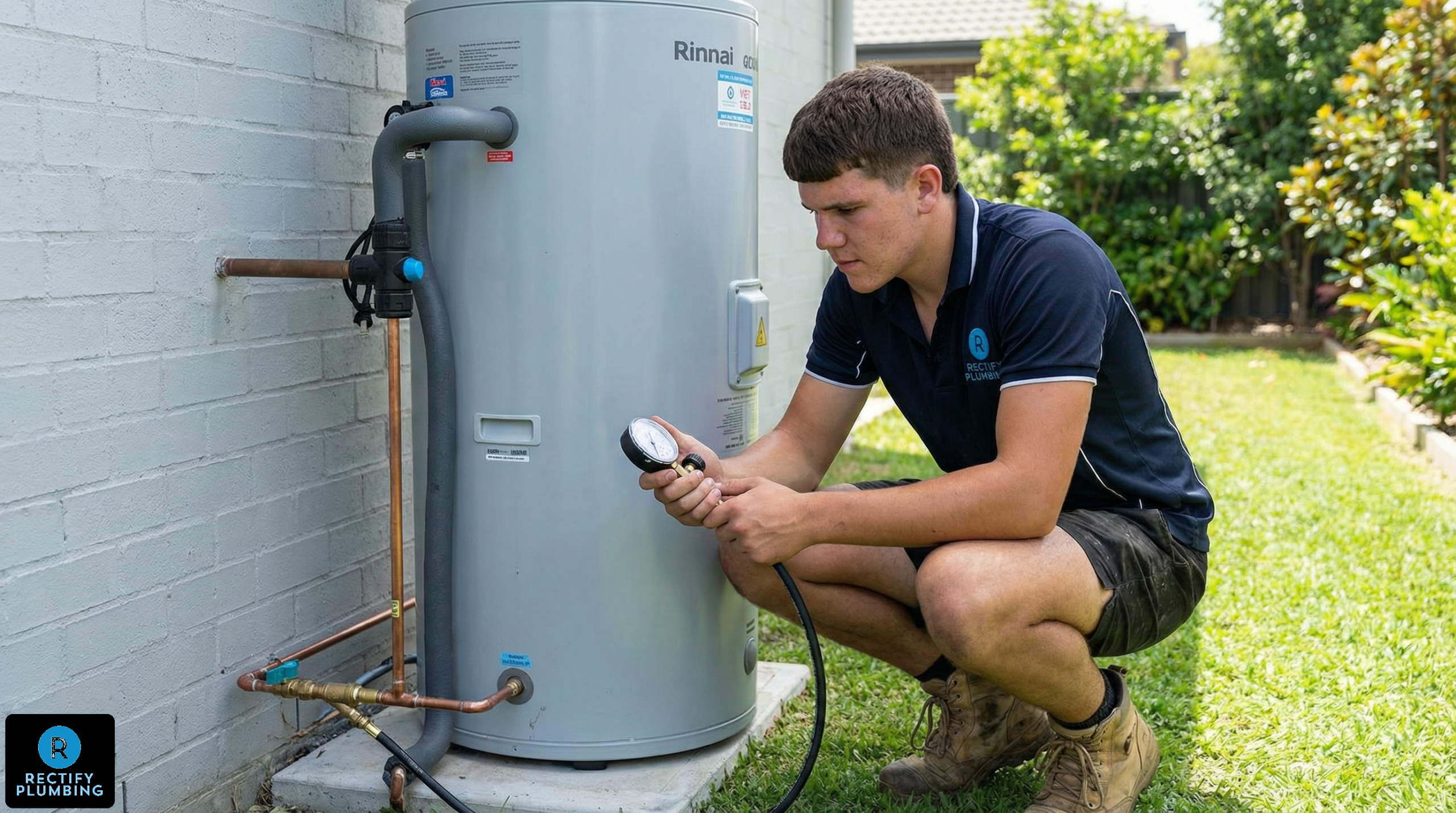 Gas Fitting Is a Licensed Trade — Separate from Plumbing
In NSW, gas fitting and plumbing are regulated separately under the Home Building Act 1989 and the Gas and Electricity (Consumer Safety) Act 2017. A plumbing licence does not automatically authorise gas fitting work. A licensed plumber who has not completed the specific gas fitting endorsement cannot legally work on your gas system — even if they're fully licensed to do everything else.
When you call a tradesperson for gas work, ask specifically whether they hold a gas fitting endorsement on their plumbing licence. A general plumbing licence alone is not sufficient. Rectify Plumbing holds both — licence number 488202C, verifiable at NSW Fair Trading — which is why we handle everything from gas line installation to appliance connection to compliance testing in a single visit.
What Counts as Gas Work Under NSW Law
The scope of what requires a licence is broader than most homeowners expect. Under Australian Standard AS/NZS 5601, which governs gas installations in Australia, licensed gas fitting work includes:
Gas Fitting Is a Licensed Trade — Separate from Plumbing
In NSW, gas fitting and plumbing are regulated separately under the Home Building Act 1989 and the Gas and Electricity (Consumer Safety) Act 2017. A plumbing licence does not automatically authorise gas fitting work. A licensed plumber who has not completed the specific gas fitting endorsement cannot legally work on your gas system — even if they're fully licensed to do everything else.
When you call a tradesperson for gas work, ask specifically whether they hold a gas fitting endorsement on their plumbing licence. A general plumbing licence alone is not sufficient. Rectify Plumbing holds both — licence number 488202C, verifiable at NSW Fair Trading — which is why we handle everything from gas line installation to appliance connection to compliance testing in a single visit.
What Counts as Gas Work Under NSW Law
The scope of what requires a licence is broader than most homeowners expect. Under Australian Standard AS/NZS 5601, which governs gas installations in Australia, licensed gas fitting work includes:
- Installing, altering, extending or repairing any gas fitting — including supply pipes, valves, flexible connectors and appliance connections
- Connecting or disconnecting any gas appliance from a fixed supply — cooktops, ovens, gas heaters, hot water systems, pool heaters, outdoor kitchen equipment
- Installing new gas points or extending existing gas lines — including outdoor BBQ points, fire pit connections and outdoor kitchen supplies
- Commissioning and pressure testing any gas installation after work is complete
- Gas leak detection and repair on fixed installations
We attended a property in Hornsby last year that had been sold six months earlier. The new owners had discovered during the sale process that the gas cooktop — installed by the previous owners as part of a kitchen renovation — had no compliance certificate. The previous owners had connected it themselves. We inspected the installation: the flexible connector was the wrong type for the appliance, the isolation valve was positioned incorrectly, and the connection had not been pressure tested. The installation had been in use for three years. We disconnected it, replaced the connector and valve, pressure tested the connection, and issued the compliance certificate. The house had been occupied for three years with a gas installation that had never been properly tested.How to Check a Gas Fitter Is Licensed in NSW
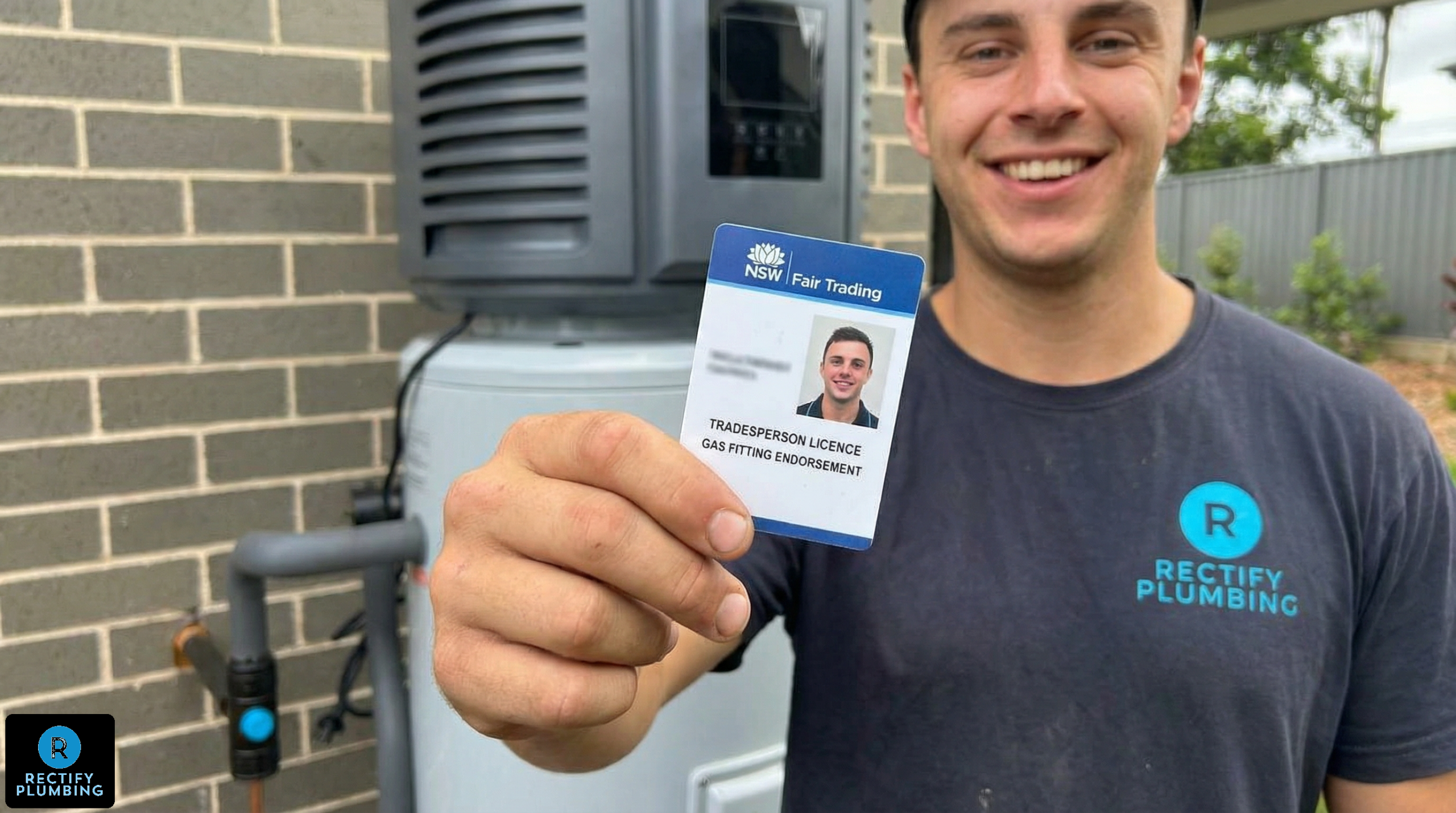 The NSW Fair Trading Licence Check
The NSW Government maintains a public licence register at www.fairtrading.nsw.gov.au. You can search by the tradesperson's name or licence number to confirm they hold a current plumbing and drainage licence with a gas fitting endorsement. Both the licence and the endorsement need to be current — a licence that has lapsed or an endorsement that was not renewed does not authorise gas fitting work.
This takes about 30 seconds and can be done from your phone. We encourage every customer to check before booking any gas tradesperson — including us. Rectify Plumbing's licence number is 488202C. Look it up. Confirm the gas fitting endorsement is current. That's exactly what you should do with anyone who works on your gas system.
What to Ask Before Work Starts
Three questions before any gas work begins on your property:
The NSW Fair Trading Licence Check
The NSW Government maintains a public licence register at www.fairtrading.nsw.gov.au. You can search by the tradesperson's name or licence number to confirm they hold a current plumbing and drainage licence with a gas fitting endorsement. Both the licence and the endorsement need to be current — a licence that has lapsed or an endorsement that was not renewed does not authorise gas fitting work.
This takes about 30 seconds and can be done from your phone. We encourage every customer to check before booking any gas tradesperson — including us. Rectify Plumbing's licence number is 488202C. Look it up. Confirm the gas fitting endorsement is current. That's exactly what you should do with anyone who works on your gas system.
What to Ask Before Work Starts
Three questions before any gas work begins on your property:
- Are you licensed for gas fitting in NSW specifically — not just general plumbing?
- Can I have your licence number to verify on Fair Trading before you start?
- Will I receive a Certificate of Compliance when the job is complete?
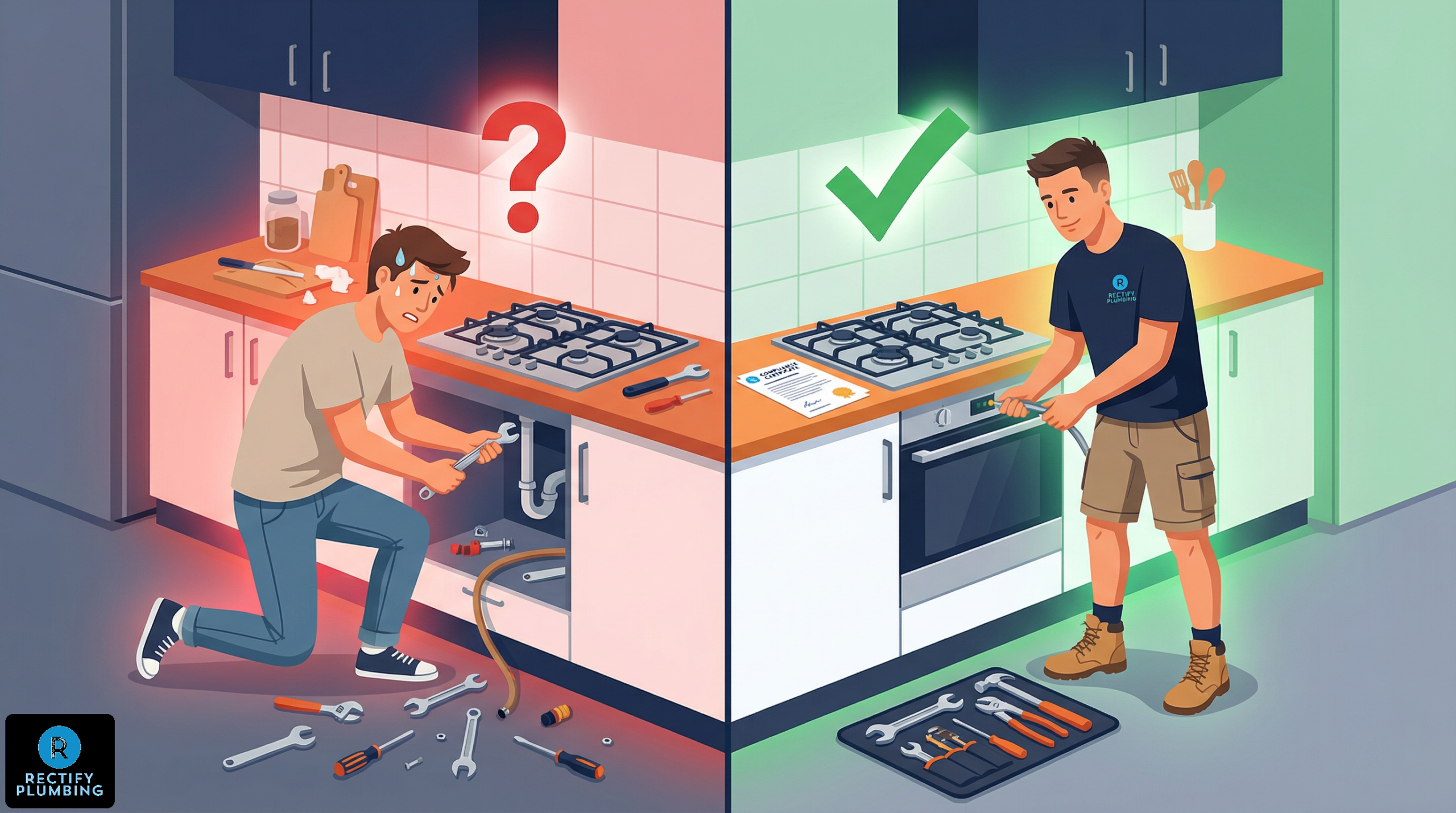 Our gas plumbing team handles the full range of residential and light commercial gas work across Sydney's North Shore, Hills District, Central Coast and inner west. Here's what we do regularly:
Gas Appliance Installation and Connection
Cooktops, ovens, gas heaters, pool and spa heaters, outdoor kitchen equipment. Every connection includes an appropriate isolation valve, the correct flexible connector for the appliance type, and a pressure test before the appliance is commissioned. Every job produces a compliance certificate.
Gas Hot Water System Installation and Replacement
Gas hot water is the most common gas job we handle. Storage systems, continuous flow, and heat pump-gas hybrid systems across all major brands. Our hot water installation and repair team carries common replacement units on the van for same-day installation — including emergency replacements when a system fails overnight. All hot water installations include gas commissioning and compliance certification as standard.
New Gas Lines and Outdoor Gas Points
Running a new gas supply line from your existing gas meter — for an outdoor BBQ point, a fire pit connection, an outdoor kitchen, or a new appliance location inside the home. We design the line to deliver the correct flow rate for the appliances it will supply, install isolation valves at appropriate points, and pressure test the entire installation before certifying.
Gas Leak Detection and Repair
If you can smell gas — even faintly, even intermittently — treat it seriously and call us. We use gas detection equipment to locate leaks in supply lines, at appliance connections, and at meter fittings. We do not try to locate leaks by smell alone or by turning appliances on and off. Detection equipment finds small leaks that haven't yet reached a concentration you can detect reliably.
Compliance Inspections for Property Sales and Renovations
If you're selling a property and need compliance documentation for existing gas installations, or if you're buying a property and want the gas system inspected before settlement, we carry out compliance inspections and issue certificates for installations that meet the standard. A preventative maintenance inspection that includes the gas system is something we recommend for any home over 15 years old — gas flexible connectors have a service life that most homeowners are unaware of.
Suburbs We Service for Gas Work
Our gas fitting team based in Berowra and Berowra Heights services the North Shore, Upper North Shore and Hills District as our home ground — Hornsby, Waitara, Asquith, Mount Colah, Turramurra, St Ives, Pymble, Gordon, Castle Hill, Dural, Epping, Carlingford, Chatswood, and surrounding suburbs. We also cover the Central Coast and inner west. If you're not sure whether we service your area, call us — the answer is almost certainly yes.
Get the Gas Work Done Right — First Time
Gas plumbing is not an area where cutting corners saves money. The short-term saving of not paying a licensed gas fitter is routinely outweighed by insurance complications, compliance issues at property sale, and in the worst cases, outcomes that no amount of money can fix.
Rectify Plumbing holds a current gas fitting licence — number 488202C, verifiable at NSW Fair Trading in 30 seconds. Every gas job we complete includes a pressure test and a Certificate of Compliance as a matter of course. We work across Berowra, Berowra Heights, Hornsby, Castle Hill, Epping, Carlingford, Chatswood and wider Sydney — 24 hours a day for gas emergencies.
Browse our full range of gas plumbing and general plumbing services or call Jake directly on 0400 073 180 any time. If you can smell gas right now, get outside first and call from there.
Request a Quote or Make an Enquiry → rectifyplumbing.com.au
------------------------------------------------------------------------------------------------------------------
[service_faqs]
Our gas plumbing team handles the full range of residential and light commercial gas work across Sydney's North Shore, Hills District, Central Coast and inner west. Here's what we do regularly:
Gas Appliance Installation and Connection
Cooktops, ovens, gas heaters, pool and spa heaters, outdoor kitchen equipment. Every connection includes an appropriate isolation valve, the correct flexible connector for the appliance type, and a pressure test before the appliance is commissioned. Every job produces a compliance certificate.
Gas Hot Water System Installation and Replacement
Gas hot water is the most common gas job we handle. Storage systems, continuous flow, and heat pump-gas hybrid systems across all major brands. Our hot water installation and repair team carries common replacement units on the van for same-day installation — including emergency replacements when a system fails overnight. All hot water installations include gas commissioning and compliance certification as standard.
New Gas Lines and Outdoor Gas Points
Running a new gas supply line from your existing gas meter — for an outdoor BBQ point, a fire pit connection, an outdoor kitchen, or a new appliance location inside the home. We design the line to deliver the correct flow rate for the appliances it will supply, install isolation valves at appropriate points, and pressure test the entire installation before certifying.
Gas Leak Detection and Repair
If you can smell gas — even faintly, even intermittently — treat it seriously and call us. We use gas detection equipment to locate leaks in supply lines, at appliance connections, and at meter fittings. We do not try to locate leaks by smell alone or by turning appliances on and off. Detection equipment finds small leaks that haven't yet reached a concentration you can detect reliably.
Compliance Inspections for Property Sales and Renovations
If you're selling a property and need compliance documentation for existing gas installations, or if you're buying a property and want the gas system inspected before settlement, we carry out compliance inspections and issue certificates for installations that meet the standard. A preventative maintenance inspection that includes the gas system is something we recommend for any home over 15 years old — gas flexible connectors have a service life that most homeowners are unaware of.
Suburbs We Service for Gas Work
Our gas fitting team based in Berowra and Berowra Heights services the North Shore, Upper North Shore and Hills District as our home ground — Hornsby, Waitara, Asquith, Mount Colah, Turramurra, St Ives, Pymble, Gordon, Castle Hill, Dural, Epping, Carlingford, Chatswood, and surrounding suburbs. We also cover the Central Coast and inner west. If you're not sure whether we service your area, call us — the answer is almost certainly yes.
Get the Gas Work Done Right — First Time
Gas plumbing is not an area where cutting corners saves money. The short-term saving of not paying a licensed gas fitter is routinely outweighed by insurance complications, compliance issues at property sale, and in the worst cases, outcomes that no amount of money can fix.
Rectify Plumbing holds a current gas fitting licence — number 488202C, verifiable at NSW Fair Trading in 30 seconds. Every gas job we complete includes a pressure test and a Certificate of Compliance as a matter of course. We work across Berowra, Berowra Heights, Hornsby, Castle Hill, Epping, Carlingford, Chatswood and wider Sydney — 24 hours a day for gas emergencies.
Browse our full range of gas plumbing and general plumbing services or call Jake directly on 0400 073 180 any time. If you can smell gas right now, get outside first and call from there.
Request a Quote or Make an Enquiry → rectifyplumbing.com.au
------------------------------------------------------------------------------------------------------------------
[service_faqs]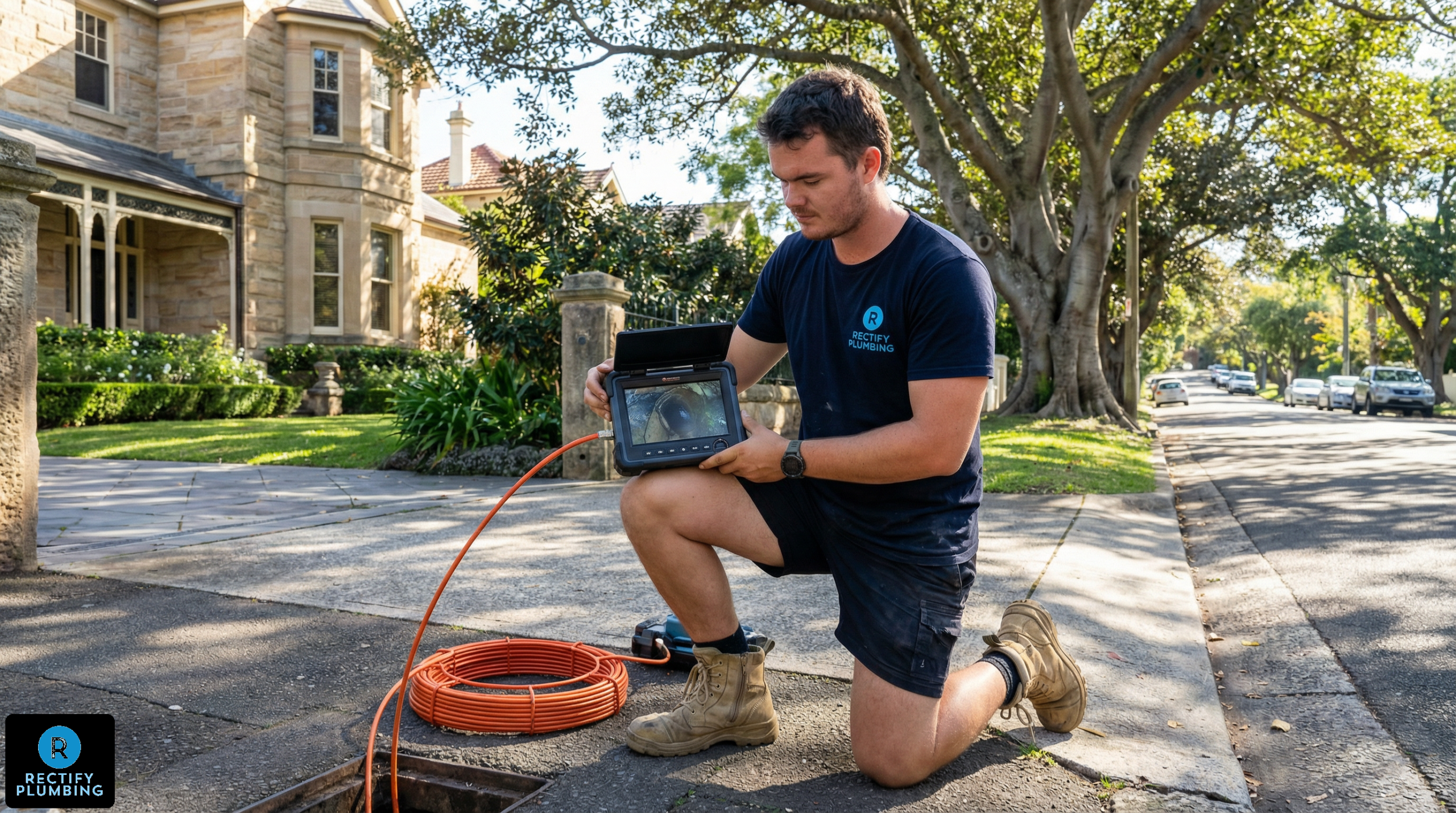
Blocked Drains in Chatswood, Mosman & the Lower North Shore: What’s Actually Causing Them
 The Pipes Are Old — Really Old in Some Streets
A large proportion of homes in Mosman, Chatswood, Castlecrag, Willoughby and the surrounding suburbs were built between the 1920s and the 1960s. The drainage pipes installed during that era were predominantly terracotta clay or cast iron. Both materials were the right choice for their time. But they were installed between 60 and 100 years ago, and neither lasts indefinitely.
Clay pipes develop hairline cracks over time as the ground moves. Joints that were mortared together start to separate. Cast iron corrodes slowly from the outside in areas with moisture. None of this happens overnight — it's a gradual process that happens over decades — but the result is a network of pipes across many lower North Shore streets that have multiple points of weakness, even if they're still technically functioning.
The moment a pipe develops a crack or a gap at a joint, it becomes a target for tree roots. And this is where the lower North Shore's second major problem comes in.
The Tree Root Problem Is Worse Here Than Almost Anywhere Else in Sydney
The lower North Shore has some of the most significant residential tree canopy in Sydney. Heritage properties in Mosman and Castlecrag typically sit on large blocks with established trees that have been growing for 50 to 80 years. Moreton Bay figs, Port Jackson figs, liquidambars, camphor laurels — these are species with extensive, aggressive root systems that actively seek out moisture underground.
A fig tree root can travel 10 to 15 metres laterally from the base of the tree in its search for water. And the most reliable source of water in a residential block is a drainage pipe carrying household wastewater. Once a root finds a crack in a clay pipe, it doesn't stop. Left for two or three years without intervention, a root intrusion can completely fill a 100mm pipe and cause chronic blockages that come back every few weeks regardless of how many times the drain is cleared.
The Chatswood Apartment Problem
Chatswood has a different character from Mosman — it's been significantly developed over the past 20 years with high-rise residential and commercial buildings alongside its older housing stock. That mix creates a specific drainage issue: shared sewer infrastructure serving multiple tenancies, grease buildup from the commercial strips near the station and shopping precinct, and building managers trying to identify who's responsible when something blocks in a line shared between multiple units.
In apartment buildings, blocked shared drain lines often go unreported by individual tenants who assume someone else is dealing with it — until the backup is severe enough to affect multiple units simultaneously. By that point, what could have been a straightforward drain clear has become a much larger job.
Quick tip: If you're a strata manager or property manager in Chatswood and you've had multiple tenants report slow drains in the same period, that's almost always one blockage in a shared line — not several individual problems. One camera inspection identifies it and one jet blast fixes it.
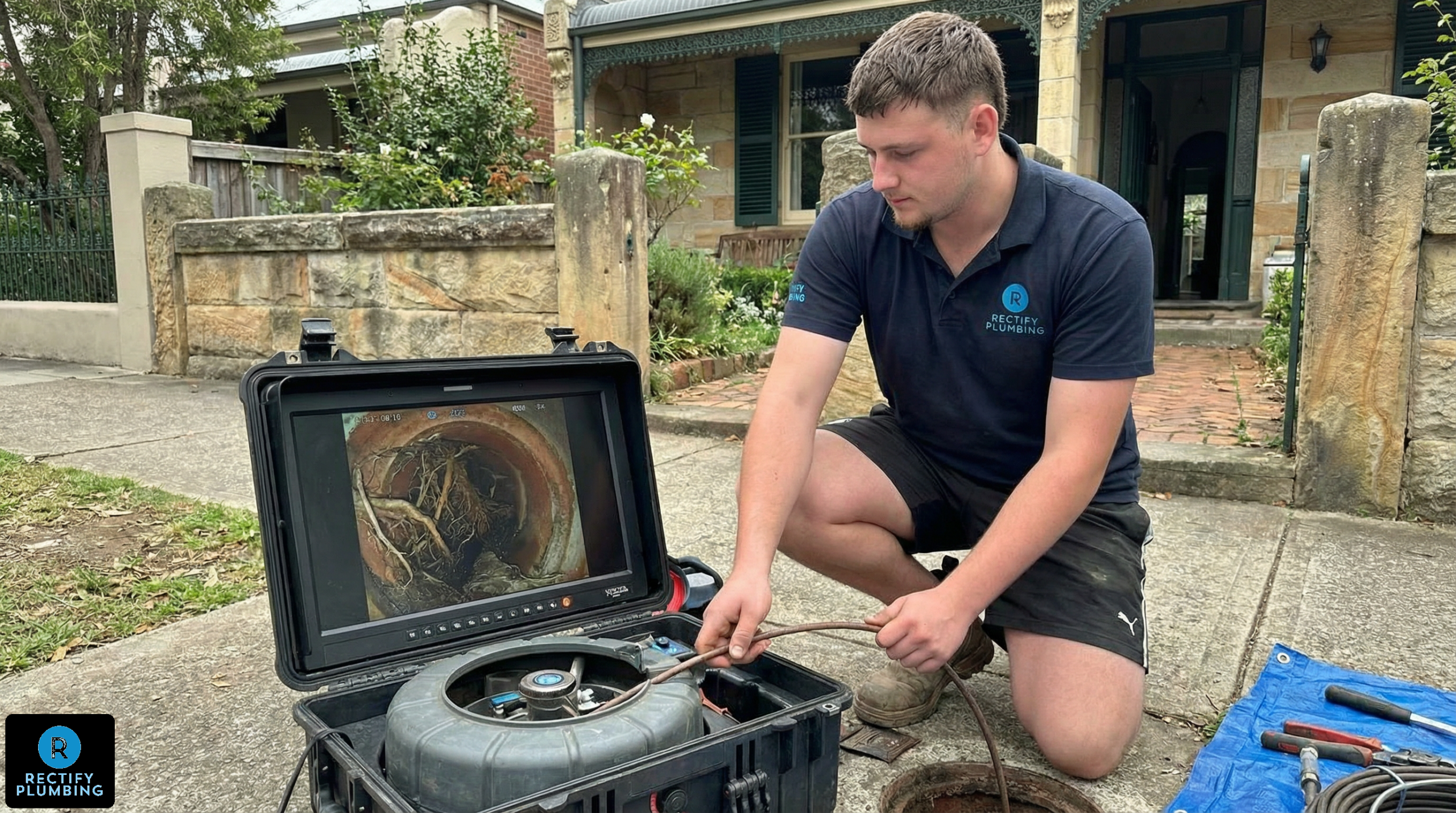
What We Actually Find When We Put the Camera Down
The camera goes in first — always. And what it shows us in this area is fairly consistent across jobs.
Root Intrusion at Pipe Joints and Cracks
By far the most common finding across Mosman, Castlecrag, Willoughby and the older parts of Chatswood is root intrusion. Usually at pipe joints that have separated enough to allow entry, sometimes through cracks in the pipe wall itself. In some cases the roots are a relatively recent intrusion — a few centimetres of fine root growth that jet blasting removes cleanly. In others we find established root masses that have been growing in the pipe for years.
Our CCTV drain camera gives us a precise location and a clear picture of how extensive the intrusion is before we do anything. That tells us whether we're looking at a jet blast job or whether the pipe has structural issues that will cause the same problem to return.
The Pipes Are Old — Really Old in Some Streets
A large proportion of homes in Mosman, Chatswood, Castlecrag, Willoughby and the surrounding suburbs were built between the 1920s and the 1960s. The drainage pipes installed during that era were predominantly terracotta clay or cast iron. Both materials were the right choice for their time. But they were installed between 60 and 100 years ago, and neither lasts indefinitely.
Clay pipes develop hairline cracks over time as the ground moves. Joints that were mortared together start to separate. Cast iron corrodes slowly from the outside in areas with moisture. None of this happens overnight — it's a gradual process that happens over decades — but the result is a network of pipes across many lower North Shore streets that have multiple points of weakness, even if they're still technically functioning.
The moment a pipe develops a crack or a gap at a joint, it becomes a target for tree roots. And this is where the lower North Shore's second major problem comes in.
The Tree Root Problem Is Worse Here Than Almost Anywhere Else in Sydney
The lower North Shore has some of the most significant residential tree canopy in Sydney. Heritage properties in Mosman and Castlecrag typically sit on large blocks with established trees that have been growing for 50 to 80 years. Moreton Bay figs, Port Jackson figs, liquidambars, camphor laurels — these are species with extensive, aggressive root systems that actively seek out moisture underground.
A fig tree root can travel 10 to 15 metres laterally from the base of the tree in its search for water. And the most reliable source of water in a residential block is a drainage pipe carrying household wastewater. Once a root finds a crack in a clay pipe, it doesn't stop. Left for two or three years without intervention, a root intrusion can completely fill a 100mm pipe and cause chronic blockages that come back every few weeks regardless of how many times the drain is cleared.
The Chatswood Apartment Problem
Chatswood has a different character from Mosman — it's been significantly developed over the past 20 years with high-rise residential and commercial buildings alongside its older housing stock. That mix creates a specific drainage issue: shared sewer infrastructure serving multiple tenancies, grease buildup from the commercial strips near the station and shopping precinct, and building managers trying to identify who's responsible when something blocks in a line shared between multiple units.
In apartment buildings, blocked shared drain lines often go unreported by individual tenants who assume someone else is dealing with it — until the backup is severe enough to affect multiple units simultaneously. By that point, what could have been a straightforward drain clear has become a much larger job.
Quick tip: If you're a strata manager or property manager in Chatswood and you've had multiple tenants report slow drains in the same period, that's almost always one blockage in a shared line — not several individual problems. One camera inspection identifies it and one jet blast fixes it.
What We Actually Find When We Put the Camera Down
The camera goes in first — always. And what it shows us in this area is fairly consistent across jobs.
Root Intrusion at Pipe Joints and Cracks
By far the most common finding across Mosman, Castlecrag, Willoughby and the older parts of Chatswood is root intrusion. Usually at pipe joints that have separated enough to allow entry, sometimes through cracks in the pipe wall itself. In some cases the roots are a relatively recent intrusion — a few centimetres of fine root growth that jet blasting removes cleanly. In others we find established root masses that have been growing in the pipe for years.
Our CCTV drain camera gives us a precise location and a clear picture of how extensive the intrusion is before we do anything. That tells us whether we're looking at a jet blast job or whether the pipe has structural issues that will cause the same problem to return.
 Pipe Sections That Have Started to Collapse
In the oldest properties — particularly those built before the 1950s — we occasionally find sections of clay pipe that have started to sag or partially collapse rather than just crack. This creates a low point in the drainage line where water pools and debris accumulates, causing repeated blockages that have nothing to do with root intrusion. Clearing these drains gives temporary relief but the low point in the pipe will keep catching debris until the underlying structural issue is addressed.
Grease Buildup in Kitchen Drain Lines
Less dramatic than roots but extremely common, particularly in areas with a lot of terrace houses and older kitchen configurations where the drain run to the sewer is long. Years of cooking fat going down the sink — even in small quantities — builds up as a coating on the inside of the pipe that gradually narrows the diameter. When we jet blast a grease-blocked kitchen drain, the volume of material that comes out is often surprising to homeowners who assumed their drain was fine because it was only 'a bit slow.'
Jet Blasting vs Pipe Relining — Which One Is Right?
This is the question we get asked most often on jobs in this area, and the answer depends entirely on what the camera shows.
When Jet Blasting Is the Right Answer
If the camera shows a clear blockage — roots, grease, debris — but the pipe itself is structurally intact with no significant cracks or separating joints, jet blasting is the right treatment. Our jet blasting service fires a focused high-pressure water stream through the pipe, cutting through root growth, stripping grease from the pipe walls, and flushing everything clear. On a structurally sound pipe, a good jet blast leaves the drainage line performing like new. The camera goes back in after to confirm it's clear.
Jet blasting is also the right first step even when the pipe does have structural issues — it clears the blockage so we can assess the pipe condition properly without the obstruction in the way.
When Pipe Relining Is the Better Long-Term Answer
If the camera reveals cracked sections, separated joints, or points where roots have entered the pipe, clearing the blockage addresses the symptom but not the cause. The same root intrusion will recur within months — sometimes weeks — because the entry point is still there. In these cases, pipe relining is the fix that actually solves the problem.
Relining involves inserting a flexible resin-impregnated liner into the damaged pipe and curing it in place. Once set, it creates a smooth, seamless new pipe surface inside the existing pipe — one that roots can't penetrate and that corrects minor structural deformation. It's particularly well suited to the lower North Shore because it works without excavation, which matters enormously when pipes run under sandstone foundations, established gardens, or heritage landscaping.
Pipe Sections That Have Started to Collapse
In the oldest properties — particularly those built before the 1950s — we occasionally find sections of clay pipe that have started to sag or partially collapse rather than just crack. This creates a low point in the drainage line where water pools and debris accumulates, causing repeated blockages that have nothing to do with root intrusion. Clearing these drains gives temporary relief but the low point in the pipe will keep catching debris until the underlying structural issue is addressed.
Grease Buildup in Kitchen Drain Lines
Less dramatic than roots but extremely common, particularly in areas with a lot of terrace houses and older kitchen configurations where the drain run to the sewer is long. Years of cooking fat going down the sink — even in small quantities — builds up as a coating on the inside of the pipe that gradually narrows the diameter. When we jet blast a grease-blocked kitchen drain, the volume of material that comes out is often surprising to homeowners who assumed their drain was fine because it was only 'a bit slow.'
Jet Blasting vs Pipe Relining — Which One Is Right?
This is the question we get asked most often on jobs in this area, and the answer depends entirely on what the camera shows.
When Jet Blasting Is the Right Answer
If the camera shows a clear blockage — roots, grease, debris — but the pipe itself is structurally intact with no significant cracks or separating joints, jet blasting is the right treatment. Our jet blasting service fires a focused high-pressure water stream through the pipe, cutting through root growth, stripping grease from the pipe walls, and flushing everything clear. On a structurally sound pipe, a good jet blast leaves the drainage line performing like new. The camera goes back in after to confirm it's clear.
Jet blasting is also the right first step even when the pipe does have structural issues — it clears the blockage so we can assess the pipe condition properly without the obstruction in the way.
When Pipe Relining Is the Better Long-Term Answer
If the camera reveals cracked sections, separated joints, or points where roots have entered the pipe, clearing the blockage addresses the symptom but not the cause. The same root intrusion will recur within months — sometimes weeks — because the entry point is still there. In these cases, pipe relining is the fix that actually solves the problem.
Relining involves inserting a flexible resin-impregnated liner into the damaged pipe and curing it in place. Once set, it creates a smooth, seamless new pipe surface inside the existing pipe — one that roots can't penetrate and that corrects minor structural deformation. It's particularly well suited to the lower North Shore because it works without excavation, which matters enormously when pipes run under sandstone foundations, established gardens, or heritage landscaping.
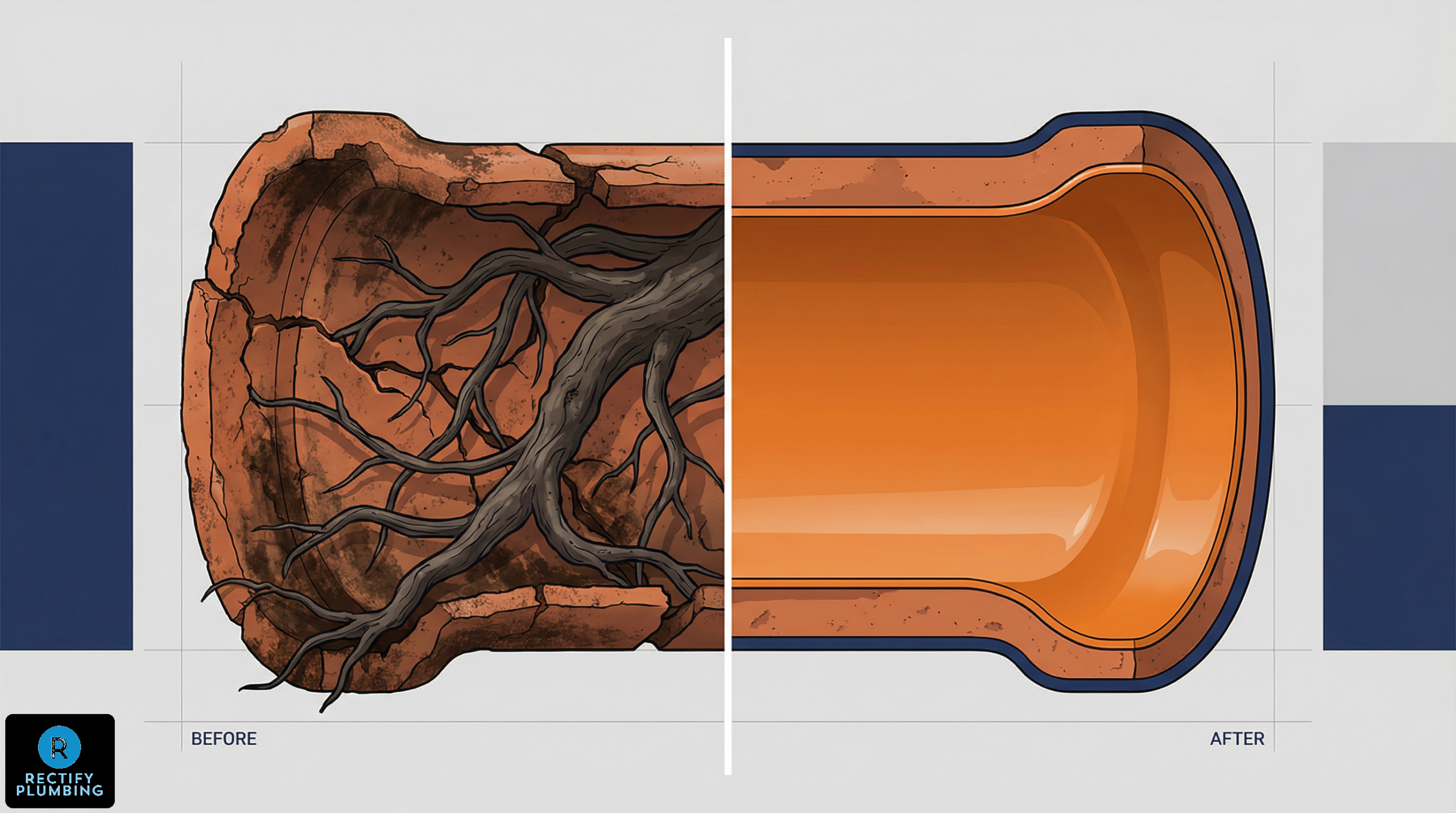
We had a call from a homeowner in Mosman whose kitchen drain had blocked three times in eighteen months. Each time, someone had come out and cleared it. When we put our camera down, we found a fig tree root mass growing from a separated clay pipe joint about four metres from the kitchen, plus two smaller cracks further along the same line. We jet blasted the blockage clear, then relined the two affected sections — about eight metres in total. That was eleven months ago. She hasn't had a blocked drain since. The previous three callouts hadn't fixed anything because nobody looked at what was actually causing the problem.What Makes Drainage Work on Heritage Properties More Complicated Sandstone Foundations A significant number of heritage properties across Mosman, Cremorne, Neutral Bay and Castlecrag have sandstone foundations — either original sandstone block construction or properties built over sandstone bedrock with minimal excavation from the original build. Running a drain line through or under sandstone requires more careful planning than standard residential excavation, and in many cases makes excavation impractical without significant cost and heritage impact. Pipe relining bypasses this entirely. Because the liner goes in through existing access points and cures inside the existing pipe, no new excavation is required regardless of what the pipe runs under. This is one of the main reasons relining has become the standard approach for drainage remediation on heritage properties across the lower North Shore. Heritage Overlay Considerations Some properties in Mosman and Castlecrag fall within heritage conservation areas under Mosman Council's LEP. This doesn't directly affect drainage pipe work within the property, but it does affect what can be done to front gardens, fences and footpaths if excavation were required. Pipe relining again avoids this issue because there's nothing visible happening at the surface during the installation. Large Gardens with Significant Trees Many of the properties we work on in this area have trees that are covered by Council tree preservation orders — figs, turpentines, spotted gums that have been growing for 60 or 70 years and contribute to the character of the area. Excavating a drain line through the root zone of a protected tree is not a straightforward proposition. Camera inspection followed by relining allows us to fix the drainage problem without touching the tree at all. Quick tip: If you have a large established tree within 10 metres of your main drain line and you've been having recurring blockages, the tree's roots are almost certainly involved. Get a camera inspection done before the problem becomes urgent — it's far easier to address on your terms than in the middle of a blocked drain emergency. Keeping Your Drains Running in This Area — What Actually Helps There's no way to completely prevent root intrusion if you have old clay pipes and established trees nearby. But there are things that extend the time between problems and keep the drains functioning well between professional inspections.
- Annual camera inspection for any property over 40 years old with established trees near the sewer line. Catching root intrusion early — when it's a few centimetres of fine root growth — means a jet blast fixes it. Leaving it until the pipe is 80% blocked means relining.
- Drain screens in all shower and bath drains. Hair and soap scum buildup is completely preventable with a screen that costs a few dollars and takes two minutes to clean.
- No cooking fat down the kitchen sink — ever. In older drain runs with narrower diameters, grease buildup adds to any existing structural restriction and accelerates blockages.
- If you notice a drain getting gradually slower, address it sooner rather than later. A slow drain in a clay-pipe property is almost always a sign of developing root intrusion, not just light debris.
[service_faqs]
Emergency Plumber Blacktown, Dural, Belrose & Western Sydney: What to Do When It Goes Wrong
 Call Us Right Now — Don't Wait
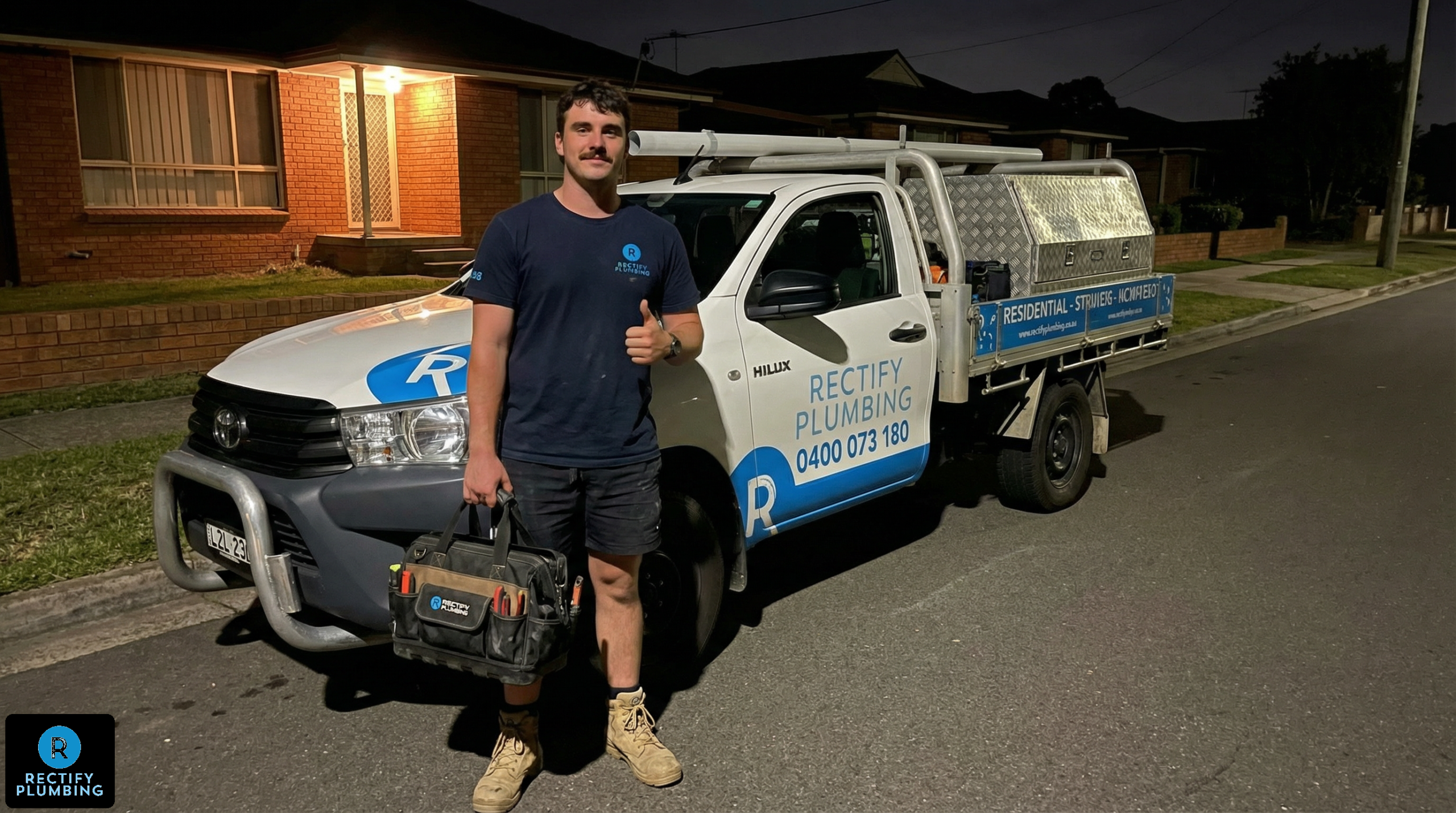
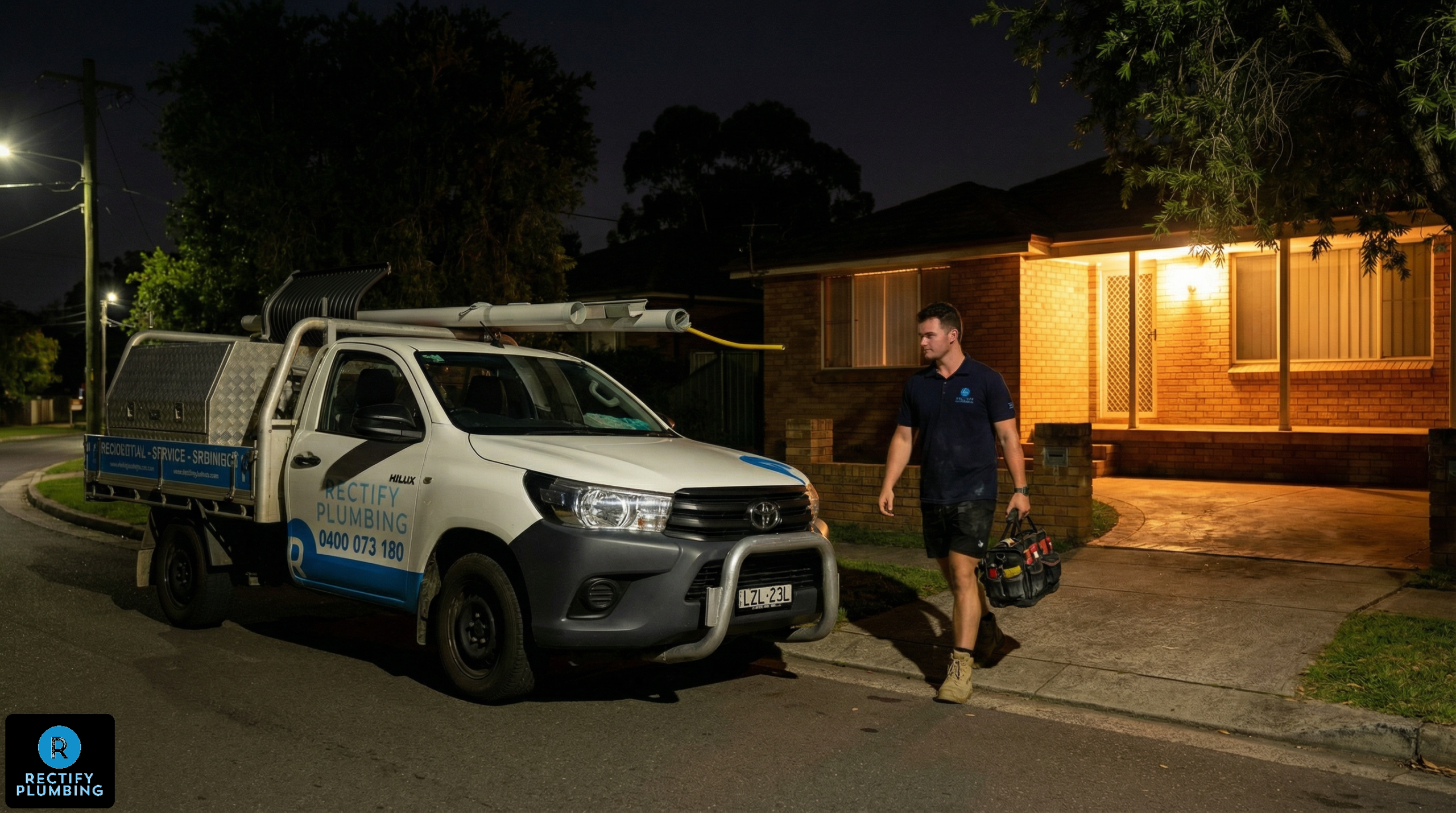
There are situations where waiting even a few hours is genuinely not an option. A burst or split pipe that's actively leaking water. Sewage backing up inside your home — into your shower, your laundry, your bathroom floor. Water coming through the ceiling or out of a wall cavity. A complete loss of water to the whole property. Any smell of gas anywhere inside or near the building.
These situations cause damage that compounds fast. Water in a ceiling causes structural damage, mould, and electrical risk. Sewage inside the house is a serious health hazard. A gas leak in a closed space is dangerous. If any of these apply, stop reading and call us — 0400 073 180, any hour.
These Can Wait Until Morning
A slow-draining sink that's been getting gradually worse. A tap that drips a bit more than usual. A toilet that runs constantly but still flushes. A hot water system giving you lukewarm water rather than none at all. None of these are good, but none of them are going to destroy your house overnight. Book a morning appointment, get some sleep.
The Grey Area
Hot water that's completely stopped is somewhere in the middle. In summer, a healthy household can usually get through one night without hot water. In winter — or if there are young children or elderly people in the house — that's a same-day job. Call us and we'll help you make the call over the phone. We'd rather talk you through it than have you dealing with something you're not sure how to handle.
Quick tip: If you're not sure whether it's an emergency, call us. We'd rather spend two minutes on the phone telling you it can wait than have you cause more damage managing something overnight on your own.
The Most Common Emergency Jobs We See Across Western Sydney
Burst Pipes — Particularly in Older Blacktown and Merrylands Homes
A lot of Western Sydney's residential housing stock dates from the 1960s and 70s — and with it comes original pipe work that's quietly been ageing ever since. Galvanised steel pipes from that era corrode from the inside over time, the walls get thinner, and eventually — sometimes triggered by a cold snap, a pressure spike, or just time — they split.
The first sign is often not visible water. It's a sudden drop in pressure, a wet patch appearing on a wall or ceiling, or the sound of running water somewhere in the house when everything is turned off. If you notice any of these, turn off your main water shutoff immediately. Our burst pipe service covers the entire Western Sydney corridor 24 hours a day.
Hot Water System Failures
Hot water systems run constantly — heating and storing water around the clock — and they fail without much warning. Most often overnight or first thing in the morning, right when you need them. The most common signs are no hot water at all, a pilot light that won't relight on a gas system, water pooling at the base of the unit, or a pressure relief valve that's dripping continuously.
Some of these are fixable on the spot. Others mean the unit needs replacing. Either way, our hot water repair and installation team carries replacement parts and common units on the van. In most cases we can sort it same visit, even for late-night callouts.
Blocked Drains and Sewage Backup
A drain that's backed up to the point where sewage is coming up inside the house is not a 'wait and see' situation. We've attended homes in Dural and Belrose where homeowners left it a day or two hoping it would clear, and by the time we arrived the bathroom floor was wet and the laundry tub was overflowing. Apart from the mess, sewage inside the house is a genuine health risk — especially if there are children around.
If your toilet won't flush, your shower drain is filling up, or you can smell sewage inside the house, that's a call to our blocked drain team right now. We'll come out and clear it properly, not just push it further down the line.
Gas Smells — Treat These as an Emergency Every Time
A gas smell anywhere inside the house or near your appliances or meter needs to be treated as an emergency immediately — not investigated, not left until morning. Get everyone out of the house. Don't turn any lights or switches on or off. Don't use your phone inside. Open doors as you leave and call from outside. Call Jemena on 131 909 to isolate the supply, then call us. Our licensed gas fitting team can carry out a full inspection before gas is restored.
Call Us Right Now — Don't Wait
There are situations where waiting even a few hours is genuinely not an option. A burst or split pipe that's actively leaking water. Sewage backing up inside your home — into your shower, your laundry, your bathroom floor. Water coming through the ceiling or out of a wall cavity. A complete loss of water to the whole property. Any smell of gas anywhere inside or near the building.
These situations cause damage that compounds fast. Water in a ceiling causes structural damage, mould, and electrical risk. Sewage inside the house is a serious health hazard. A gas leak in a closed space is dangerous. If any of these apply, stop reading and call us — 0400 073 180, any hour.
These Can Wait Until Morning
A slow-draining sink that's been getting gradually worse. A tap that drips a bit more than usual. A toilet that runs constantly but still flushes. A hot water system giving you lukewarm water rather than none at all. None of these are good, but none of them are going to destroy your house overnight. Book a morning appointment, get some sleep.
The Grey Area
Hot water that's completely stopped is somewhere in the middle. In summer, a healthy household can usually get through one night without hot water. In winter — or if there are young children or elderly people in the house — that's a same-day job. Call us and we'll help you make the call over the phone. We'd rather talk you through it than have you dealing with something you're not sure how to handle.
Quick tip: If you're not sure whether it's an emergency, call us. We'd rather spend two minutes on the phone telling you it can wait than have you cause more damage managing something overnight on your own.
The Most Common Emergency Jobs We See Across Western Sydney
Burst Pipes — Particularly in Older Blacktown and Merrylands Homes
A lot of Western Sydney's residential housing stock dates from the 1960s and 70s — and with it comes original pipe work that's quietly been ageing ever since. Galvanised steel pipes from that era corrode from the inside over time, the walls get thinner, and eventually — sometimes triggered by a cold snap, a pressure spike, or just time — they split.
The first sign is often not visible water. It's a sudden drop in pressure, a wet patch appearing on a wall or ceiling, or the sound of running water somewhere in the house when everything is turned off. If you notice any of these, turn off your main water shutoff immediately. Our burst pipe service covers the entire Western Sydney corridor 24 hours a day.
Hot Water System Failures
Hot water systems run constantly — heating and storing water around the clock — and they fail without much warning. Most often overnight or first thing in the morning, right when you need them. The most common signs are no hot water at all, a pilot light that won't relight on a gas system, water pooling at the base of the unit, or a pressure relief valve that's dripping continuously.
Some of these are fixable on the spot. Others mean the unit needs replacing. Either way, our hot water repair and installation team carries replacement parts and common units on the van. In most cases we can sort it same visit, even for late-night callouts.
Blocked Drains and Sewage Backup
A drain that's backed up to the point where sewage is coming up inside the house is not a 'wait and see' situation. We've attended homes in Dural and Belrose where homeowners left it a day or two hoping it would clear, and by the time we arrived the bathroom floor was wet and the laundry tub was overflowing. Apart from the mess, sewage inside the house is a genuine health risk — especially if there are children around.
If your toilet won't flush, your shower drain is filling up, or you can smell sewage inside the house, that's a call to our blocked drain team right now. We'll come out and clear it properly, not just push it further down the line.
Gas Smells — Treat These as an Emergency Every Time
A gas smell anywhere inside the house or near your appliances or meter needs to be treated as an emergency immediately — not investigated, not left until morning. Get everyone out of the house. Don't turn any lights or switches on or off. Don't use your phone inside. Open doors as you leave and call from outside. Call Jemena on 131 909 to isolate the supply, then call us. Our licensed gas fitting team can carry out a full inspection before gas is restored.
We got a call from a family in Blacktown on a Friday night — water was coming through the kitchen ceiling, directly above the hot water cupboard on the floor above. They'd noticed a damp patch on the ceiling a week earlier and assumed it was from a recent rain. When we arrived, we found a copper joint on the hot water supply line had been slowly failing for weeks. The ceiling had been absorbing the water and the plasterboard was close to giving way entirely. We isolated the leak, replaced the joint, and the family had water restored before midnight. If they'd left it until Saturday morning, they'd have had a collapsed section of ceiling to deal with on top of everything else. That week-old damp patch was the sign.What to Do in the First Few Minutes — Before We Arrive
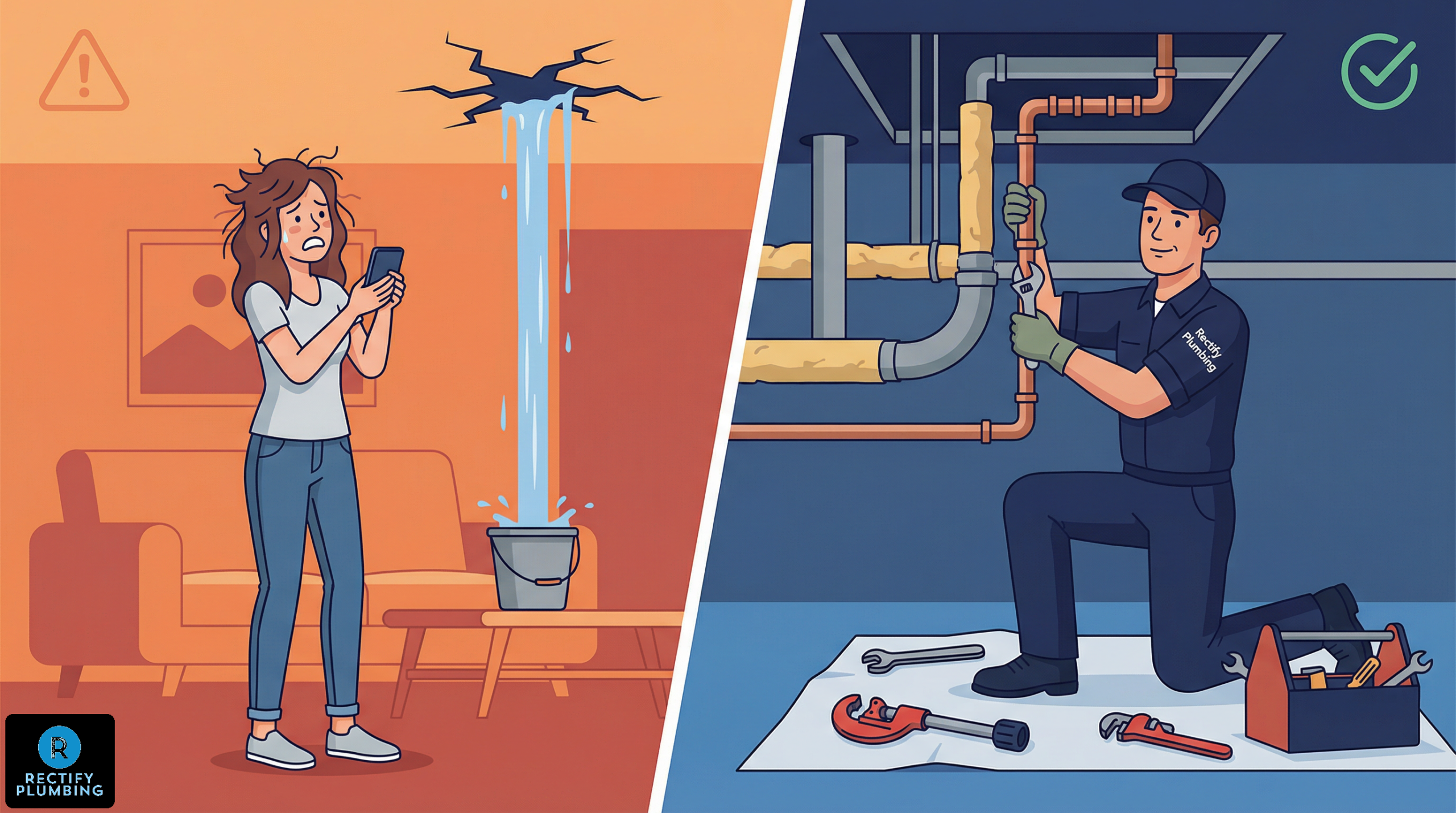 The actions you take in the first five minutes of a plumbing emergency can meaningfully affect how much damage you end up with. Here's what we tell every caller:
Turn Off the Water Supply
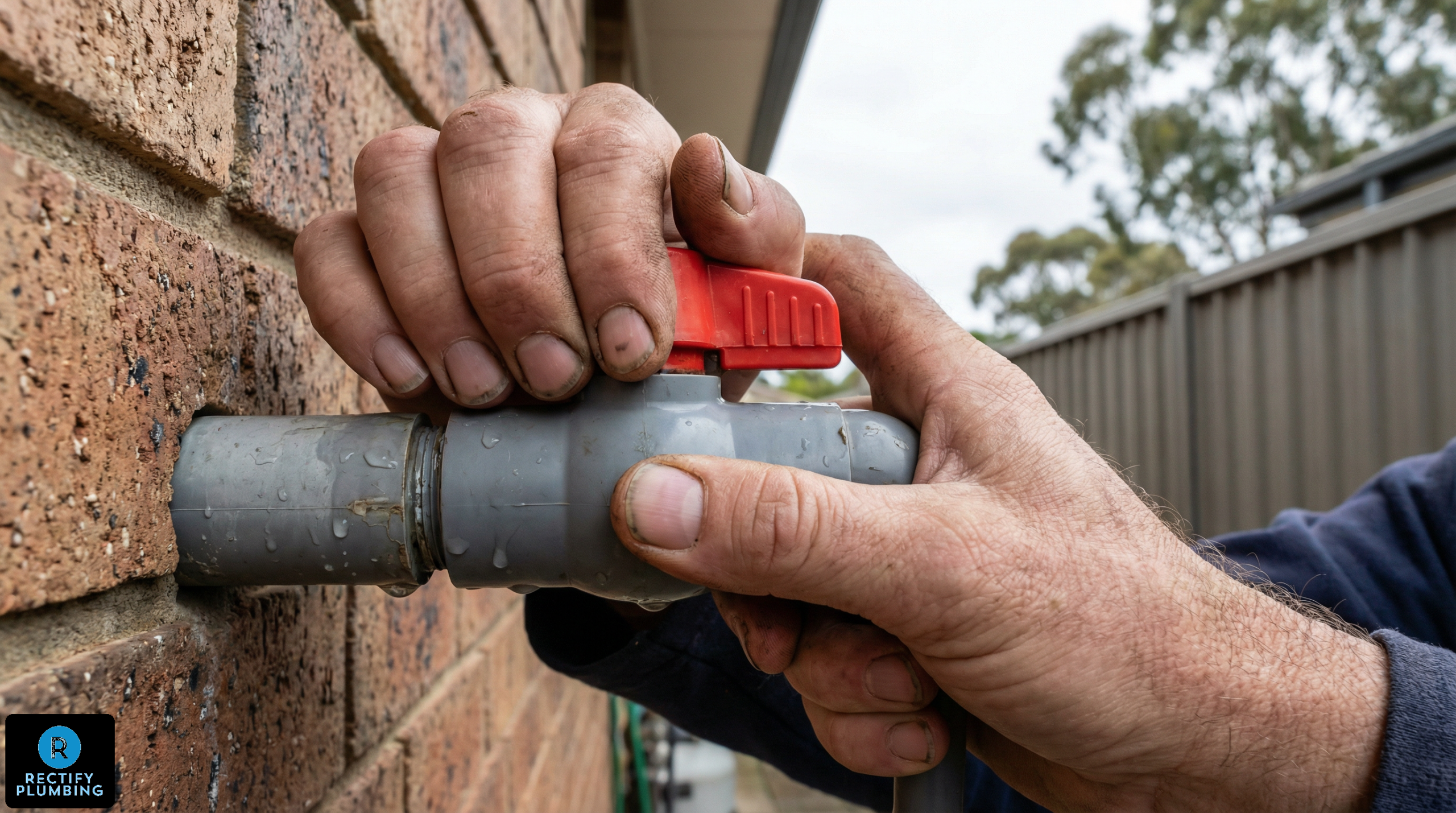
If water is going somewhere it shouldn't be, your first move is the main water shutoff. It's usually at the front of the property near the meter — sometimes in a box in the footpath, sometimes along the side of the house. Turn it off. Even if you're not completely sure what's happening, stopping the flow of water is almost always the right call while you wait for us.
Know where yours is before you need it. Walk around the property this weekend if you're not sure. Five minutes now saves a lot of damage later.
For Gas — Get Out First, Then Call
If you can smell gas: get everyone out including pets, leave doors open as you go to ventilate, do not use any electrical switches or your phone inside the building. Call from outside. Gas is not something you investigate yourself. Our gas team handles leak detection and repair with proper detection equipment — not guesswork.
For Sewage Backup — Stop Using Water
If sewage is backing up through a floor drain or toilet, stop using all water fixtures in the house. Every flush, every tap, every shower sends more through the same blocked line. Turn off the water supply if you can and wait for us.
Take a Quick Video if It's Safe
Thirty seconds of video showing what's happening is genuinely useful. It helps us bring exactly the right equipment on the first visit rather than having to go back to the van. Just send it through when you call.
Quick tip: Once the water is off, move valuables and electrical items away from the affected area. Water damage to furniture, appliances and flooring adds up very fast.
Why Local Response Time Actually Matters
The actions you take in the first five minutes of a plumbing emergency can meaningfully affect how much damage you end up with. Here's what we tell every caller:
Turn Off the Water Supply
If water is going somewhere it shouldn't be, your first move is the main water shutoff. It's usually at the front of the property near the meter — sometimes in a box in the footpath, sometimes along the side of the house. Turn it off. Even if you're not completely sure what's happening, stopping the flow of water is almost always the right call while you wait for us.
Know where yours is before you need it. Walk around the property this weekend if you're not sure. Five minutes now saves a lot of damage later.
For Gas — Get Out First, Then Call
If you can smell gas: get everyone out including pets, leave doors open as you go to ventilate, do not use any electrical switches or your phone inside the building. Call from outside. Gas is not something you investigate yourself. Our gas team handles leak detection and repair with proper detection equipment — not guesswork.
For Sewage Backup — Stop Using Water
If sewage is backing up through a floor drain or toilet, stop using all water fixtures in the house. Every flush, every tap, every shower sends more through the same blocked line. Turn off the water supply if you can and wait for us.
Take a Quick Video if It's Safe
Thirty seconds of video showing what's happening is genuinely useful. It helps us bring exactly the right equipment on the first visit rather than having to go back to the van. Just send it through when you call.
Quick tip: Once the water is off, move valuables and electrical items away from the affected area. Water damage to furniture, appliances and flooring adds up very fast.
Why Local Response Time Actually Matters
 Every Extra Hour Is More Damage
When water is actively going somewhere it shouldn't, every extra fifteen minutes matters. A burst pipe that runs for three hours while you wait for a plumber from the other side of Sydney produces significantly more damage than one that's isolated in forty-five minutes. For sewage backup, the longer it sits, the more contamination spreads.
A local team who knows the Western Sydney road network and services Blacktown, Dural, Belrose and Castle Hill regularly will get to you faster than a national dispatch service sending someone from wherever happens to be available.
We Know the Housing Stock in This Area
Knowing Western Sydney means knowing what kinds of problems are common in different pockets of the area. Older Blacktown and Merrylands homes with galvanised steel pipe work. Larger block properties in Dural and Belrose with long runs of older drainage and established tree canopy over sewer lines. High-density apartment buildings in the Parramatta corridor with shared sewer infrastructure. These aren't things you learn from a database — they come from doing the work here regularly.
You Talk to Our Team — Not a Call Centre
When you call Rectify Plumbing, you speak to our team. Someone who can ask the right questions, give you an accurate ETA, and tell you honestly whether what you're describing needs us there in the next hour or whether it can wait until 7am. We're not routing you through a national booking system that dispatches whoever is nearest on a map. View our full range of plumbing services if you want to understand what we cover across this area.
What We Actually Do When We Arrive
Assess First, Then Fix
The first thing we do is understand the full scope of what's happened — not just the visible problem but what caused it and whether there's anything else affected. A burst pipe in a wall might have been leaking slowly before it gave way completely. A drain backup might be a symptom of a root intrusion that's been building for months. We use a CCTV drain camera where relevant to see exactly what we're dealing with before we start work.
Fix It Properly — Not Temporarily
Emergency callouts are stressful and expensive enough without having to call a plumber back two weeks later because the repair didn't hold. We fix the actual problem on the first visit wherever we can. If a section of pipe needs replacing, we replace it. If a hot water system has failed and repair isn't the right call, we'll tell you that upfront, give you a fixed price for replacement, and in most cases we can do it same day.
Leave You With a Working Property
Before we leave, we make sure the affected system is working properly — water restored, gas safe, drain clear. We explain what happened, what we did, and what to watch for. If there's anything that needs a follow-up visit — waterproofing assessment after ceiling damage, for example — we'll tell you that honestly rather than sign off and disappear. Booking a preventative maintenance check after a significant emergency is also worth considering, particularly for older properties.
Western Sydney — We're Here When It Goes Wrong
Plumbing emergencies are stressful enough without a long wait, an uncertain ETA, or a plumber who doesn't know the area. That's not the experience we want you to have.
Rectify Plumbing covers Blacktown, Dural, Belrose, Castle Hill, Parramatta, Seven Hills, Merrylands, Quakers Hill and the wider Western Sydney corridor — 24 hours a day, seven days a week. When you call, you'll speak to someone who can help, not a booking system. We'll get to you as fast as we can, fix the actual problem, and leave you with a property that works.
Call Jake directly on 0400 073 180 — any hour. Or take a look at our full range of plumbing and emergency services for more on what we cover.
Request a Quote or Make an Enquiry → rectifyplumbing.com.au
------------------------------------------------------------------------------------------------------------
[service_faqs]
Every Extra Hour Is More Damage
When water is actively going somewhere it shouldn't, every extra fifteen minutes matters. A burst pipe that runs for three hours while you wait for a plumber from the other side of Sydney produces significantly more damage than one that's isolated in forty-five minutes. For sewage backup, the longer it sits, the more contamination spreads.
A local team who knows the Western Sydney road network and services Blacktown, Dural, Belrose and Castle Hill regularly will get to you faster than a national dispatch service sending someone from wherever happens to be available.
We Know the Housing Stock in This Area
Knowing Western Sydney means knowing what kinds of problems are common in different pockets of the area. Older Blacktown and Merrylands homes with galvanised steel pipe work. Larger block properties in Dural and Belrose with long runs of older drainage and established tree canopy over sewer lines. High-density apartment buildings in the Parramatta corridor with shared sewer infrastructure. These aren't things you learn from a database — they come from doing the work here regularly.
You Talk to Our Team — Not a Call Centre
When you call Rectify Plumbing, you speak to our team. Someone who can ask the right questions, give you an accurate ETA, and tell you honestly whether what you're describing needs us there in the next hour or whether it can wait until 7am. We're not routing you through a national booking system that dispatches whoever is nearest on a map. View our full range of plumbing services if you want to understand what we cover across this area.
What We Actually Do When We Arrive
Assess First, Then Fix
The first thing we do is understand the full scope of what's happened — not just the visible problem but what caused it and whether there's anything else affected. A burst pipe in a wall might have been leaking slowly before it gave way completely. A drain backup might be a symptom of a root intrusion that's been building for months. We use a CCTV drain camera where relevant to see exactly what we're dealing with before we start work.
Fix It Properly — Not Temporarily
Emergency callouts are stressful and expensive enough without having to call a plumber back two weeks later because the repair didn't hold. We fix the actual problem on the first visit wherever we can. If a section of pipe needs replacing, we replace it. If a hot water system has failed and repair isn't the right call, we'll tell you that upfront, give you a fixed price for replacement, and in most cases we can do it same day.
Leave You With a Working Property
Before we leave, we make sure the affected system is working properly — water restored, gas safe, drain clear. We explain what happened, what we did, and what to watch for. If there's anything that needs a follow-up visit — waterproofing assessment after ceiling damage, for example — we'll tell you that honestly rather than sign off and disappear. Booking a preventative maintenance check after a significant emergency is also worth considering, particularly for older properties.
Western Sydney — We're Here When It Goes Wrong
Plumbing emergencies are stressful enough without a long wait, an uncertain ETA, or a plumber who doesn't know the area. That's not the experience we want you to have.
Rectify Plumbing covers Blacktown, Dural, Belrose, Castle Hill, Parramatta, Seven Hills, Merrylands, Quakers Hill and the wider Western Sydney corridor — 24 hours a day, seven days a week. When you call, you'll speak to someone who can help, not a booking system. We'll get to you as fast as we can, fix the actual problem, and leave you with a property that works.
Call Jake directly on 0400 073 180 — any hour. Or take a look at our full range of plumbing and emergency services for more on what we cover.
Request a Quote or Make an Enquiry → rectifyplumbing.com.au
------------------------------------------------------------------------------------------------------------
[service_faqs]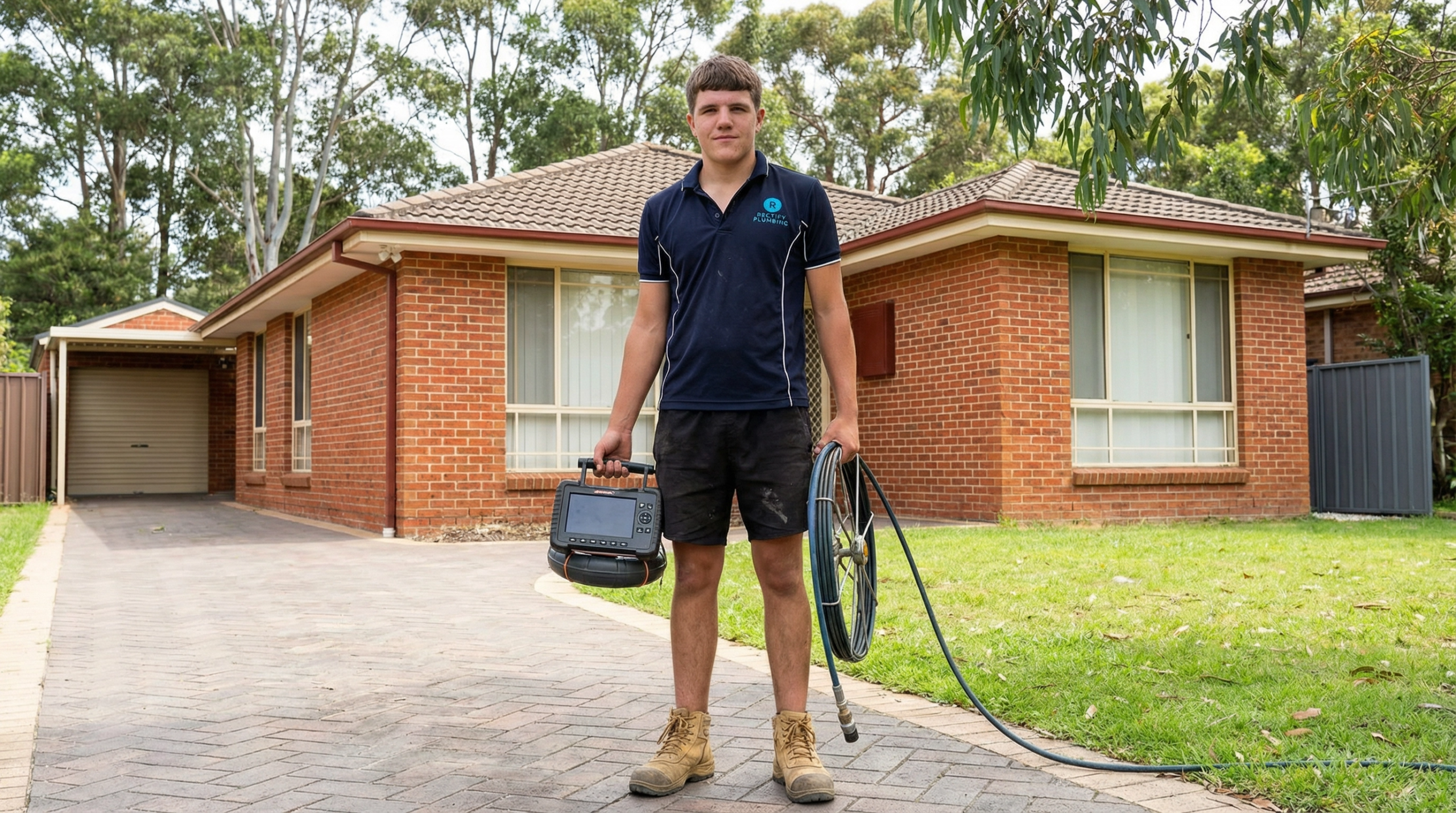
How to Clear a Blocked Drain: What Works, What Doesn’t, and When to Call a Plumber
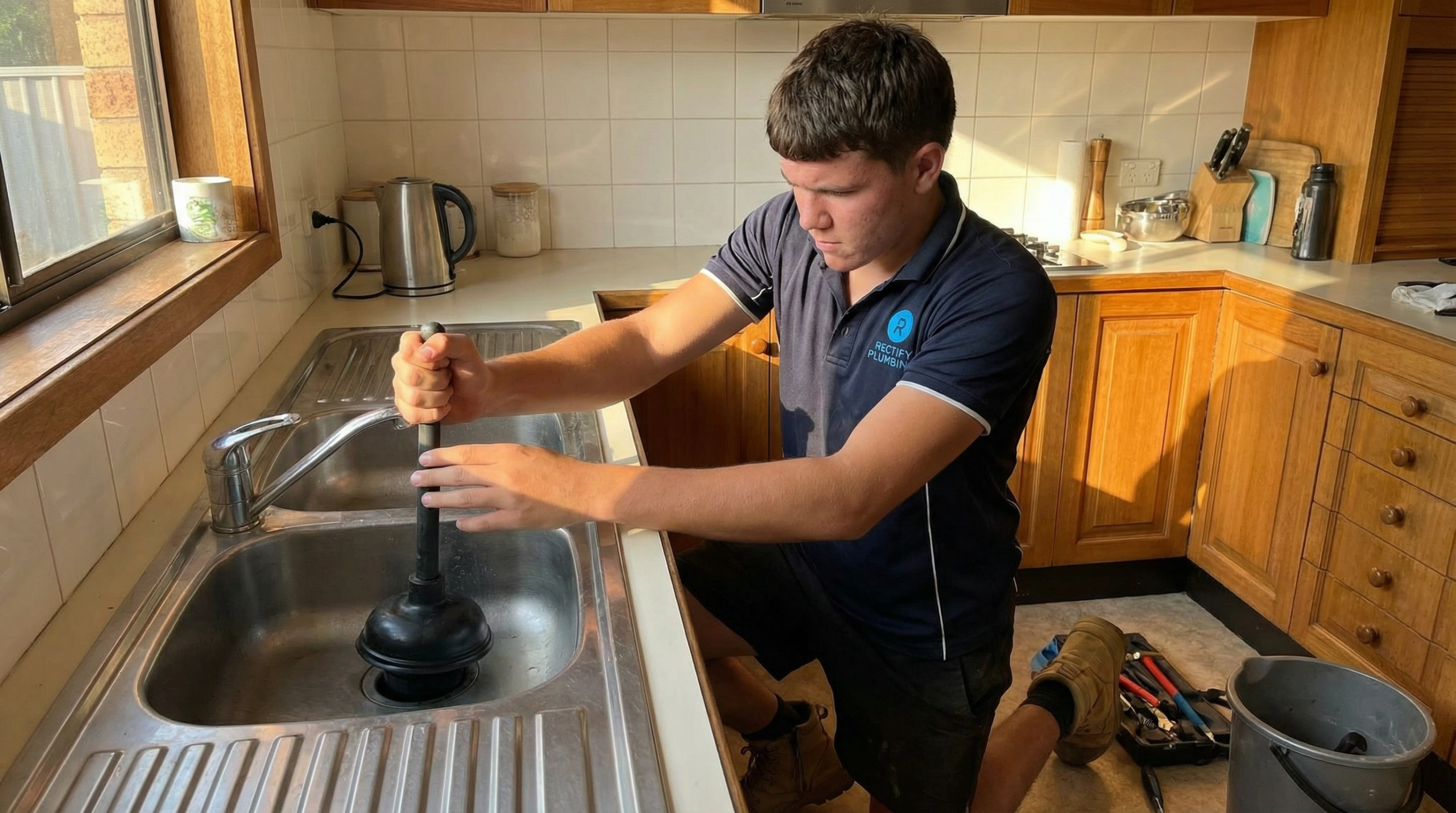 The Plunber — For Toilet and Sink Blockages Close to the Surface
A plunber works by creating pressure and suction to dislodge whatever is sitting near the drain opening. It's genuinely useful for toilet blockages where something has been flushed that shouldn't have been, and for bathroom sinks where a hair clump is sitting just below the drain screen. The technique matters: fill the basin or bowl with enough water to cover the plunger cup, create a seal, and pump firmly — don't just tap at it.
The important caveat: a plunger does nothing for a blockage that's further into the pipe system, for root intrusions, or for grease buildup that has accumulated over months. If 10 good attempts don't shift it, you're dealing with something that's not sitting near the surface.
Hot Water and Bicarb — For Grease-Based Kitchen Blockages
If your kitchen sink is draining slowly and you've been putting cooking fat or food scraps down it, a bicarb soda and vinegar flush followed by very hot water can work on early-stage grease buildup. The bicarb and vinegar reaction breaks down the surface layer of grease; the hot water flushes it through. Do this once a month as a habit and you'll rarely have a grease blockage.
It doesn't work on root intrusions, doesn't work on significant grease buildup that's been accumulating for years, and doesn't work on anything structural. But as a maintenance step and an early intervention, it's cheap and it's safe for your pipes.
Removing and Cleaning the Drain Screen
This sounds too simple, but a blocked drain screen — full of hair, soap scum or food debris — is one of the most common calls we get. Before you do anything else, pull out the drain cover and clean it. Showers especially. If the drain has been slow for a while and the screen is visibly clogged, that might be the entire problem.
Quick tip: Put a drain screen in every shower and bath if you don't already have one. Clean them every two weeks. This eliminates the majority of bathroom blockages before they start.
What Doesn't Work — and What Makes Things Worse
Chemical Drain Cleaners
This is the one that causes us the most problems when we arrive at a job. Chemical drain cleaners — the products you buy at the supermarket — contain caustic lye or sulphuric acid that dissolves organic material. They work on light soap and grease buildup in very early-stage blockages. They do nothing for tree roots, do nothing for collapsed or cracked pipe sections, and do nothing for a complete blockage.
The problems start when the chemical doesn't clear the blockage — which is most of the time. Now you have a full sink or bath of highly caustic liquid that you can't drain, that's corrosive to your older pipes, and that creates a safety hazard for any plumber who then has to work on it. We've turned up to jobs where homeowners had poured three different products down the drain over two days and still had a blocked pipe — just with added chemical damage.
On older clay or cast-iron pipes, which are common across many North Shore and Hills District homes, repeated chemical treatments accelerate corrosion. The pipe was going to last another 15 years; now it might not.
'Flushable' Wipes
They don't break down in pipes the way toilet paper does. We pull them out of drain pipes constantly — often years' worth of them that have accumulated at a low point in the line. Every packet that says 'flushable' is, at best, misleading. Only toilet paper belongs in the toilet.
Aggressive Use of a Drain Snake
A basic hand drain snake from a hardware store can clear a hair clog near the drain opening — that's about its useful range. Used aggressively on an older pipe with a junction further into the system, it can crack already-weakened terracotta or dislodge a joint that was barely holding. We've done jobs where a homeowner has turned a partial blockage into a cracked pipe by pushing a snake too hard into old drainage. The repair cost was significantly higher than it would have been if they'd called us first.
The Plunber — For Toilet and Sink Blockages Close to the Surface
A plunber works by creating pressure and suction to dislodge whatever is sitting near the drain opening. It's genuinely useful for toilet blockages where something has been flushed that shouldn't have been, and for bathroom sinks where a hair clump is sitting just below the drain screen. The technique matters: fill the basin or bowl with enough water to cover the plunger cup, create a seal, and pump firmly — don't just tap at it.
The important caveat: a plunger does nothing for a blockage that's further into the pipe system, for root intrusions, or for grease buildup that has accumulated over months. If 10 good attempts don't shift it, you're dealing with something that's not sitting near the surface.
Hot Water and Bicarb — For Grease-Based Kitchen Blockages
If your kitchen sink is draining slowly and you've been putting cooking fat or food scraps down it, a bicarb soda and vinegar flush followed by very hot water can work on early-stage grease buildup. The bicarb and vinegar reaction breaks down the surface layer of grease; the hot water flushes it through. Do this once a month as a habit and you'll rarely have a grease blockage.
It doesn't work on root intrusions, doesn't work on significant grease buildup that's been accumulating for years, and doesn't work on anything structural. But as a maintenance step and an early intervention, it's cheap and it's safe for your pipes.
Removing and Cleaning the Drain Screen
This sounds too simple, but a blocked drain screen — full of hair, soap scum or food debris — is one of the most common calls we get. Before you do anything else, pull out the drain cover and clean it. Showers especially. If the drain has been slow for a while and the screen is visibly clogged, that might be the entire problem.
Quick tip: Put a drain screen in every shower and bath if you don't already have one. Clean them every two weeks. This eliminates the majority of bathroom blockages before they start.
What Doesn't Work — and What Makes Things Worse
Chemical Drain Cleaners
This is the one that causes us the most problems when we arrive at a job. Chemical drain cleaners — the products you buy at the supermarket — contain caustic lye or sulphuric acid that dissolves organic material. They work on light soap and grease buildup in very early-stage blockages. They do nothing for tree roots, do nothing for collapsed or cracked pipe sections, and do nothing for a complete blockage.
The problems start when the chemical doesn't clear the blockage — which is most of the time. Now you have a full sink or bath of highly caustic liquid that you can't drain, that's corrosive to your older pipes, and that creates a safety hazard for any plumber who then has to work on it. We've turned up to jobs where homeowners had poured three different products down the drain over two days and still had a blocked pipe — just with added chemical damage.
On older clay or cast-iron pipes, which are common across many North Shore and Hills District homes, repeated chemical treatments accelerate corrosion. The pipe was going to last another 15 years; now it might not.
'Flushable' Wipes
They don't break down in pipes the way toilet paper does. We pull them out of drain pipes constantly — often years' worth of them that have accumulated at a low point in the line. Every packet that says 'flushable' is, at best, misleading. Only toilet paper belongs in the toilet.
Aggressive Use of a Drain Snake
A basic hand drain snake from a hardware store can clear a hair clog near the drain opening — that's about its useful range. Used aggressively on an older pipe with a junction further into the system, it can crack already-weakened terracotta or dislodge a joint that was barely holding. We've done jobs where a homeowner has turned a partial blockage into a cracked pipe by pushing a snake too hard into old drainage. The repair cost was significantly higher than it would have been if they'd called us first.
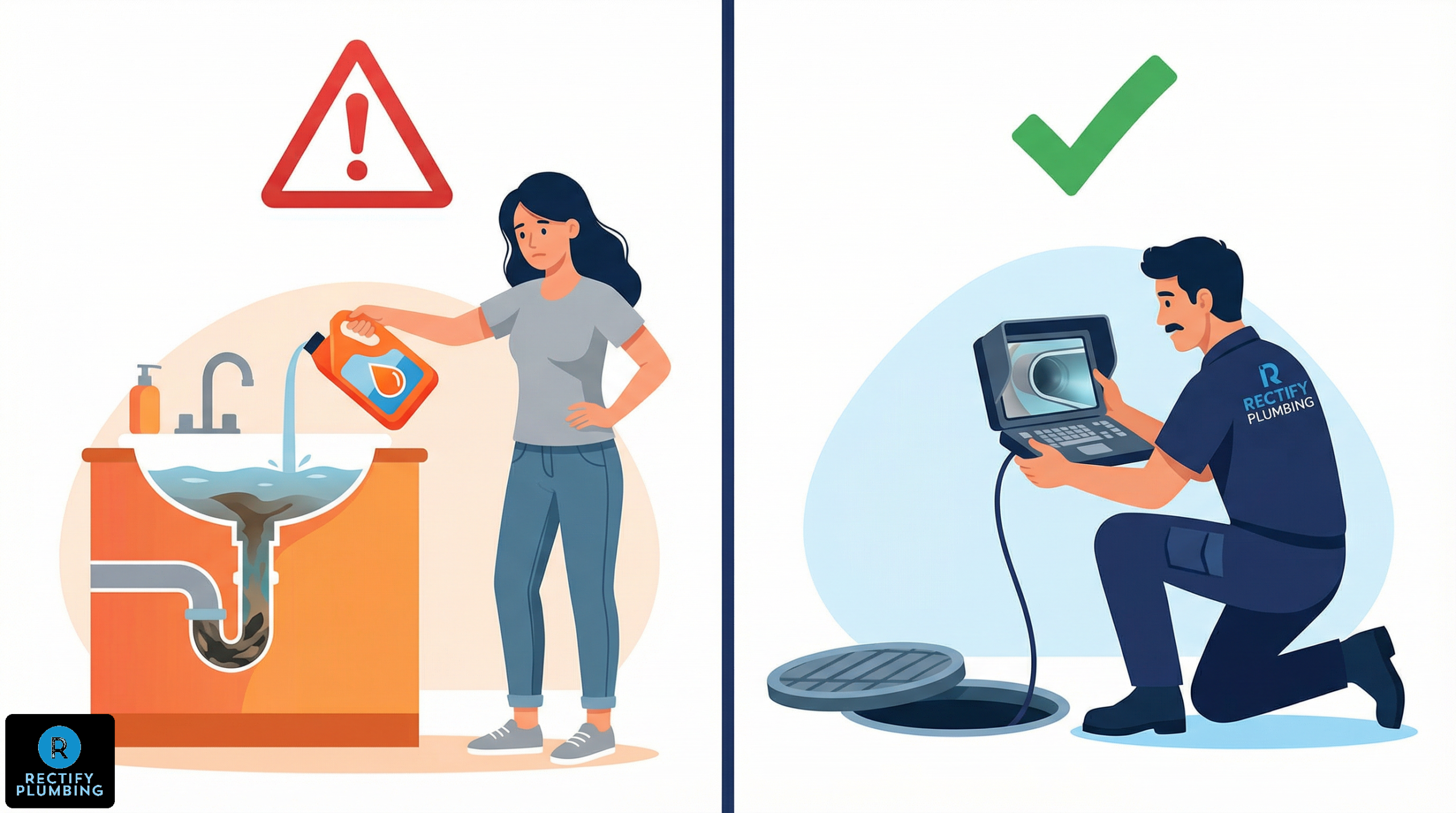 Warning Signs That It's Beyond a DIY Fix
These are the signals that tell us a blockage is either deep in the drainage system, structural in nature, or both. Any one of them means stop trying to fix it yourself and call a licensed plumber.
Warning Signs That It's Beyond a DIY Fix
These are the signals that tell us a blockage is either deep in the drainage system, structural in nature, or both. Any one of them means stop trying to fix it yourself and call a licensed plumber.
- The same drain blocks repeatedly within weeks or months — clearing it once didn't fix the cause
- You can hear gurgling from drains or toilets you're not currently using — air is being pushed through the system by a partial blockage somewhere in the main line
- More than one fixture is slow or backed up at the same time — bathroom sink, shower and laundry tub all draining slowly simultaneously means the issue is in the shared main drain, not an individual pipe
- Sewage smell inside the house — even faint, even occasional. This means organic waste is sitting somewhere in your drainage system and not moving
- Water backing up out of a drain rather than just draining slowly — a toilet that overflows when you flush, or water coming up through the shower when you run the washing machine
- A wet or unusually green patch in your garden above where the sewer line runs — a cracked or blocked underground pipe can leak sewage into the surrounding soil
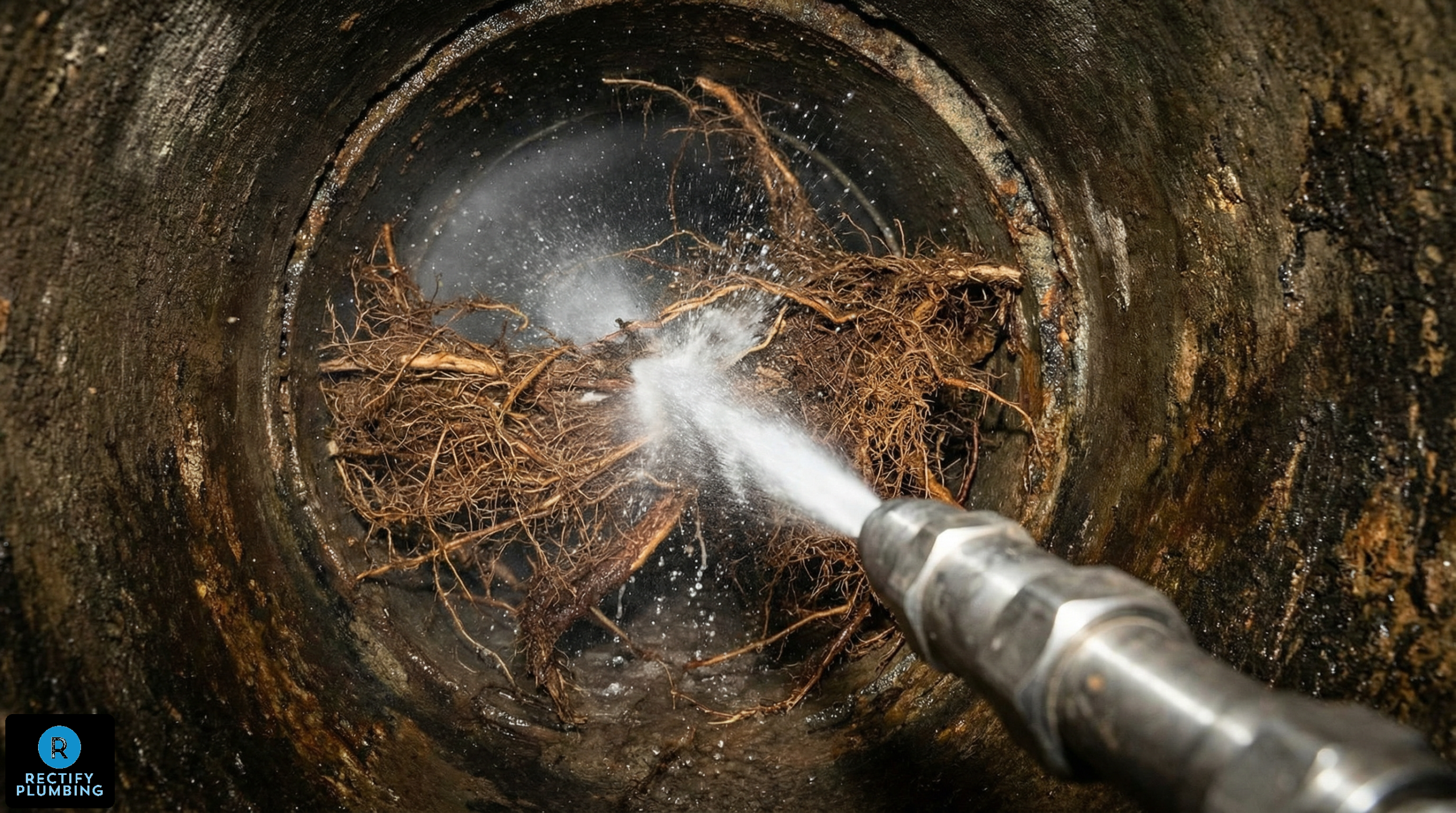 When the Pipe Needs More Than Clearing
Sometimes clearing the blockage isn't enough because the underlying pipe has a problem that will cause the same issue to come back. A crack that's letting roots in. A joint that's separated. A section that's started to sag and is pooling water and debris.
In these cases we'll usually recommend pipe relining — inserting a resin liner into the damaged section and curing it in place. You end up with a new pipe surface inside your existing pipe, without excavation. It's especially useful in areas with established gardens, sandstone, or concrete slabs where digging would be very disruptive.
When the Pipe Needs More Than Clearing
Sometimes clearing the blockage isn't enough because the underlying pipe has a problem that will cause the same issue to come back. A crack that's letting roots in. A joint that's separated. A section that's started to sag and is pooling water and debris.
In these cases we'll usually recommend pipe relining — inserting a resin liner into the damaged section and curing it in place. You end up with a new pipe surface inside your existing pipe, without excavation. It's especially useful in areas with established gardens, sandstone, or concrete slabs where digging would be very disruptive.
We got a call from a homeowner in Castle Hill who had blocked the same drain four times in eighteen months. Each time, a different plumber had cleared it and charged her for the job. When we put the camera in, we found a badly deteriorated terracotta pipe with three separate sections of root intrusion. Clearing it had never been the solution — the pipe itself was the problem. We relined a 9-metre section and she hasn't had a blockage since. The relining cost more than a single clear, but it was a fraction of what she'd spent on four callouts that didn't fix anything.How to Prevent Blocked Drains — What Actually Makes a Difference We're not going to tell you to never put anything down your drains — that's not realistic. But a few consistent habits will genuinely reduce how often your drains block.
- Drain screens in every shower, bath and kitchen sink. Clean them regularly. This is the single most effective prevention step.
- Cooking fat and grease goes in the bin — every time. Not down the sink, even with hot water. It cools and sets inside your pipes.
- Hot water flush and bicarb monthly in kitchen drains — takes two minutes and prevents grease accumulation.
- Nothing in the toilet except toilet paper. No wet wipes, no cotton pads, no sanitary products.
- If you have large trees near your sewer line — figs, liquidambars, eucalypts — keep an eye on your drains. Root intrusion is slow but relentless.

Gas Plumbing in Sydney: What Only a Licensed Gas Fitter Can Do — and Why It Matters
What Is Licensed Gas Work and Why Can't Anyone Just Do It?
Gas Fitting Is a Separate Licence in NSWIn NSW, plumbing and gas fitting are related but separate licences. A licensed plumber is not automatically licensed to do gas work — they need specific gas fitting qualifications on top of their plumbing licence. When you're hiring someone for gas work, it's worth specifically asking whether they hold a gas fitting licence, not just a plumbing licence.
Rectify Plumbing holds both. All gas work we complete is carried out by licensed gas fitters and comes with the required compliance certificate. That certificate matters — for insurance, for your safety, and if you ever sell the property. Take a look at our dedicated gas plumbing services page if you want to understand the full scope of what we cover.
What the Law Says Homeowners Can and Cannot DoIn NSW, homeowners can do some minor plumbing work themselves — replacing tap washers, for example. Gas is different. There is almost nothing gas-related that a homeowner can legally do without a licence. You cannot install, alter, extend, or repair any gas fitting or appliance. You cannot connect or disconnect gas appliances from the supply.
Even something as apparently simple as moving a gas cooktop a few centimetres to fit a new benchtop technically requires a licensed gas fitter to disconnect and reconnect it. We're not saying this to generate work — we're saying it because people get caught out, and more importantly, because gas work done incorrectly is dangerous in a way that a poorly fitted tap washer simply isn't.
What a Gas Compliance Certificate Actually MeansWhen a licensed gas fitter completes work on your property, they issue a Certificate of Compliance for gas fitting work. This document records what was done, confirms it was inspected and meets Australian Standard AS/NZS 5601, and is held on record with NSW Fair Trading.
If you ever have a gas incident on your property and the work wasn't certified, your insurer may decline the claim. If you're selling the property and a buyer asks for evidence of compliance on the gas installation, uncertified work is a problem. The certificate isn't just a piece of paper — it has real, practical value.
Quick tip: Before any gas work starts on your property, ask the tradesperson for their gas fitting licence number and confirm they will issue a compliance certificate on completion. Any legitimate gas fitter will have both and won't hesitate to provide them.
Warning Signs of a Gas Leak — What to Do and What Not to DoThis is the section to read carefully, because the response to a suspected gas leak is different from almost any other home problem. Getting it wrong can cause serious harm.
The Signs That Something Is WrongThe smell is the most obvious one — natural gas has a distinctive rotten egg or sulphur smell added to it specifically so leaks can be detected. If you can smell that anywhere in your home, near your appliances, or around your gas meter, treat it as a leak until confirmed otherwise.
Other signs are subtler: a hissing sound near a gas appliance or pipe, an unexplained dead patch in the garden directly above where a gas line runs underground, or a gas bill that's noticeably higher than usual without a change in usage. Underground gas lines can also be damaged by the same tree root intrusion that causes blocked drains and pipe damage — roots don't discriminate between a drainage pipe and a gas line when they're looking for a path through the soil.
What to Do If You Suspect a Gas LeakDo not turn any lights or switches on or off. Do not use your phone inside the house. Do not try to find the leak yourself or turn appliances on to test them. Open doors and windows as you leave to ventilate, get everyone out of the house including pets, and call from outside.
Call your gas network provider's emergency line first — in NSW that's Jemena on 131 909 for natural gas. They will isolate the gas supply to your property. Once the supply is isolated and the area is safe, call a licensed gas fitter to find and repair the source of the leak before gas is restored.
After a Suspected Leak — Don't Just Reset and Move OnWe've attended jobs where a homeowner has had the gas turned off due to a suspected leak, the smell has cleared, and they've turned the gas back on themselves assuming it sorted itself out. It doesn't sort itself out. A gas leak doesn't seal itself. If there was a leak, it's still there — it just isn't at a detectable concentration at that moment.
If you've had a gas incident at your property, have a licensed gas fitter inspect the installation — and if needed, run a CCTV inspection of any underground gas pipework — before the gas supply is restored. Our gas team covers Berowra, Berowra Heights, the North Shore and wider Sydney for gas inspections and leak repairs.
We were called to a property in Berowra Heights where the homeowner had noticed a faint gas smell near the hot water system for about two weeks. She'd mentioned it to a family member who told her it was probably just the pilot light and not to worry about it. When we arrived and tested the connections, we found a slow leak at a corroded fitting on the gas supply line to the unit — it had been leaking at a low level for some time. The fitting was replaced, the installation was tested and certified, and that was the end of it. If she'd left it another few weeks, particularly with the warmer weather coming and windows being closed more often, the concentration could have built to a dangerous level. The lesson is simple: if you can smell gas, even faintly, even occasionally, get it checked.
Common Gas Plumbing Jobs We Do Across Sydney and the North Shore
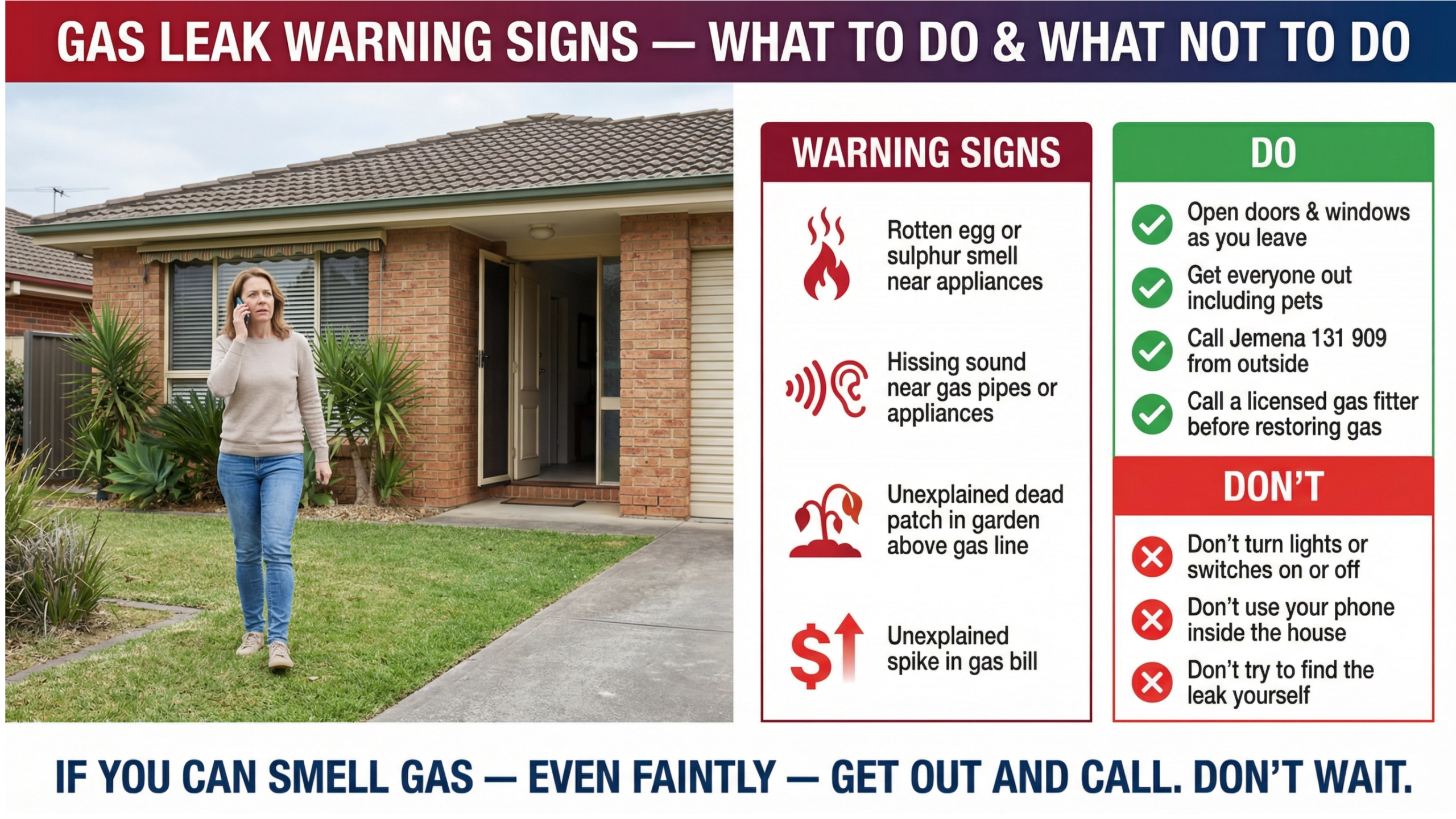
Gas Hot Water System Installation and Replacement
This is the most common gas job we handle. Whether it's replacing an ageing gas storage system, upgrading to a continuous flow unit, or installing gas hot water in a home that's switching from electric, the job involves more than just swapping one unit for another. The gas supply line has to deliver sufficient flow rate for the new appliance, the flue has to be correctly positioned and terminated, and the installation has to be commissioned and tested before we sign it off.
If you're considering switching to gas hot water or upgrading your existing system, our hot water installation and repair team can assess your current gas supply and advise on what's involved before you commit to anything.
Gas Cooktop and Oven ConnectionsConnecting a new gas cooktop or oven — or reconnecting an existing one after a kitchen renovation — is one of the most common gas jobs in residential properties. It's also one of the most commonly done incorrectly, often by people who assume it's as simple as screwing a flexible hose onto the appliance and turning the gas back on.
The correct process involves checking the gas supply pressure is appropriate for the appliance, installing an isolation valve in the right location, using the correct flexible connector for the appliance type, and pressure testing the connection before the appliance is commissioned. All of this has to be done by a licensed gas fitter and documented with a compliance certificate.
Outdoor Gas Lines — BBQs, Fire Pits, Outdoor KitchensRunning a permanent gas line to an outdoor entertaining area is something a lot of Sydney homeowners want, and it's a job we do regularly across Berowra, Berowra Heights and the North Shore. A permanent gas point for a BBQ or outdoor kitchen eliminates the hassle of swapping gas bottles and gives you a consistent, controlled flame.
The work involves running a gas supply line from your existing gas meter, installing isolation valves, fitting the outdoor connection point, and pressure testing the entire installation. Done properly with the right materials, an outdoor gas line is very reliable. Done with the wrong pipe type or fittings — which we've seen — it's a slow leak waiting to happen.
Gas Leak Detection and Pipe RepairsFinding a gas leak isn't always as simple as following your nose. Slow leaks in underground lines or inside wall cavities can be present for some time before they reach a concentration you can detect by smell. We use pressure testing and gas detection equipment to locate leaks accurately rather than guessing. Underground lines can also be damaged by ground movement, corrosion, or accidental impact — in the same way that a burst pipe can go undetected inside a wall until the damage is already done. Once located, the repair is straightforward — but finding it precisely first is what makes the repair reliable.
Gas vs Electric — Is It Worth Switching in a Sydney Home?
The Running Cost ArgumentGas has traditionally been cheaper to run than electricity for heating and cooking in NSW, but this comparison has become more complicated in recent years as energy prices have shifted. The honest answer is that it depends on your usage, your current tariffs, and whether you're comparing gas to standard electricity or to solar-assisted electricity.
For hot water in a household with moderate to high demand, gas — particularly continuous flow — tends to still offer a running cost advantage over standard electric storage. For cooking, most people who cook seriously prefer gas for the control it gives over heat, independent of cost.
Natural Gas vs LPGProperties connected to the natural gas network — which includes most of Berowra, Berowra Heights and the North Shore — pay reticulated gas rates, which are generally more economical than LPG. Properties not connected to the network have to use LPG bottles or bulk tanks, which have higher per-unit fuel costs. If you're on LPG and considering switching to natural gas, the first step is checking whether your property is within reach of the network — contact Jemena to confirm availability at your address.
When Gas Makes Clear SenseIf your existing gas infrastructure is already in place — gas meter, supply lines to the areas you need — then adding or upgrading gas appliances is usually cost-effective. The infrastructure cost has already been paid. If you're starting from scratch, the cost of running a new gas supply line from the street needs to be factored in. We can assess your existing setup and give you a realistic picture of what any changes would involve. Browse our full plumbing and gas services for more on what we cover.
Gas Appliance Servicing — Something Most People Skip Entirely
Gas Appliances Need Periodic ChecksMost homeowners service their car but never think about servicing their gas appliances. Burners accumulate debris and carbon buildup over time, which affects combustion efficiency and can cause incomplete burning — producing carbon monoxide rather than carbon dioxide. Flexible connectors have a service life and should be replaced periodically. Flues can become blocked or develop leaks at joints.
None of this is dramatic, but a gas appliance that's running poorly or has a deteriorated connection is a safety concern as much as an efficiency one. A periodic check — particularly for hot water systems, which run constantly — is worth including in a regular home maintenance inspection schedule.
How Old Is Your Gas Hot Water System?If you don't know how old your gas hot water system is, it's worth finding out. The age is usually encoded in the serial number — call us and we can help you decode it from the unit's data plate. Gas storage systems have an expected lifespan of around 10 to 12 years. Continuous flow units last longer — often 15 to 20 years with good maintenance — but the gas valve and burner assembly do wear over time.
A system that's approaching end of life and starting to have issues — slow recovery, pilot light problems, unusual smells — is worth replacing proactively rather than waiting for it to fail completely. We cover hot water system replacement as part of our hot water installation and repair service — same-day service available across Berowra, the North Shore and wider Sydney.
Quick tip: If your gas hot water system is over 10 years old and hasn't been serviced, it's worth a quick inspection. A service visit costs a fraction of an emergency replacement and often extends the life of the unit significantly.
Gas Work Done Right — From Berowra to the CBD

Gas plumbing isn't complicated when it's done properly by someone who knows what they're doing. What makes it different from other trades is that the margin for error is narrower — a gas installation that's 95% right is not good enough. It has to be right, it has to be tested, and it has to be certified.
Rectify Plumbing's gas fitting team works across Berowra, Berowra Heights, the North Shore, and wider Sydney. We're licensed, we test everything before we leave, and every gas job comes with a compliance certificate as a matter of course — not as an optional extra. Whether it's a gas leak you need investigated today, a hot water system you need replaced, or an outdoor gas line you've been meaning to get installed for years, we're the team to call.
Take a look at our full range of plumbing and gas services or get in touch directly. We'll give you a straight answer on what's involved before any work starts.
Request a Quote or Make an Enquiry -> rectifyplumbing.com.au [service_faqs]
Bathroom Renovation Plumbing in Berowra and Pennant Hills: What You Need to Plan Before You Start
Why the Plumbing Has to Come First — Not Last
Everything Else Is Built Around ItThe position of your toilet, the height and location of your shower, where the vanity sits — all of these things are constrained by where your existing drain points and water supply lines are. You can move them, but moving plumbing is significantly more involved than most people expect, especially in a home that was built on a concrete slab.
If you lock in your bathroom layout and order your fixtures before talking to a plumber, there's a real chance you'll either need to modify your plans or spend considerably more than you budgeted to shift drain points and supply lines. Getting a plumber involved at the design stage — before anything is ordered — is the single most effective way to avoid that.
Older Homes Have Older Pipe SystemsBerowra and Pennant Hills both have strong pockets of older housing stock — homes built in the 1970s, 80s and into the 90s that have never had their plumbing touched since original construction. When we open up walls and floors in these properties, we sometimes find galvanised steel pipes that have been slowly corroding from the inside, rubber seals that have hardened and cracked, or drainage that wasn't installed to modern standards.
None of this is a dealbreaker — it just needs to be identified early. Discovering a corroded supply line behind the wall after the new tiles are already up is a much bigger problem than discovering it before the renovation starts. A preventative inspection before work begins is worth doing for any home over 25 to 30 years old, and it gives you a clear picture of what you're actually working with.
The Wet Area Waterproofing Rules Are Strict for a ReasonIn NSW, wet areas — showers, baths, areas around floor wastes — have to be waterproofed to Australian Standard AS 3740 before any tiles go down. The waterproofing membrane has to be installed by a licensed tradesperson and it has to be done correctly, because if it fails, water gets into the wall and floor structure and the damage that follows is expensive and disruptive to repair.
This isn't optional and it isn't something that can be skipped to save money. Any builder, plumber or tiler who suggests otherwise is someone you should be cautious of. We make sure the wet area prep and waterproofing is done properly on every renovation we're involved in.
Quick tip: Tell your plumber what fixtures you're planning before you buy them. Fixture rough-in dimensions vary between brands and models — knowing upfront avoids rework later.
What the Plumbing Scope of a Bathroom Renovation Actually Covers

People sometimes assume the plumber's job is just connecting the new fixtures at the end. In a renovation, it's a lot more than that. Here's what we typically handle as part of our bathroom renovation service:
Rough-In Work — Before the Walls Are ClosedRough-in is everything that goes inside the walls and under the floor before anything is tiled or fitted. This includes relocating or extending drain pipes to match your new layout, installing the shower drain and floor waste, running new water supply lines for the vanity, shower and toilet, and making sure all the rough-in heights and positions match the fixtures you've specified.
Get this stage right and the rest of the job goes smoothly. Get it wrong — or rush it — and you're potentially retiling sections of wall to fix drain positions that are even a few centimetres out.
Hot Water ConsiderationsA bathroom renovation is a natural time to review your hot water setup. If the shower pressure has never been great, or if you regularly run out of hot water, the renovation is a good opportunity to address it. We often upgrade thermostatic shower valves as part of a renovation — they maintain a constant water temperature regardless of pressure fluctuations elsewhere in the house, which makes a real difference in daily use.
If the hot water system itself is getting on in age, it's also worth factoring in a replacement at the same time rather than doing it as a separate job six months later. Our hot water installation and repair team can assess the existing unit and give you a clear recommendation as part of the renovation scope.
Fixture Connection and Final Fit-OffOnce tiling is complete, we come back for the fit-off — connecting and commissioning all the fixtures. Vanity tapware, shower heads, toilet suite, bath if there is one. We test everything properly, check for any leaks at every connection, and make sure water pressure to each fixture is balanced.
Fit-off sounds straightforward but it's where a lot of the detail work happens. Tapware that isn't installed square, a toilet that rocks slightly on the floor, a shower valve that isn't balanced correctly — these are the kinds of things that become quietly annoying every single day. If anything is even slightly dripping after we leave, that's a leaking tap waiting to get worse and we catch it before it becomes one.
Water Efficiency UpgradesNSW has WELS water efficiency requirements for certain fixtures installed in renovations, and there are also genuine benefits to choosing efficient tapware and showerheads beyond just compliance. If you're spending money on a renovation anyway, it's worth considering. Our team can run you through a water efficiency assessment as part of the renovation planning process to help you make informed choices on fixtures.
We did a bathroom renovation in Berowra Heights last year for a couple who had been putting it off for about a decade. When we opened the wall behind the shower, we found that the original waterproofing membrane had failed completely — water had been slowly tracking behind the tiles for years and the timber framing behind the shower wall was significantly deteriorated. It wasn't visible from the outside at all. The extra work to replace the framing added time and cost to the renovation that nobody had planned for. The homeowners were understandably frustrated, but they were also relieved — if they'd left it another few years, the structural damage would have been considerably worse. This is exactly why we recommend a proper inspection before any renovation gets underway.
Common Mistakes That Blow Out Bathroom Renovation Budgets
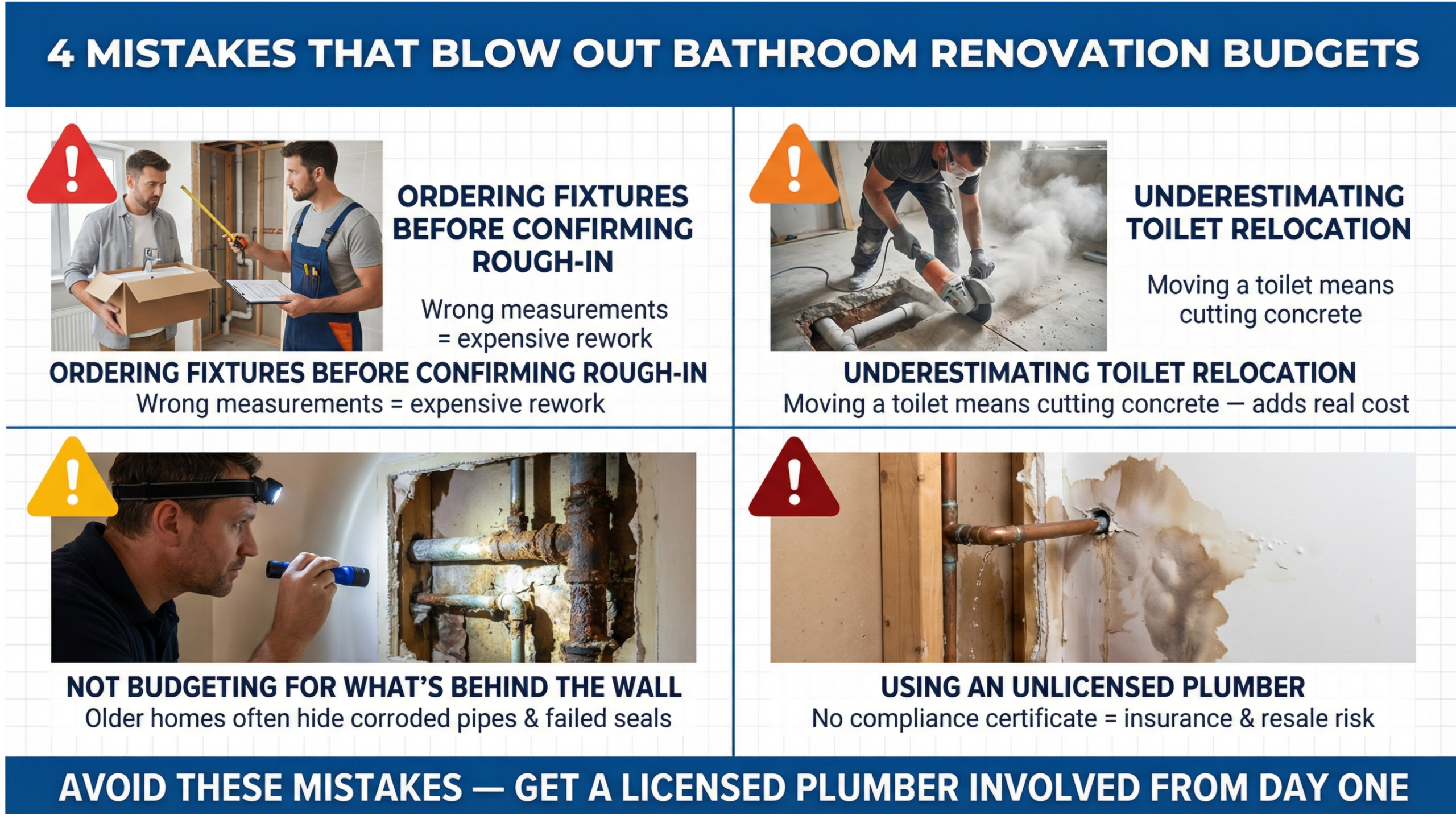
This one catches people out regularly. A homeowner finds a vanity they love, orders it, and then discovers the plumber needs the waste outlet in a position that doesn't match the cabinet's plumbing configuration. Some fixtures have fixed plumbing points that can't be adjusted. Others have flexible configurations but the standard position doesn't match what's in the wall.
The fix is always the same — confirm rough-in measurements with your plumber before you order anything. Ten minutes of conversation at the right time saves hours of rework.
Underestimating What Moving a Toilet Actually InvolvesMoving a toilet even a small distance — half a metre, say — means relocating the drain, which means cutting into the floor. If the floor is concrete, that's a concrete saw, temporary shoring, and making good after. It's doable and we do it regularly, but it's a job that adds meaningful cost and time to a renovation. If your current toilet position works with your new layout, there's real value in keeping it where it is.
Not Budgeting for What's Behind the WallIn older Berowra and Pennant Hills homes especially, there's always a chance that opening up the walls reveals something that needs attention — corroded pipes, failed seals, substandard original work. It doesn't happen on every job, but it happens enough that having a small contingency in your renovation budget is genuinely prudent. We'd rather tell you upfront that this is a possibility than have you feel blindsided if it comes up.
Using a Non-Licensed Plumber to Save MoneyWe hear about this one more than we'd like to. Someone gets a cheap quote from someone who isn't licensed, the work gets done, and then 18 months later there's a leak inside the wall. Or the renovation can't be signed off because the plumbing wasn't done by a licensed tradesperson. Licensed plumbing work in NSW comes with a certificate of compliance — unlicensed work doesn't, and that matters both for insurance and for resale.
Quick tip: Ask your plumber for their licence number before they start. Every licensed plumber in NSW has one and is happy to provide it. You can verify it on the NSW Fair Trading website in about 30 seconds.
What Does Bathroom Renovation Plumbing Cost in the Berowra and Pennant Hills Area?
The Range Is Wide — Here's WhyHonest answer: bathroom plumbing costs vary a lot depending on what's involved. A straightforward like-for-like renovation — same fixture positions, new fixtures, no structural changes — is significantly less involved than a full layout change in a 1970s home with original galvanised pipes. Both are valid projects, they just have very different scopes.
As a rough guide, plumbing labour for a standard bathroom renovation in the northern suburbs sits somewhere between $2,500 and $6,000 depending on complexity, not including fixtures. If there's a hot water system replacement involved, or significant pipe work due to layout changes, that figure goes up. We always provide a fixed-price quote once we've seen the space and understood the scope — there are no moving goalposts on price.
What Affects the Cost Most- Whether you're changing the layout or keeping fixtures in the same positions
- The age of the home and the condition of the existing pipe work
- Whether the hot water system needs attention at the same time
- Access — slab-on-ground versus suspended timber floor makes a significant difference for drain work
- Whether a second visit is needed for fit-off after tiling is complete
Once you have a rough idea of your new layout and the fixtures you're considering, that's the right time to bring us in. We don't need final selections — just enough to understand the scope. The earlier we're involved, the more useful we can be in terms of flagging anything that might affect cost or timeline before you're committed to a design.
Our renovation plumbing team works on bathroom renovations across Berowra, Pennant Hills, Berowra Heights, Turramurra and the surrounding northern suburbs. We're happy to come out for a no-pressure consultation before any work starts.
Choosing the Right Fixtures for Your New Bathroom
Tapware — Quality Matters More Than People ThinkThe tapware is one area where it genuinely pays to spend a bit more. Cheaper tapware uses lower-quality ceramic discs and seals that wear out faster — and when they start leaking, they're often not worth repairing because replacement parts aren't available. Better quality tapware from reputable brands lasts significantly longer and performs more consistently.
We've installed a lot of different brands over the years and we have a clear view on what holds up and what doesn't. If you're not sure what to choose, ask us — we'd rather steer you toward something that'll still be working perfectly in 15 years than fit something we know will be causing problems in three.
Shower Heads and Water PressureThe shower head you choose needs to match your water pressure situation. Some high-flow shower heads need good mains pressure to perform properly — if your home has lower pressure, you'll be disappointed. Rain-style overhead showers in particular can feel underwhelming at low pressure. We can test your existing water pressure and advise on what will actually perform well in your home before you buy anything.
Toilets — Back-to-Wall vs Floor-MountedBack-to-wall toilets and in-wall cisterns look great in a renovation and are popular right now, but they have a longer rough-in process and if the in-wall cistern ever needs maintenance, accessing it requires removing a panel. Floor-mounted close-coupled toilets are simpler, easier to service, and perform just as well. It's worth thinking about long-term serviceability, not just how it looks on day one.
Berowra and Pennant Hills Homeowners — Let's Get the Planning RightA bathroom renovation is one of the more significant investments you'll make in your home, and the plumbing is the part that has to be right from the beginning. Get it right and everything else falls into place. Get it wrong and you're looking at rework, delays and costs that nobody planned for.
Rectify Plumbing has worked on bathrooms across Berowra, Pennant Hills, Berowra Heights, Turramurra and the wider northern suburbs for years. We know the housing stock, we know what the older homes in this area tend to throw up when you open the walls, and we give people straight answers about what's involved before any work starts. If you're planning a bathroom renovation and want to understand the plumbing scope before you go any further, get in touch. We'll come out, have a look at what you're working with, and give you a clear picture of what's involved and what it'll cost. Take a look at our full plumbing services or reach out whenever you're ready. Request a Quote or Make an Enquiry -> rectifyplumbing.com.au [service_faqs]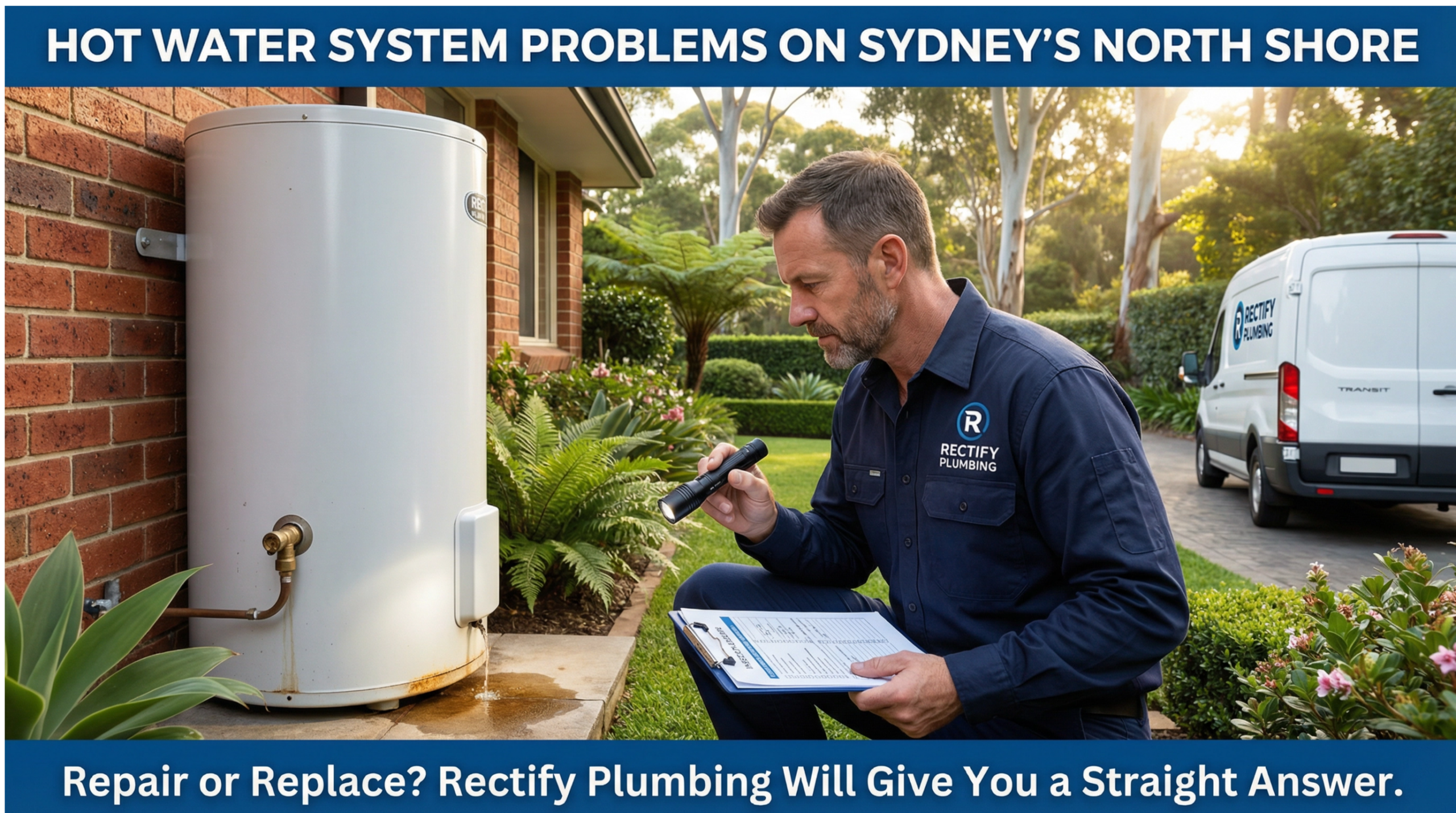
Hot Water System Problems on Sydney’s North Shore: Repair or Replace?
Why Hot Water Systems Fail — and Why North Shore Homes See It More Than You'd Think
These Units Work Around the ClockMost people don't think about their hot water system until it stops working. That's understandable — it sits out in the garage or on the side of the house and just quietly does its job. But unlike most appliances, your hot water system is running 24 hours a day, seven days a week, heating and maintaining a tank of water at a constant temperature regardless of whether anyone's using it.
That constant cycle of heating and cooling puts stress on components over time. Elements wear out. Thermostats fail. Anodes — the sacrificial rod inside the tank that protects it from corrosion — get depleted and stop doing their job. Most of these issues are fixable if they're caught early enough. The problem is that most homeowners don't know to look for them.
Hard Water and Sediment BuildupThe North Shore sits on relatively hard water compared to some other parts of Sydney. Over time, mineral sediment settles at the bottom of your hot water tank — you might have heard a rumbling or popping sound coming from your unit at some point. That's sediment sitting on the heating element and interfering with how efficiently it can heat the water.
Left long enough, sediment buildup reduces the system's efficiency, increases energy bills, and shortens the lifespan of the unit significantly. It's one of the most common things we find in older hot water systems on the North Shore, and it's largely preventable with regular servicing — which most people skip entirely.
Age Is the Biggest Factor of AllA gas storage hot water system has an average lifespan of about 10 to 12 years. Electric storage systems last roughly 8 to 12 years. Continuous flow (instantaneous) units tend to last longer — sometimes up to 20 years with good maintenance. Heat pump systems sit somewhere in the middle.
If your system is approaching or past those ages, it's worth factoring that into the repair-or-replace decision. Spending several hundred dollars repairing a 13-year-old electric storage system might not be the best use of money if the unit is likely to need another repair in 12 months.
Quick tip: Write the installation date on a piece of tape and stick it to the unit right now if you don't know how old it is. You can usually find the age from the serial number — call us and we can help you decode it.
Signs Your Hot Water System Needs Attention
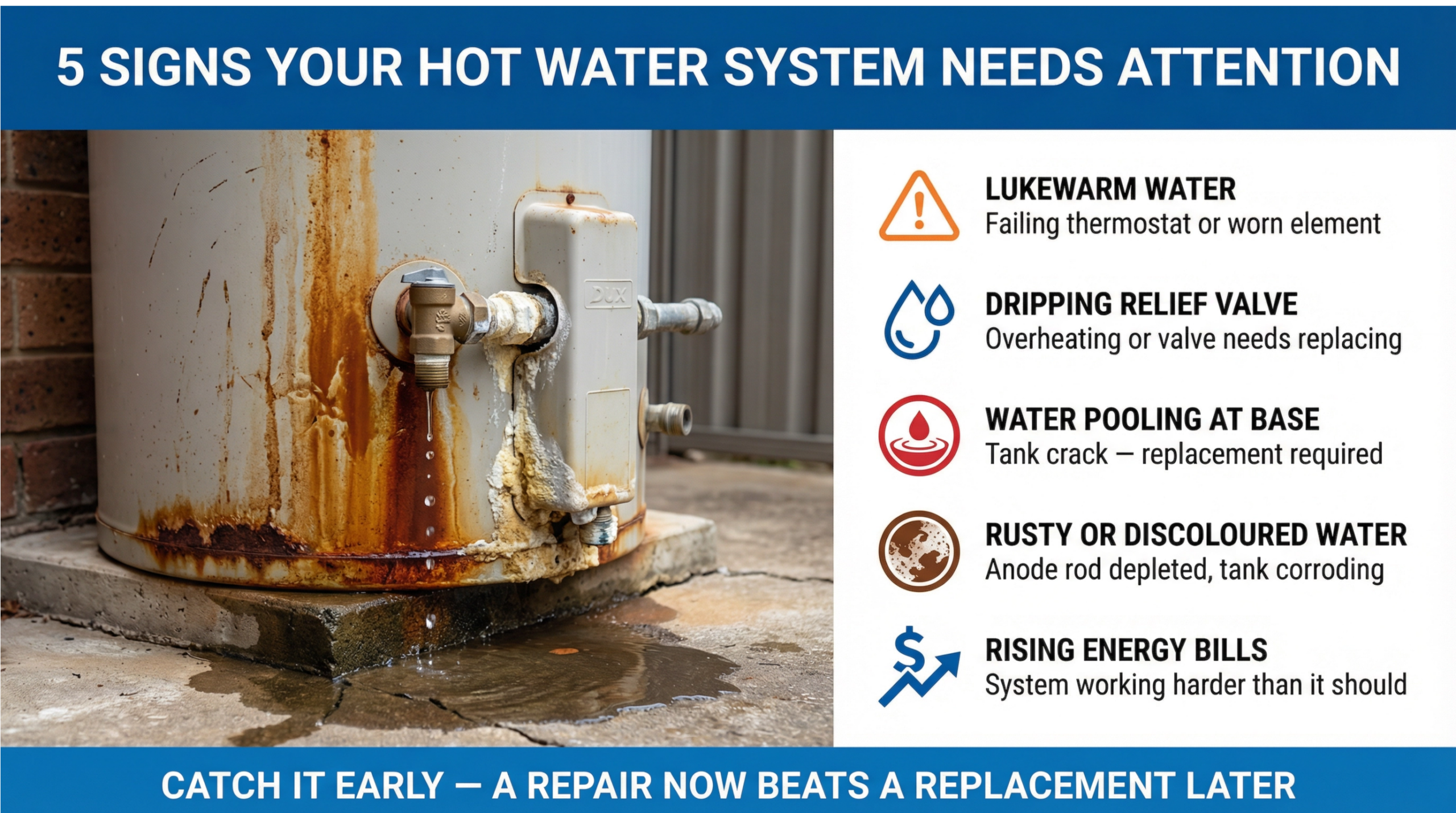
Some of these are obvious. Some aren't. Here's what to look for before the system fails completely:
You're Getting Lukewarm Water Instead of HotIf the water gets warm but never really hot, or it's hot for two minutes and then drops off, the most likely culprits are a failing thermostat, a worn-out heating element, or a tank that's too small for your household's demand. All of these are diagnosable and usually repairable.
The Pressure Relief Valve Is DrippingEvery hot water system has a temperature and pressure relief (TPR) valve on the side — it's a safety device that releases pressure if the system overheats. If that valve is dripping water constantly, it's either working overtime because the thermostat is set too high, or it's worn out and needs replacing. Either way, don't ignore it. A TPR valve that fails completely is a serious safety issue.
Water Around the Base of the UnitA small amount of condensation around the base is sometimes normal. A puddle, or water that keeps reappearing after you dry it up, is not. It usually means the tank itself has developed a crack or a pinhole leak — and once that happens, the tank needs to be replaced. There's no patch for a leaking hot water tank.
Discoloured or Rusty WaterIf you're getting brown or rust-coloured water from your hot tap, the anode rod inside your tank has likely been depleted and the tank is starting to corrode from the inside. This is a sign the system is near the end of its life. Some leaking tap and water quality issues can also point back to hot water system problems — it's worth getting both checked at the same time.
Your Energy Bills Have Crept UpA hot water system that's working harder than it should to heat the same amount of water will show up on your electricity or gas bill over time. If you haven't changed your habits but your bills have gone up, the hot water system is worth looking at — especially if it's more than eight years old.
We had a call from a homeowner in Mount Colah whose electric hot water system had been making a loud rumbling noise for about six months. She'd been told by someone it was 'just normal'. When we arrived, the heating element was almost completely caked in mineral scale and the anode rod had been depleted for years. The tank itself was still in good condition, so we replaced the element and the anode and the system ran quietly and efficiently from that point on. If she'd left it another year, the tank itself would have started corroding and we'd have been looking at a full replacement. A repair at the right time saved her a significant amount of money.Repair or Replace — How We Actually Make That Call
This is the honest version of how we work through it when we arrive at your property. There's no fixed rule, but there are a few clear indicators on each side.
Repair Makes Sense When...The system is under 8 to 10 years old and the fault is a single component — a thermostat, an element, a valve, an anode rod. These are relatively straightforward repairs and the cost is usually well worth it given the remaining life of the unit. We carry common replacement parts on the van, so in many cases it's done on the same visit.
Even an older system can be worth repairing if it's been well maintained and the fault is genuinely minor. We'll tell you honestly what we find.
Replacement Makes More Sense When...The tank itself is leaking — full stop. There's no repair for a cracked tank. The system is over 10 to 12 years old and we're finding multiple issues, or the repair cost is getting close to half the price of a new unit. The system has had repeated repairs in the past two or three years. Or there's been a complete loss of water to the unit due to a burst or failed pipe that's also caused damage to the system itself.
If replacement is the right call, we'll explain exactly why, give you a fixed price, and in most cases we can do it the same day. We stock and install gas, electric and heat pump systems.
And Sometimes It's a Conversation About UpgradingA lot of North Shore homeowners we work with are still running older electric storage systems that are costing them more to run than they need to. Heat pump systems in particular have improved dramatically in the last few years — they use roughly a third of the electricity of a standard electric storage system, and the government rebates available in NSW can significantly offset the upfront cost.
It's not a conversation we push on people — but if the question comes up, we're happy to walk you through what makes sense for your property and your energy usage.
Gas vs Electric vs Heat Pump — Which One Suits a North Shore Home?
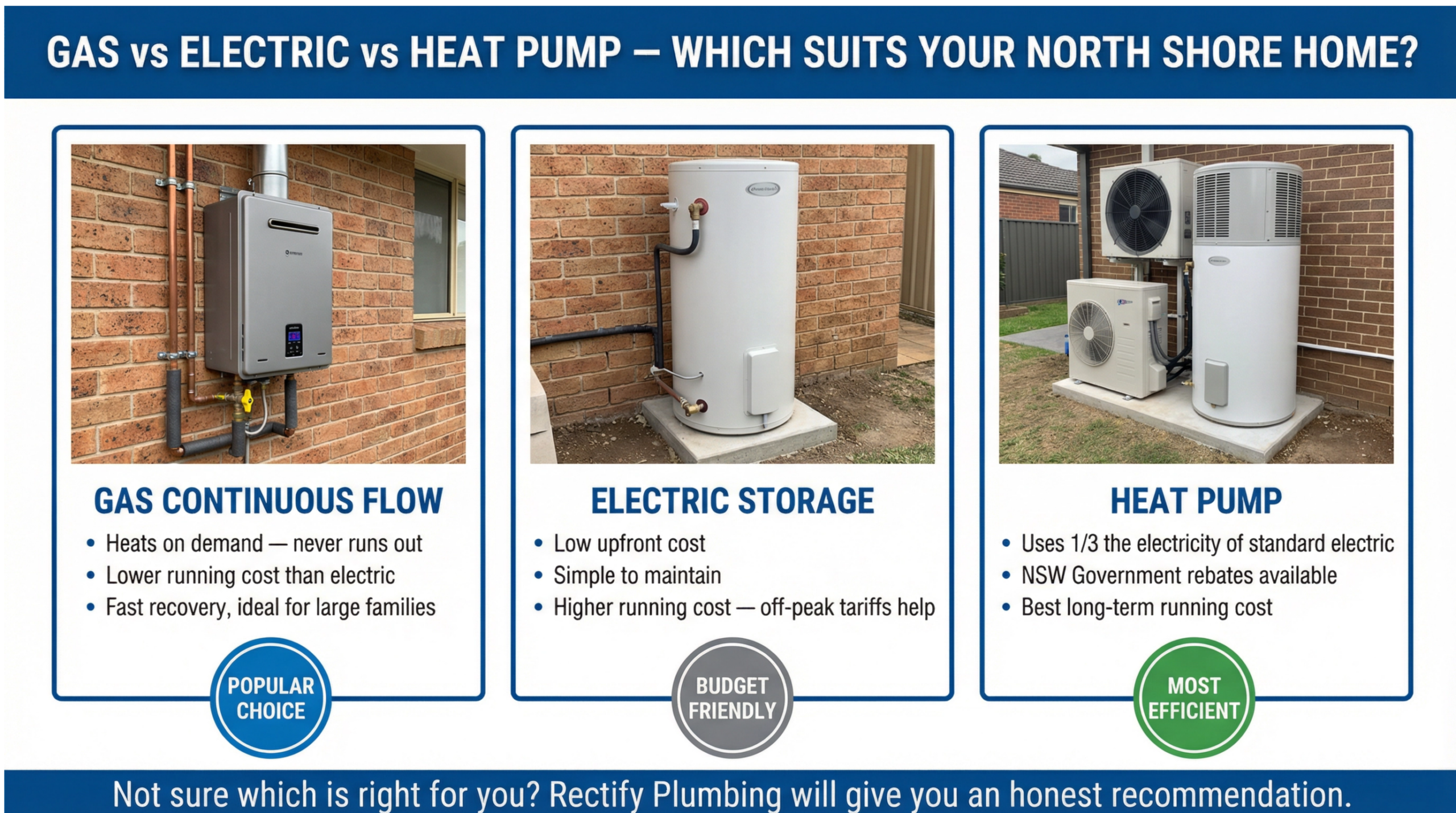 Gas Storage and Continuous Flow
Gas systems heat water quickly, recover fast, and generally have lower running costs than standard electric storage — though that gap has narrowed in recent years as electricity tariffs have shifted. Continuous flow gas (also called instantaneous) is popular in North Shore homes because it only heats water on demand, which means you're not paying to keep a tank warm around the clock. It also means you never run out of hot water mid-shower.
The catch is that gas continuous flow systems require a large gas pipe to deliver enough flow rate, so if your home doesn't already have the right gas supply, there can be additional installation cost involved.
Electric StorageElectric storage systems are straightforward, have low upfront cost, and are easy to maintain. The downside is running cost — they're more expensive to operate than gas or heat pump systems, particularly in a larger household where demand is high. Off-peak tariffs can reduce this, but it requires your hot water system to be set up to use off-peak electricity, which not all of them are.
If you've got an older electric storage system that's still working fine and you're not ready to switch, a simple service — checking the element and replacing the anode — can extend its life considerably. Our hot water repair and installation service covers all electric system types.
Heat Pump SystemsHeat pumps are the most energy-efficient option available — they move heat from the surrounding air rather than generating it, which is why they use so much less electricity. They're also eligible for significant government rebates under the NSW Energy Savings Scheme, which can bring the installed cost down meaningfully.
The main considerations are that they need adequate space and airflow around them to work efficiently, and they do make some noise during operation — less than an air conditioner, but more than a standard storage system. For most North Shore properties with reasonable outdoor space, they're a very strong choice.
Quick tip: If you're replacing an old electric storage system, it's worth asking us about heat pump rebates before you decide. The rebate can sometimes cover a third or more of the replacement cost.
What to Expect When You Call Rectify Plumbing for a Hot Water Problem
Same-Day Service Where PossibleHot water isn't an optional luxury — especially in winter, and especially in a family home. We do everything we can to turn around hot water jobs on the same day, including emergency callouts when the system has completely failed overnight. When you call, we'll ask a few questions to understand what we're dealing with, let you know roughly how long we'll be, and turn up with the parts most likely to be needed based on what you've described.
A Diagnosis Before a QuoteWe don't give you a price over the phone and then change it when we arrive. We come out, look at the system, tell you what's wrong, and give you a fixed price to repair or replace before any work starts. If you'd rather get a second opinion before committing, that's completely fine — we won't pressure you.
We Cover the Whole North ShoreOur team regularly services Pymble, Mount Colah, Turramurra, Ryde, Killara, St Ives, Thornleigh and the surrounding North Shore suburbs. If you're not sure whether we cover your area, just call — the answer is almost certainly yes. Take a look at our full plumbing services and get in touch anytime.
North Shore Homeowners — We'll Give You a Straight Answer
Hot water problems have a way of feeling more complicated than they need to be. Different system types, repair versus replace decisions, rebates, running costs — it can be a lot to work through when you just want hot water.
Our approach is simple: we come out, we look at what you've got, and we tell you honestly what we'd recommend and why. No upselling you a new system if a repair will sort it. No patching something that's genuinely past its useful life just to send you a cheaper invoice today.
Rectify Plumbing services hot water systems across Pymble, Mount Colah, Turramurra, Ryde, Killara, St Ives, Thornleigh and the wider North Shore. We're available 24 hours a day for emergency hot water failures and aim for same-day service on all hot water jobs. Get in touch and we'll get you sorted.
Request a Quote or Make an Enquiry -> rectifyplumbing.com.au [service_faqs]
Emergency Plumber Epping: What to Do When a Plumbing Crisis Hits at the Worst Time
What Actually Counts as a Plumbing Emergency?
This is genuinely one of the most common questions we get — usually from someone who's already been staring at a problem for an hour trying to decide whether to call. So let's be straight about it.
These Are Emergencies — Call Us NowA burst or split pipe, especially one that's actively leaking water. Water coming through your ceiling or walls. Sewage backing up into your bathroom, shower or laundry. A complete loss of water to the whole house. A gas smell anywhere near your appliances or hot water system.
These situations can cause serious structural damage, health hazards, or safety risks if they're left for even a few hours. Don't wait until morning. Don't Google it for 45 minutes first. Call a plumber.
These Can Usually Wait Until the Next MorningA slow-draining sink that's been gradually getting worse. A dripping tap that's dripping a bit more than usual. A toilet that's running but still flushing. A hot water system that's giving you lukewarm water rather than none at all.
None of these are great, but none of them will destroy your house overnight. Book a morning appointment and get some sleep.
The Grey Area — Use Your JudgementA hot water system that's stopped working entirely sits somewhere in the middle. If it's the middle of summer and you've got a healthy household, you can probably get through one night without hot water. If it's winter, or there are young kids or elderly people in the house, that's a same-day job. Call us and we'll help you work it out over the phone.
Quick tip: If you're not sure whether it's an emergency, call us anyway. We'd rather talk you through it and tell you it can wait than have you cause more damage trying to manage it yourself overnight.
The Most Common Plumbing Emergencies We See in Epping & the Hills District
Burst Pipes — Especially in Older Epping HomesEpping has a lot of older residential properties, and with older homes come older pipes. Copper and galvanised steel pipes that were installed in the 1970s and 80s are starting to reach the end of their natural lifespan. They corrode from the inside over time, the walls get thinner, and eventually — sometimes triggered by a cold snap or a sudden pressure change — they split.
When a pipe bursts inside a wall or under the floor, you might not see the water straight away. What you notice first is usually a sudden drop in water pressure, a wet patch appearing on the ceiling or wall, or the sound of running water somewhere in the house when everything is turned off. If you notice any of these, turn off your water at the main immediately and call us. Our burst pipe service covers Epping and surrounding suburbs 24 hours a day.
Hot Water System Failures OvernightYour hot water system works harder than most people realise — it's heating and storing water around the clock, every day of the year. Like any appliance, they fail eventually. And for some reason, they seem to fail most often overnight or early in the morning, right when you're about to jump in the shower.
The most common signs are waking up to no hot water at all, a pilot light that's gone out on a gas system and won't relight, water pooling around the base of the unit, or a relief valve that's dripping constantly. Some of these are fixable on the spot; others mean the unit needs replacing. Either way, our hot water repair and installation team can usually get you sorted same day — even for emergency callouts.
Drain Backups and Sewage IssuesA completely blocked drain that causes sewage to back up inside your home is not a 'wait and see' situation. We've been called to Epping homes where homeowners waited a day or two hoping it would clear, and by the time we arrived there was sewage sitting in the shower, the laundry tub was overflowing, and the whole bathroom floor was wet.
Apart from being deeply unpleasant, sewage backup creates genuine health risks — especially if there are kids in the house. If your toilet won't flush, your shower drain is filling up instead of draining, or you can smell sewage inside the house, call us. Our blocked drain team will come out and clear it properly, not just push it further down the line.
We had a call from a family in Epping on a Saturday night — their main bathroom was completely out of action, toilet backing up and shower filling with water. They'd been trying to sort it themselves for most of the afternoon. When we arrived, we found a major root intrusion about two metres into the main drain line. We cleared it with a jet blast that night and they were back up and running before midnight. The husband mentioned they'd noticed the toilet flushing slowly for a couple of months before it fully blocked. That one's worth remembering — a slow flush is your drain telling you something is building up.What to Do in the First Few Minutes — Before We Arrive
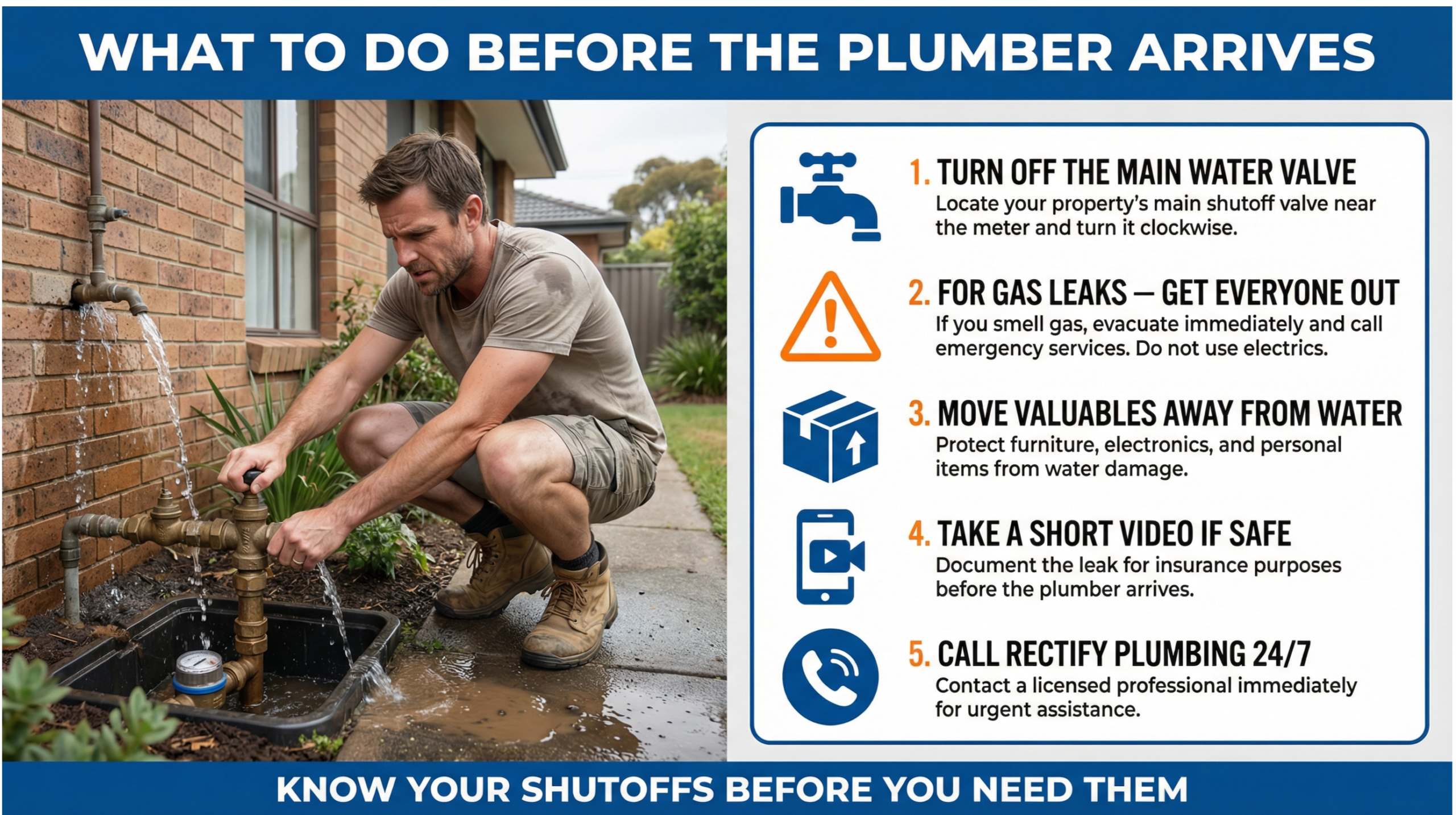
This is really important. The actions you take in the first five to ten minutes of a plumbing emergency can make a big difference to how much damage you end up with. Here's what we tell every caller:
Turn Off the Water SupplyIf water is actively going somewhere it shouldn't be — leaking from a pipe, overflowing from a fixture, coming through a ceiling — the first thing you do is shut off the water. Every home has a main water shutoff valve, usually near the water meter at the front of the property or under the kitchen sink.
Turn it off. Even if you're not sure exactly what's happening. Stopping the flow of water is almost always the right call while you wait for help to arrive.
For Gas Issues — Don't Touch AnythingIf you can smell gas, do not turn any lights on or off, do not use your phone inside the house, and do not try to find the leak yourself. Get everyone out of the house, leave the doors open as you go, and call from outside. Gas leaks are not a DIY situation under any circumstances.
Know Where Your Shutoffs Are Before You Need ThemHonestly, the best time to work this out is right now, not at midnight when something goes wrong. Walk around your house and find your main water shutoff, your hot water system isolation valve, and your gas meter shutoff if you're on gas. Five minutes now could save you a lot of damage later.
Take a Quick Video If It's Safe to Do SoIf the situation is stable enough, a 30-second video of what's happening is genuinely useful for us. It helps us bring the right equipment on the first visit rather than having to make a second trip. Just send it through when you call.
Quick tip: Once the water is off, move anything valuable or electrical away from the affected area. Water damage to furniture and appliances adds up fast.
Why Local Matters for Emergency Plumbing in Epping
Response Time Is EverythingWhen water is actively going somewhere it shouldn't be, every extra 15 minutes matters. A local plumber who knows Epping and the surrounding suburbs can get to you significantly faster than a centralised dispatch service that's sending someone from 40 minutes away.
We're not a national call centre. When you call Rectify Plumbing, you're talking to our team — people who service Epping, Carlingford, Pennant Hills, Thornleigh and the Hills District regularly. We know the roads, we know the area, and we can tell you honestly how long we'll be.
Experience With the Housing Stock in This AreaKnowing the area also means knowing what kinds of problems are common in the housing stock here. Older Epping properties tend to have copper pipe systems that are starting to age out. A lot of homes in this area have their hot water systems in tight roof spaces or poorly ventilated areas. These are the kinds of things that a plumber who's worked the area for years will factor in before they even walk through your door.
No Surprises on the BillEmergency callouts are more expensive than a standard booking — we're not going to pretend otherwise. But we're transparent about it. We tell you the callout fee before we come out, we explain what we find and what it'll cost to fix before we start work, and there are no surprise charges added at the end. We've heard too many stories from new customers who called a big national service and got a shock when the invoice arrived. That's not how we operate.
Hot Water Emergencies in Epping — A Special Mention
Hot water system failures make up a big chunk of our emergency callouts in this area — enough that they deserve their own section.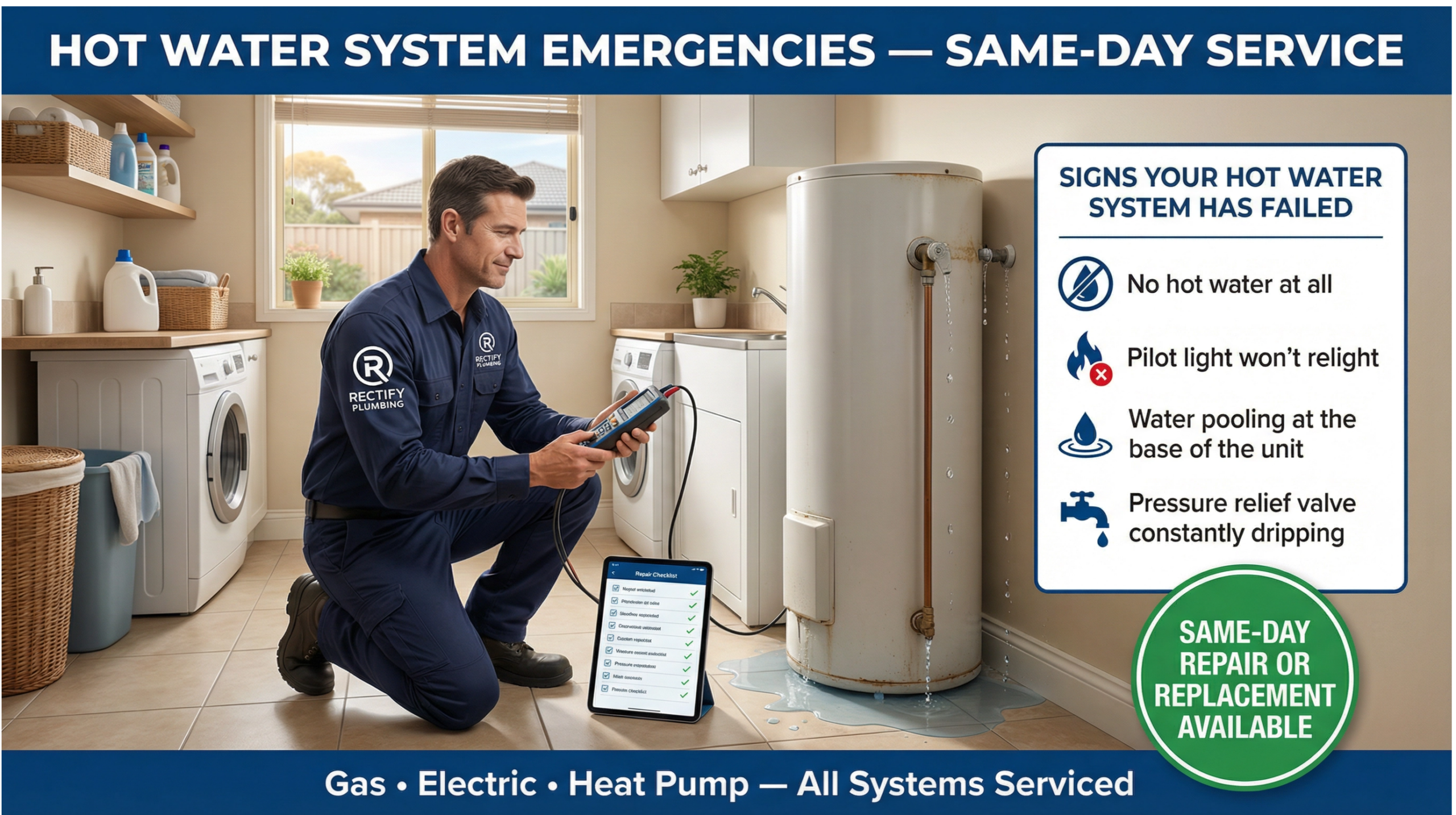
Before you call us, it's worth doing two quick checks. First, if you're on gas, check that the pilot light is still lit. Some systems have a reset button you can press if the pilot has gone out. Second, check the circuit breaker for your hot water system — if it has tripped, resetting it might restore power to the unit.
If neither of those things fix it, or if there's water leaking from the unit, the pressure relief valve is constantly dripping, or the water coming out is discoloured, that's a job for us. Our hot water service team carries common replacement parts and units on the van, so in many cases we can have you back in hot water on the same visit.
Repair vs Replace — We'll Be Honest With YouIf your hot water system is under 8 to 10 years old and the issue is a component failure — a thermostat, an element, a valve — repair is usually the right call. If it's older than that and we're finding multiple issues, or the tank itself has been leaking, we'll tell you honestly that a replacement is the better investment. There's no point patching a unit that's going to need another repair in six months.
We stock and install a range of hot water systems including gas, electric and heat pump units. If a replacement is the right call, we can usually do it same day.
Epping Homeowners — We're Here When It Goes WrongPlumbing emergencies are stressful enough without having to chase down a plumber who doesn't know the area, takes an hour to arrive, and then isn't sure what they're dealing with. That's not the experience we want you to have.
Rectify Plumbing has been looking after homes across Epping, Carlingford, Thornleigh, Pennant Hills and the wider Hills District for years. Our team is available 24 hours a day, seven days a week — and when you call, you'll speak to someone who can actually help you, not a booking system.
Take a look at our full range of plumbing services or get in touch now. We'll ask you a few quick questions, let you know how long we'll be, and get your home sorted.
Need a gas plumber in Epping? Experiencing hot water system issues? Rectify Plumbing handles all your plumbing needs across Epping, Carlingford, Thornleigh, Pennant Hills and the Hills District. Request a Quote or Make an Enquiry -> rectifyplumbing.com.au [service_faqs]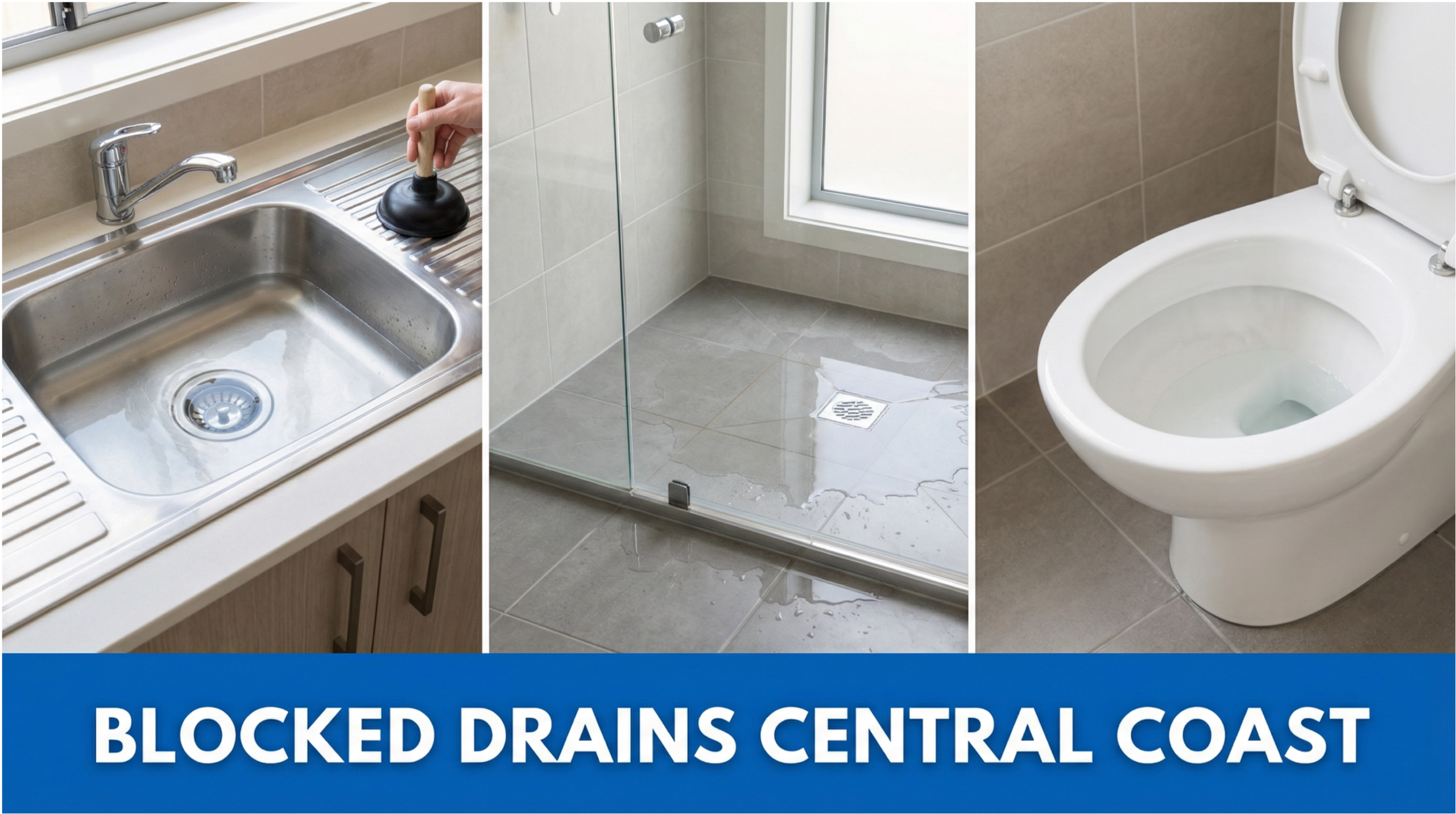
Blocked Drains Central Coast: Causes, Warning Signs & When to Call a Plumber
Why Blocked Drains Are So Common on the Central Coast
Clay Soils and Tree Root Intrusion Much of the Central Coast sits on clay-heavy soils. Clay expands when wet and contracts when dry — and over years, this constant movement puts pressure on underground pipes, causing small cracks and joint separations to form. Once a pipe cracks, it becomes an open invitation for tree roots.
Roots are naturally drawn to moisture and can work their way into even the tiniest gap in a pipe. Once inside, they grow rapidly — eventually causing a full blockage. We regularly find mature root systems inside drainage pipes in older Gosford and Wyoming properties, particularly homes built before the 1990s with original terracotta pipes.
Ageing Pipe Infrastructure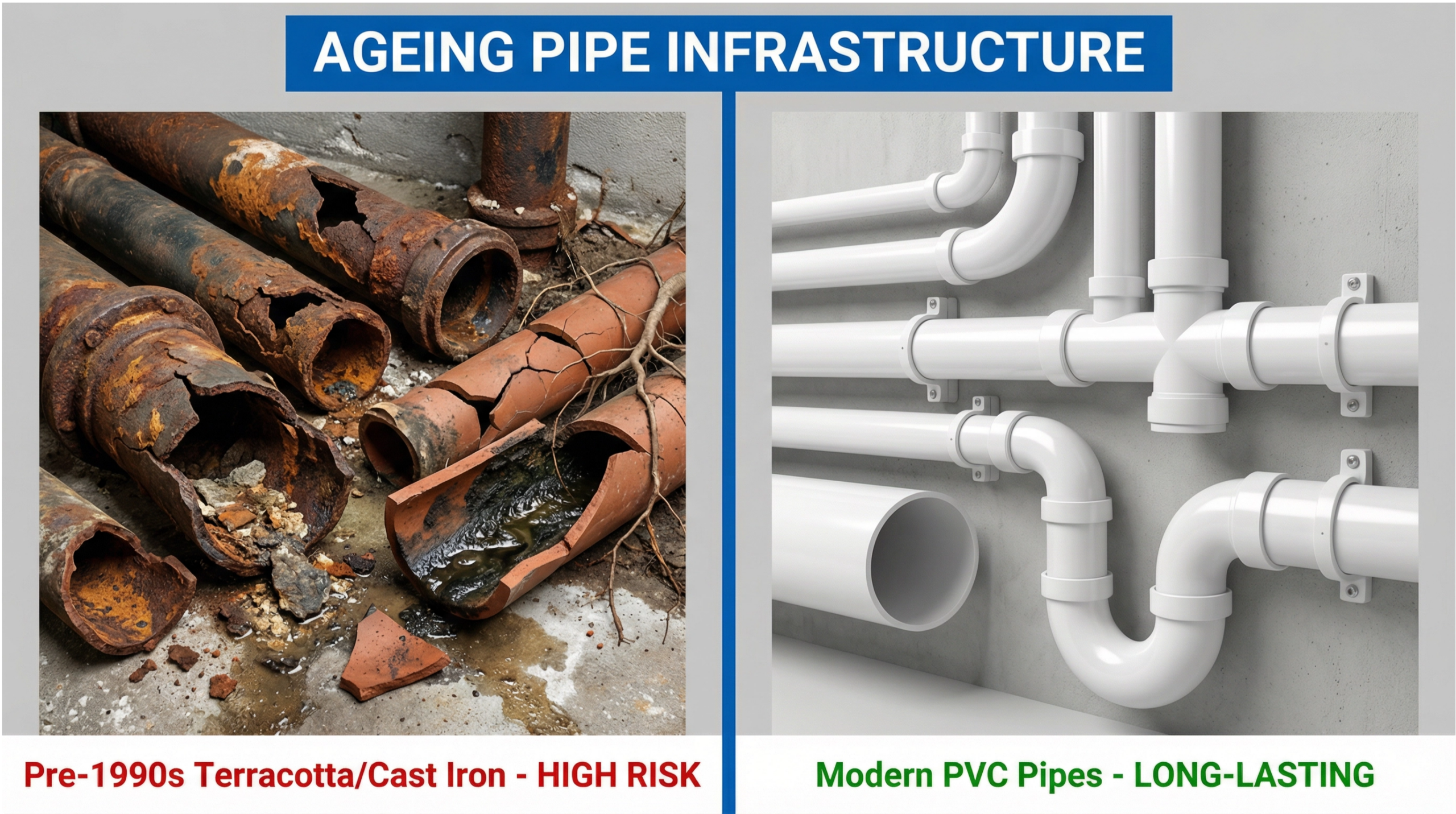 Many Central Coast homes — particularly in established suburbs like East Gosford, Springfield and Narara — still have the original clay or cast-iron pipes installed during construction. These pipes are well past their expected lifespan and are far more prone to cracking, collapsing and blockages than modern PVC pipes.
If your home is more than 30 to 40 years old and you've never had a drain inspection, there's a good chance the pipes are showing signs of deterioration that are not visible from the surface.
What Goes Down the Drain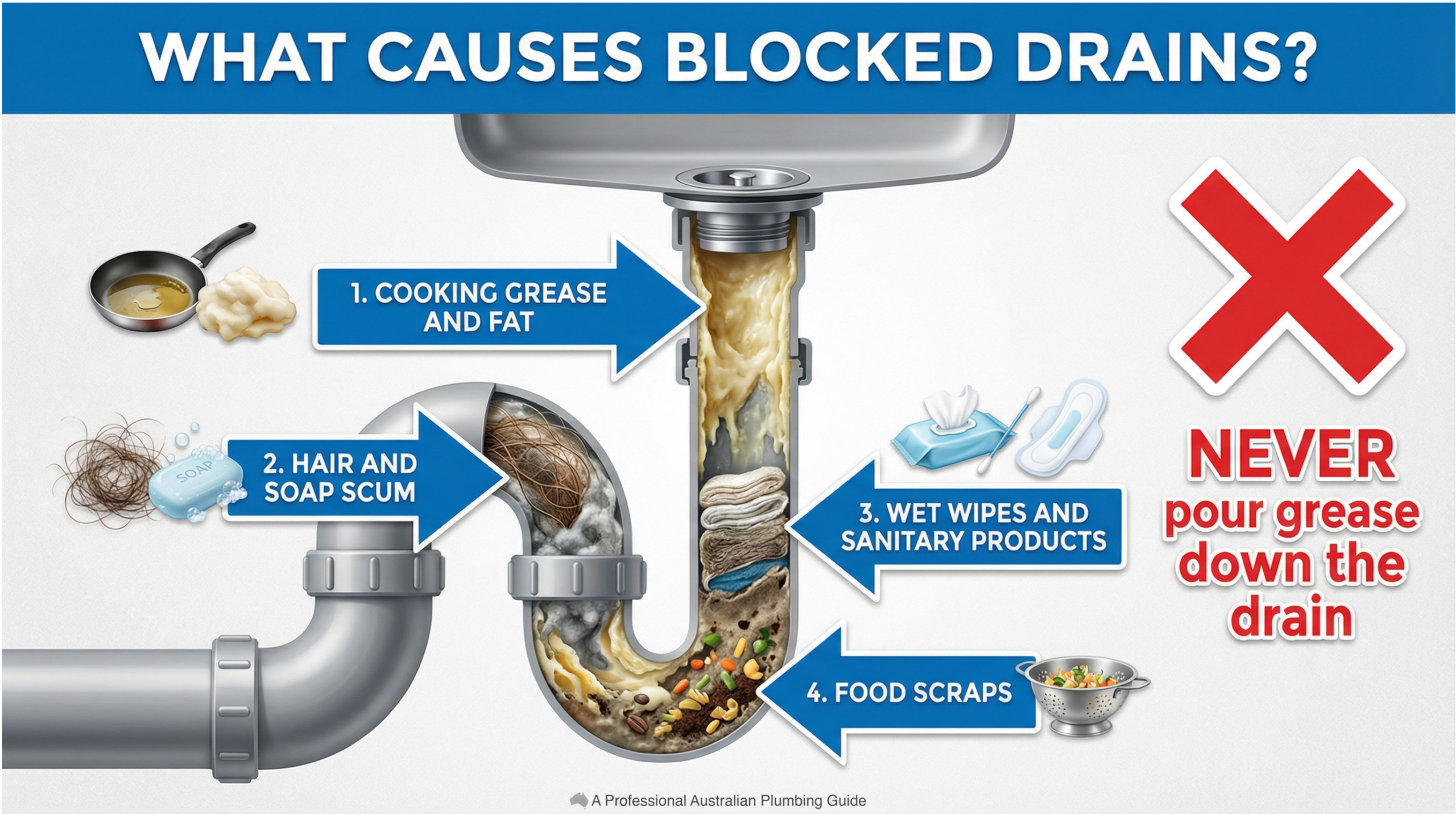
Beyond soil conditions and pipe age, the most common culprits for blocked drains are things that shouldn't be going down them in the first place — cooking grease, wet wipes (including supposedly 'flushable' ones), food scraps, hair, soap scum and sanitary products.
Grease and fat are particularly problematic. They flow easily when hot, but as they cool inside your pipes they solidify and build up layer by layer, gradually narrowing the pipe until the flow is completely restricted.
Tip: Never pour cooking fat or oil down the sink. Let it cool and dispose of it in your general waste bin instead.
5 Warning Signs Your Drain Is About to Block Completely
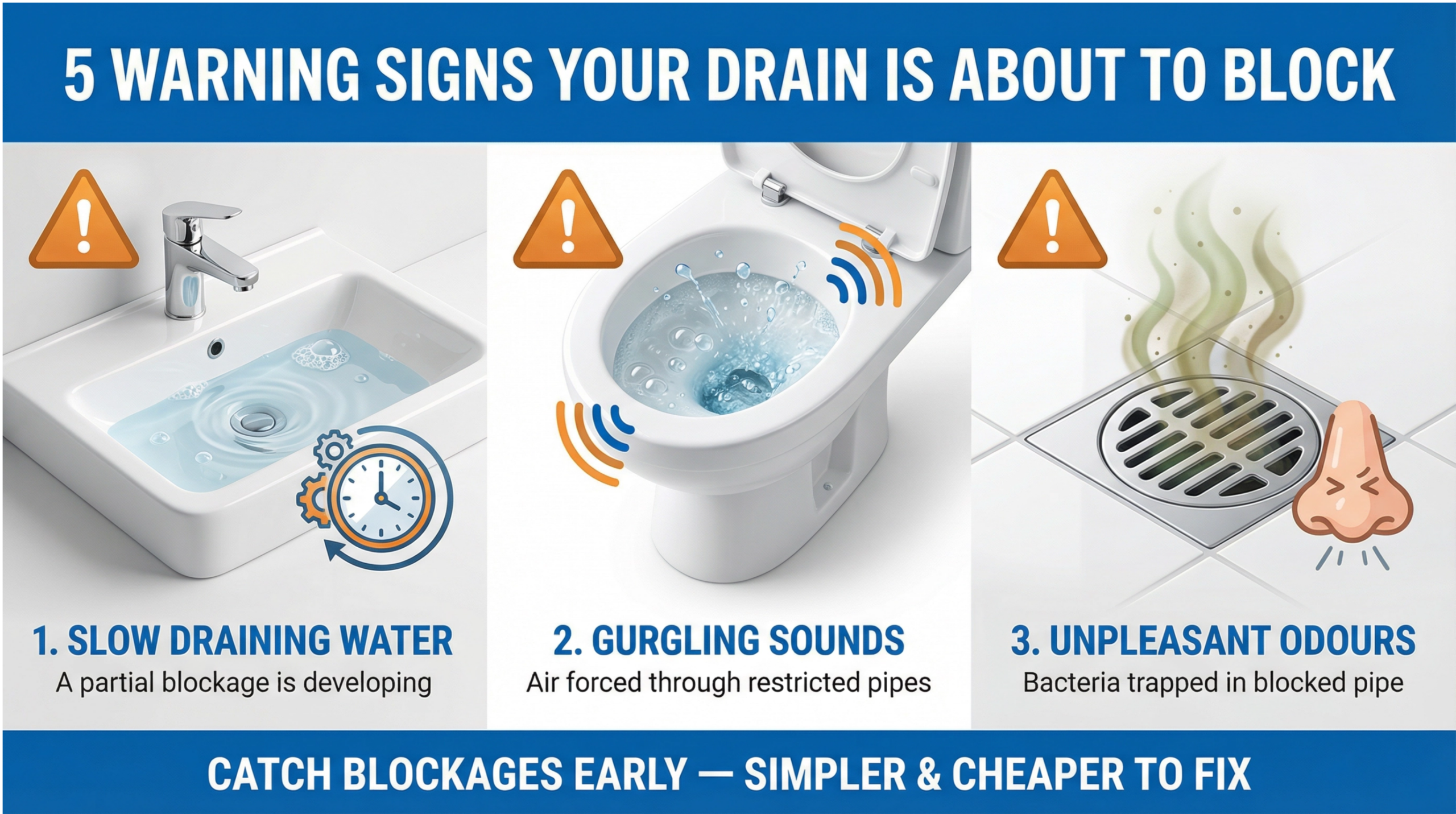
- Water Is Draining Slowly
- Gurgling Sounds After Flushing or Draining
- Unpleasant Smells Coming from Drains
- Water Backing Up Into Other Fixtures
- Changes in Your Lawn or Garden
Tip: If you notice two or more of these signs together, don't wait. Catching a blockage early almost always means a simpler, less expensive repair.
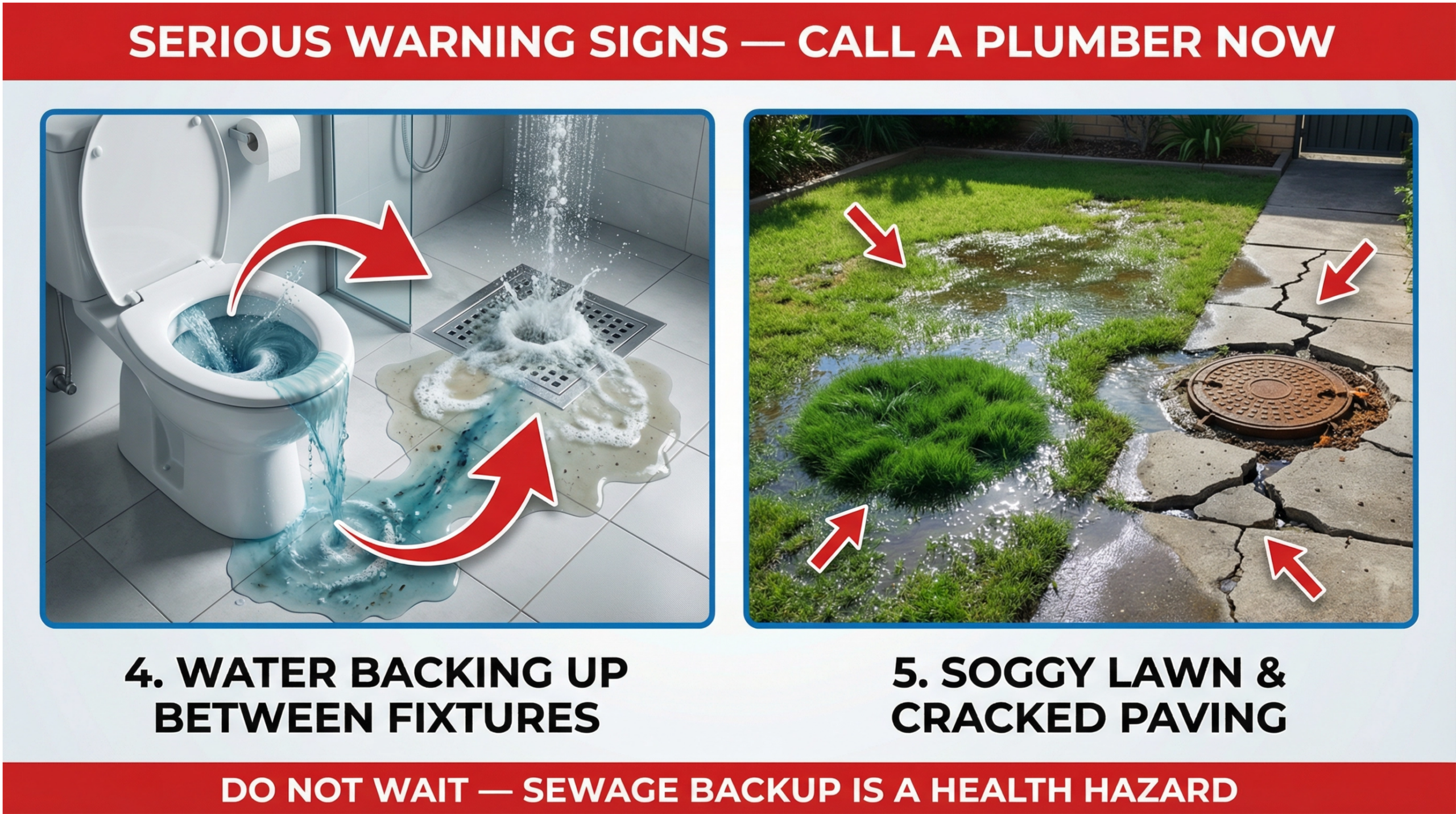
What Happens During a Professional Drain Inspection and Clear
Step 1 – CCTV Camera Inspection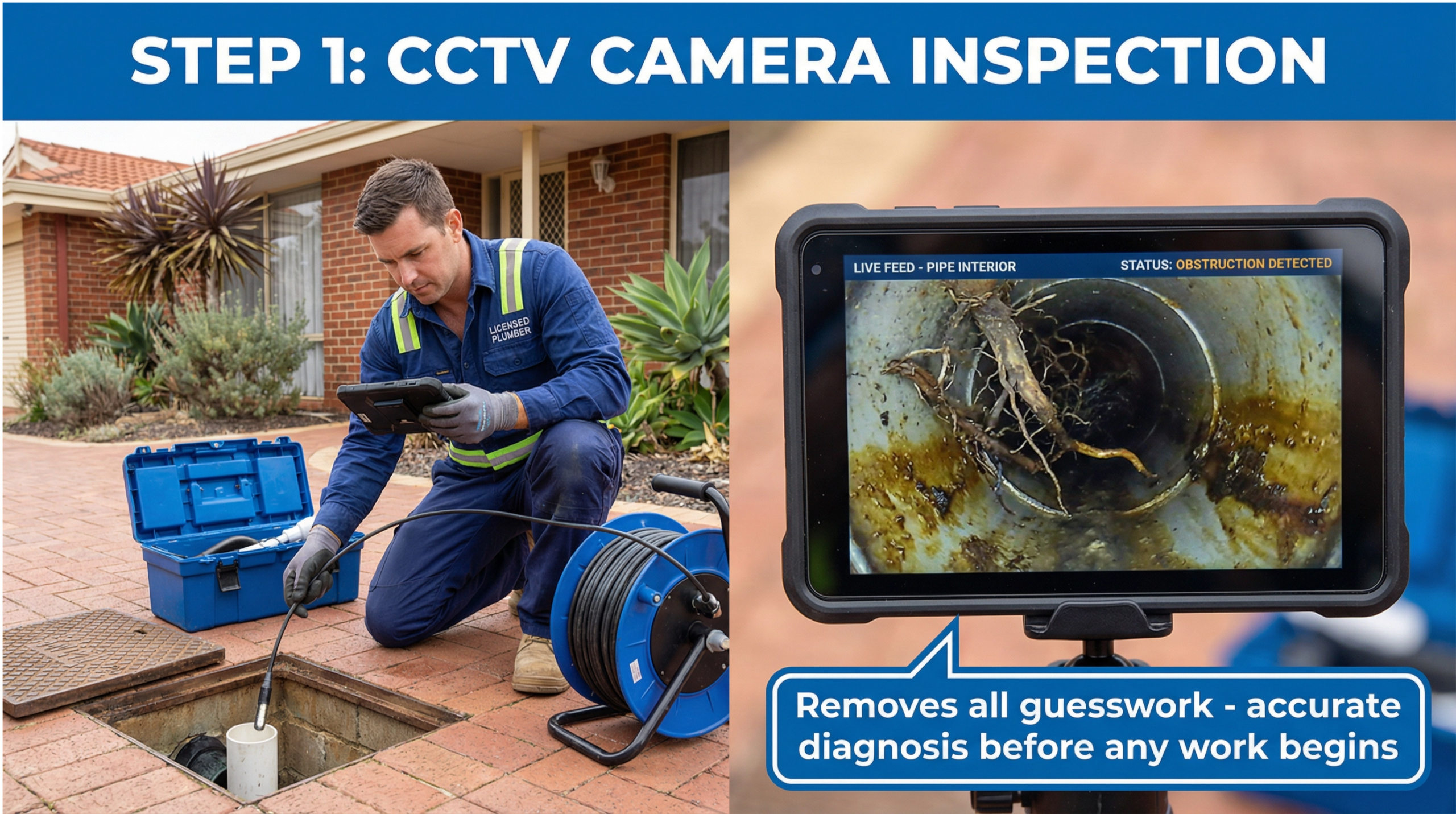
The first step is always understanding exactly what is causing the blockage and where it is located. Our team uses a CCTV drain camera inspection to pass a waterproof camera through your pipes and get a live video feed from inside your drain. This tells us precisely what we are dealing with — grease buildup, tree root intrusion, a cracked pipe section — before any work begins.
A camera inspection removes the guesswork entirely. It also means we can provide an accurate, honest quote upfront rather than uncovering additional problems partway through the job.
Step 2 – Jet Blasting to Clear the Blockage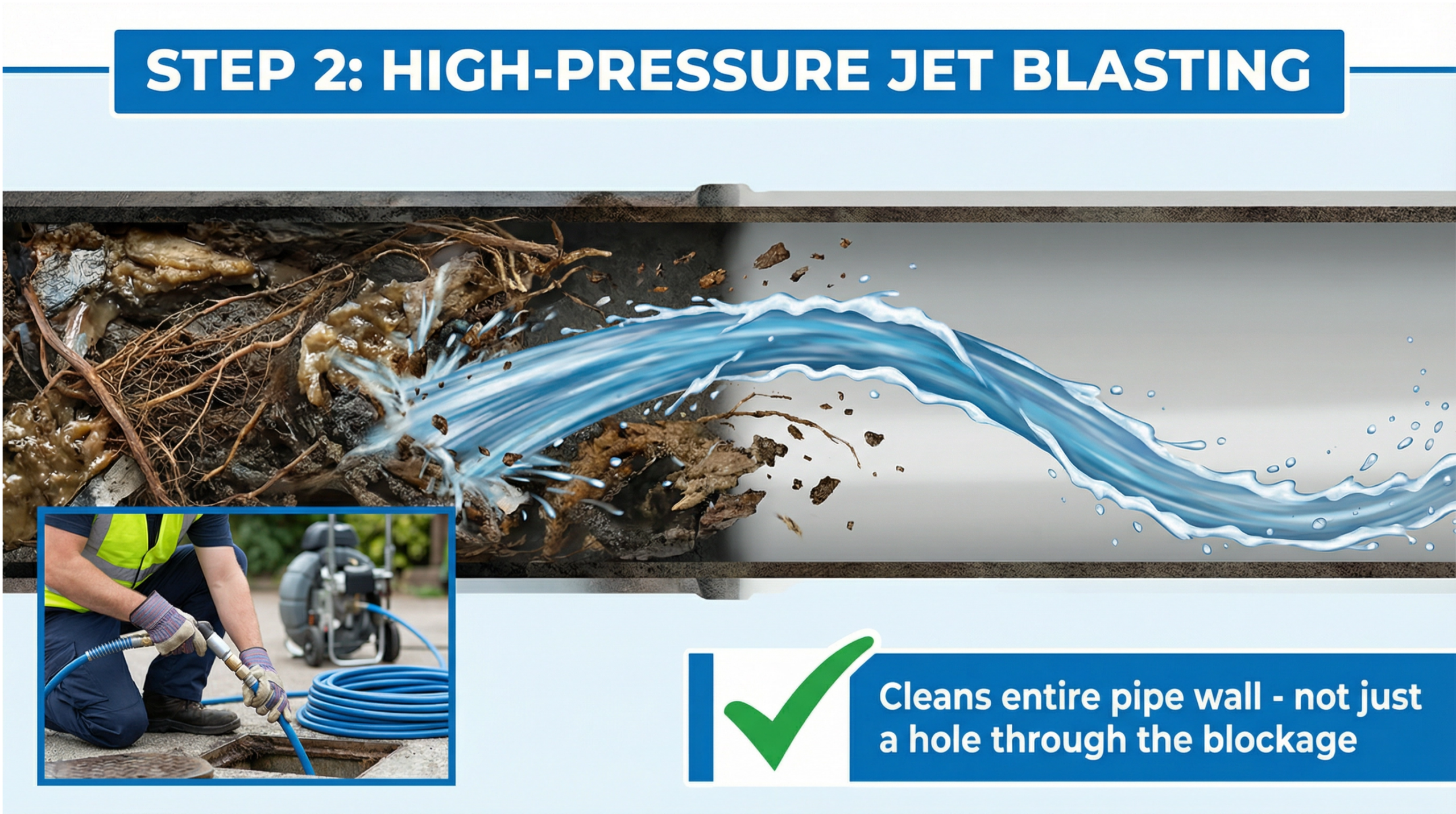
For most blocked drains, we use high-pressure water jet blasting. A jet blaster delivers a concentrated stream of water at extremely high pressure through your pipes, cutting through grease, flushing out debris and slicing through tree root growth. It is far more effective than a drain snake for anything beyond a very minor blockage, and it cleans the entire pipe wall — not just a hole through the middle of the blockage.
After jet blasting, we run the camera through again to confirm the pipe is fully clear and to check for any structural damage. Learn more about our blocked drain services and what to expect when you call us out.
Step 3 – Pipe Relining If Required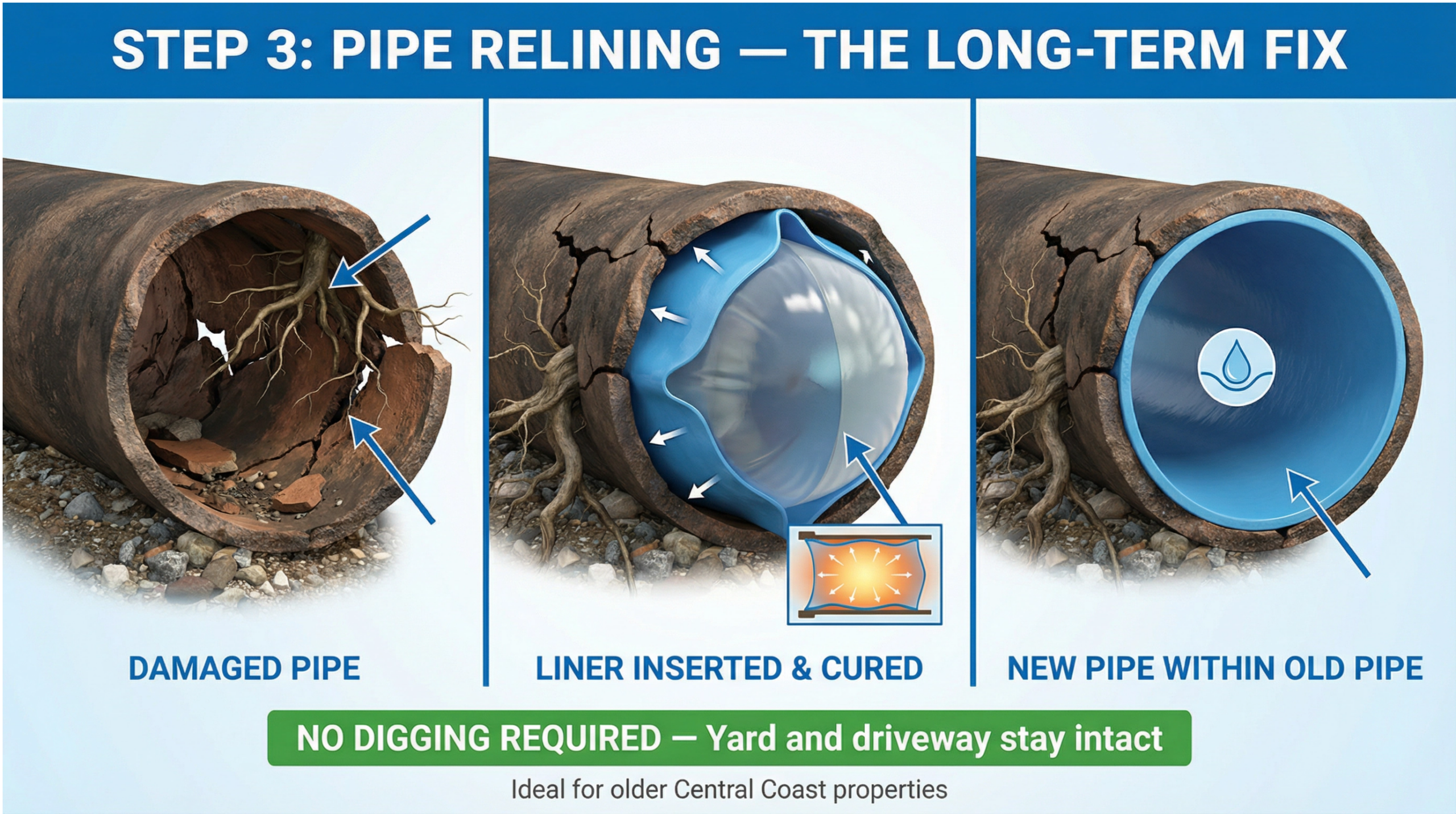
If the camera reveals cracks, joint damage or significant root intrusion that is likely to cause repeat blockages, we may recommend pipe relining as a long-term solution. Pipe relining involves inserting a flexible resin liner into the existing damaged pipe and curing it in place — creating a smooth, seamless new pipe surface without the need to dig up your yard or driveway.
It is a cost-effective and minimally invasive solution that is particularly well-suited to older Central Coast properties, where full pipe replacement would be highly disruptive and expensive.
Real example: A homeowner in Gosford recently contacted Rectify Plumbing after their bathroom drain had been slow for several months. Our team ran a CCTV camera inspection and located a significant root intrusion from a neighbouring fig tree approximately four metres inside the drain. We jet blasted the line clear and pipe relined the affected section. The homeowner has had no further issues since.
DIY vs. Professional Drain Clearing — What Is Safe to Try at Home
What You Can Try YourselfFor a very minor, slow-draining basin — likely caused by a hair or soap buildup right at the drain opening — a drain screen, a hand drain snake, or a mixture of bicarbonate soda and white vinegar can sometimes free the blockage. These are low-risk options for surface-level issues in basins or shower drains.
Start by removing the drain cover and clearing any visible debris by hand first. Then try your chosen method. If the drain clears quickly, great. If not, it is time to call a professional.
When to Call a Plumber for Blocked Drains on the Central CoastIf the blockage does not clear with basic methods, or if you are dealing with a toilet, a main sewer line, or a sewage smell, stop and call a licensed plumber. Using excessive force with a drain snake on older pipes can cause cracking, and pushing a blockage deeper into the system can make it significantly worse.
Chemical drain cleaners can clear a partial blockage temporarily, but they are corrosive and can damage older pipe materials over time. For anything more than a minor surface blockage, professional drain cleaning services are always the safer and more effective option.
How to Prevent Blocked Drains on the Central Coast
 Simple Habits That Make a Real Difference
Many blocked drains are entirely preventable. A few consistent habits can dramatically reduce how often blockages occur in your home:
- Install drain screens in your shower, bath and kitchen sink to catch hair and food debris
- Never pour cooking fat, grease or oil down the sink — let it cool and dispose of it in the bin
- Only flush toilet paper — not wet wipes, tissues or sanitary products
- Run hot water through the kitchen sink for 30 seconds after washing greasy dishes
- Be mindful of trees planted near your sewer line, particularly large natives with aggressive root systems
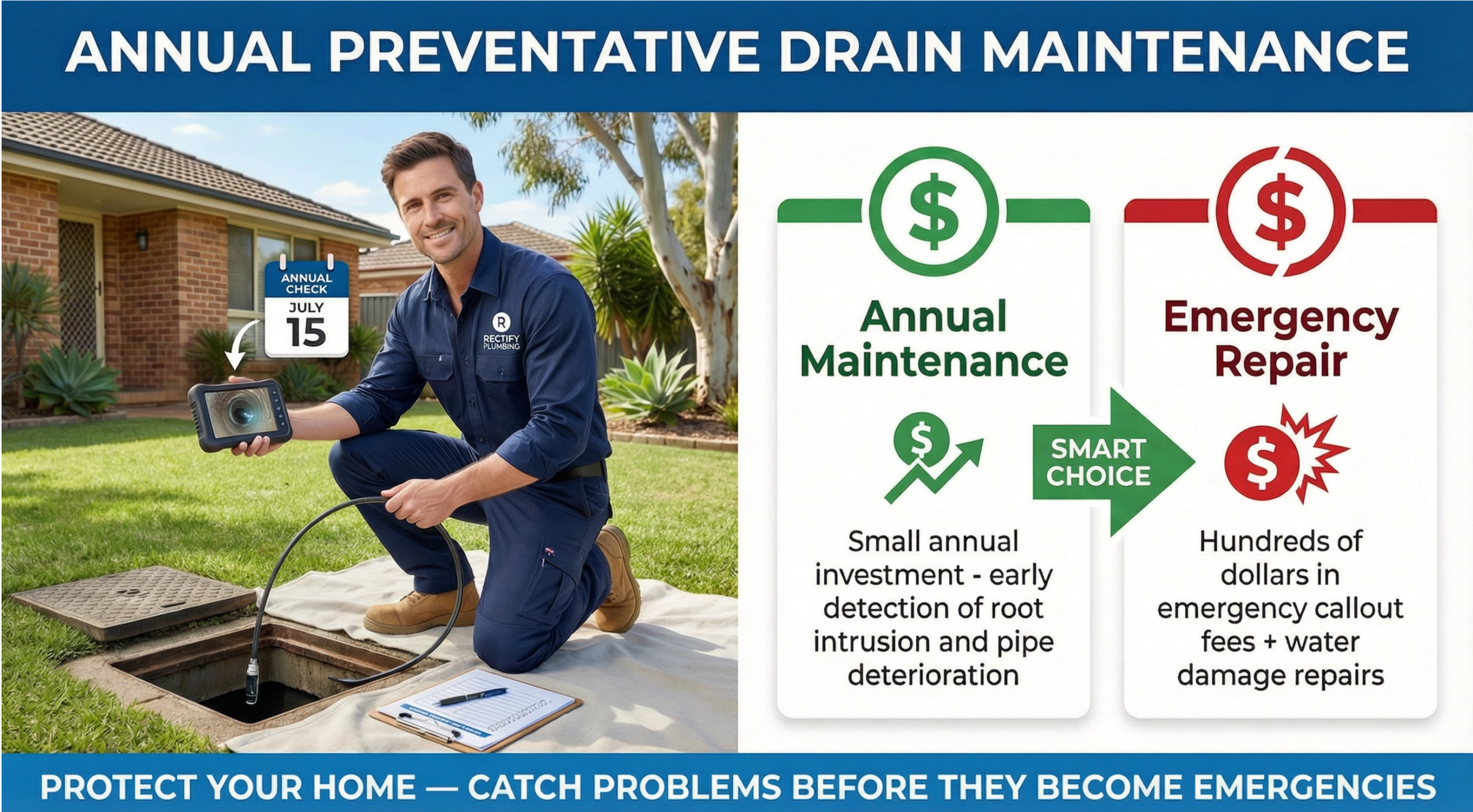
If your home is older, or you have experienced repeat blockages, an annual preventative maintenance inspection is a smart investment. A routine camera check can identify early signs of root intrusion or pipe deterioration long before they become an emergency — and a much smaller repair bill as a result.
Rectify Plumbing offers preventative maintenance plans across the Central Coast. A small annual investment that can save hundreds of dollars in emergency callout fees and water damage repairs.
Get Your Central Coast Drains Sorted — Call Rectify Plumbing
Blocked drains do not fix themselves — and a small problem left too long almost always turns into a bigger, more expensive one. Whether you are noticing slow drainage, hearing gurgling sounds, or dealing with a full backup, the sooner you get a professional assessment the better.
Rectify Plumbing provides fast, reliable blocked drain services across the entire Central Coast — including Gosford, Wyoming, Erina, West Gosford, Niagara Park, East Gosford and Springfield. We are available 24/7 for emergency blocked drain callouts and arrive equipped to clear, inspect and repair on the same visit wherever possible.
Our team is fully licensed, experienced with older Central Coast pipe systems, and backed by a 100% satisfaction guarantee. Explore our full range of plumbing services or get in touch today to book your inspection.
We also provide gas plumbing on the Central Coast and hot water system repair and installation across Gosford, Wyoming, Erina and surrounding suburbs. Call our Central Coast line on or request a quote online. Request a Quote or Make an Enquiry -> rectifyplumbing.com.au [service_faqs]
Burst Pipes, Leaks & Emergencies: What To Do RIGHT NOW While You Wait For A Plumber (Hornsby & Hills District)
STEP 1: Turn Off The Water — Do This First
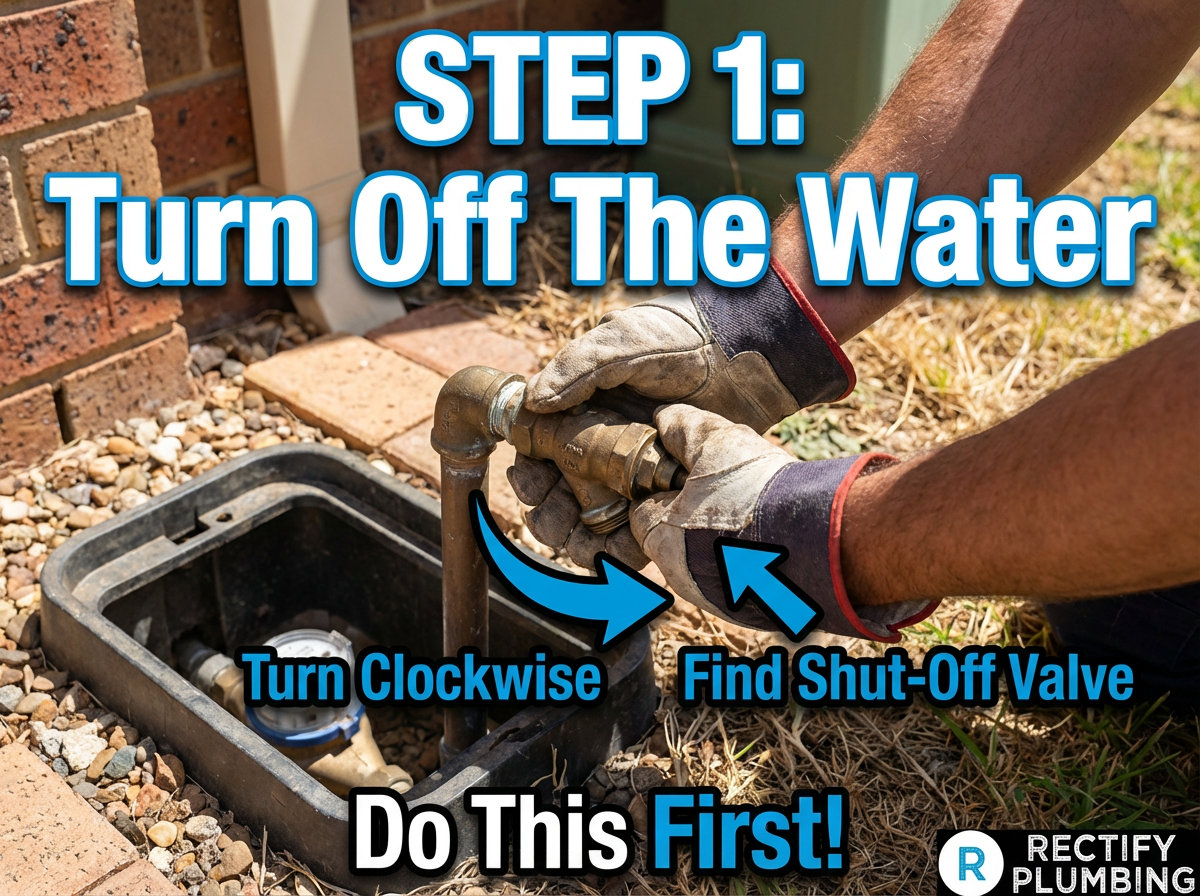 The very first thing you need to do is stop the water flow. If you do not know where your water shut-off valve is, find it now — do not wait until you have an emergency.
- Where to find your shut-off valve: In most homes in Hornsby and the Hills District, the main shut-off valve is located outside near the water meter, or just inside the wall near where the water main enters the house. In older homes — common across Castle Hill and parts of Hornsby — it may be in a different spot, such as under a sink or in a utility cupboard. Check now and note the location.
- How to turn it off: Turn the valve clockwise until it stops. If it is stiff or rusted and will not budge, do not force it. Call a plumber immediately.
- If you cannot find the main valve: Turn off the individual isolation valves under the relevant sink or behind the toilet. These are the small taps on the supply line. If none of these work, call an emergency plumber straight away.
STEP 2: Limit The Damage
 Once the water is off, act fast to prevent it spreading:
- Grab towels, buckets, or anything absorbent: Soak up as much water as you can from the floor. The faster you contain it, the less damage to your flooring, walls, and cabinetry.
- Move furniture and belongings: If water is pooling near furniture, electronics, or anything valuable, move them out of the way now.
- Open windows if safe to do so: Air circulation helps slow down moisture damage to walls and flooring.
- Do NOT try to fix the pipe while water is still flowing: This is the most common mistake. If the shut-off valve did not work or you could not find it, do not attempt any repairs. Call a plumber.
STEP 3: Temporary Fixes That Buy You Time
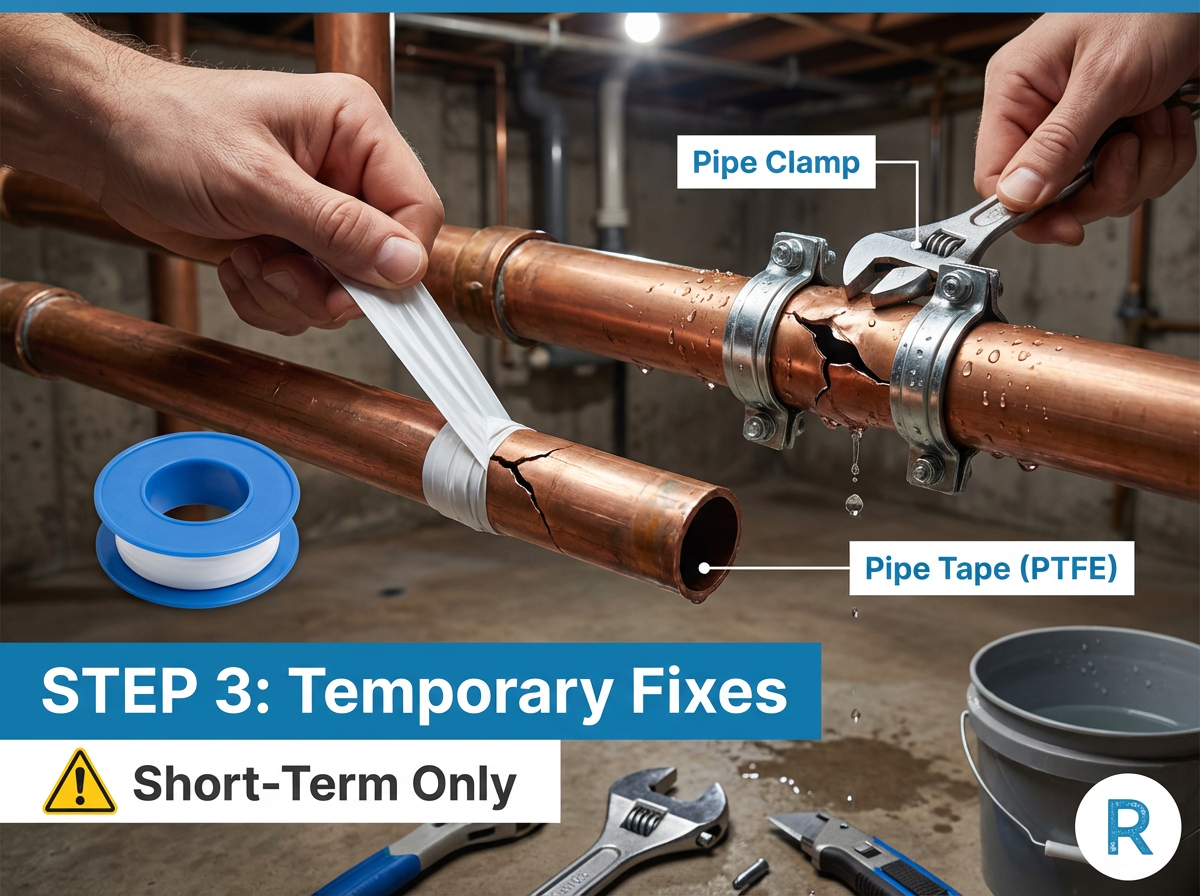 If the burst is minor and the water has been turned off, you may be able to do a temporary fix while you wait for a plumber. Only attempt this if you are comfortable and confident:
- Pipe tape (PTFE tape): Wrap tightly around the burst or crack in the pipe. This is a short-term fix only — it will not hold under full water pressure for long.
- Pipe clamp or repair sleeve: If you have one on hand, clamp it over the burst. These are available at most hardware stores and can hold for longer than tape.
Common Causes Of Burst Pipes In Hornsby & The Hills District
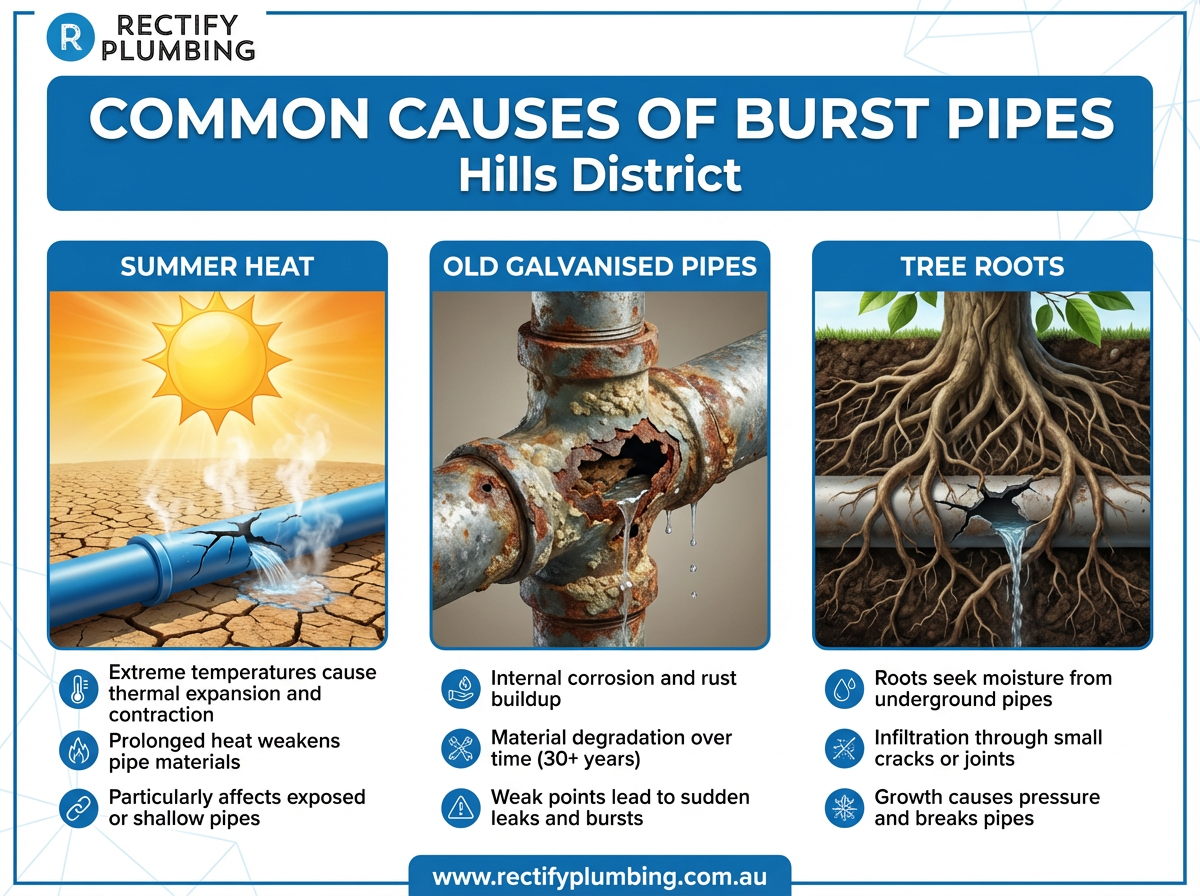 Understanding why pipes burst helps you know what to watch for:
- Summer heat: Extreme heat causes pipes — especially older ones — to expand. When they cool down again, the stress can cause cracks or splits. This is particularly common in the Hills District during hot January and February days.
- Old galvanised pipes: Many homes in Hornsby and Castle Hill were built in the 1960s–1980s with galvanised steel pipes. These corrode from the inside over decades and eventually fail. If your home is older and you have not had the pipes checked, this is your biggest risk.
- Water pressure surges: A sudden spike in water pressure — often caused by the water authority flushing mains — can burst a weakened pipe overnight.
- Tree roots: In the same way that tree roots block drains, they can also wrap around and damage underground water supply pipes, weakening them until they fail.
Leaking Taps vs Burst Pipes: How To Tell The Difference
A leaking tap is a slow drip — annoying but not urgent. A burst pipe is a fast, uncontrolled flow of water that will cause serious damage if not stopped immediately. Here is how to tell them apart:- A leak: Water drips slowly from a tap, fitting, or joint. It may be wet around the area but water is not spraying or flowing freely. A leak should be fixed soon — but it is not an emergency.
- A burst: Water is spraying, flowing, or flooding from a pipe. You can hear it. You can see water spreading quickly. This is an emergency — turn off the water and call a plumber immediately.
Why You Need A Licensed Plumber — Not A DIY Fix
 It is tempting to try and fix a burst pipe yourself, especially if the damage looks small. Do not. Here is why:
- Safety: Burst pipes under pressure can cause serious injury. A pipe that looks fixed may fail again within hours.
- Insurance: If you attempt your own repair and it fails, causing further water damage, your home insurance may not pay out. Unlicensed plumbing work can void your policy.
- The real problem may be bigger: A burst pipe is often a symptom of a wider issue — corroded pipes, pressure problems, or tree root damage. A licensed plumber will find the cause, not just patch the symptom.

Planning a Bathroom Renovation in Dural or Pennant Hills? Here Is What Plumbing Actually Costs
Step 1: Planning & Design — Get This Right First
 Before any work starts, you need a clear plan. This is where most renovation budgets go wrong — people jump into the build without thinking through the decisions first.
- Set a realistic budget: For a standard bathroom renovation in Dural or Pennant Hills, most homeowners spend between $5,000 and $30,000 depending on size, fixtures, and complexity. Plumbing typically makes up 20–30% of that total.
- Decide on the layout: If you can keep your fixtures (toilet, shower, vanity) in the same positions, plumbing costs drop significantly. Moving fixtures means rerouting pipes — which adds time, labour, and cost.
- Know your council requirements: Some renovations in Dural and Pennant Hills require a development application or building approval. Your plumber and builder can advise on this, but it is worth checking early so it does not delay the project.
Step 2: The Plumbing Work — What Actually Happens Behind the Walls
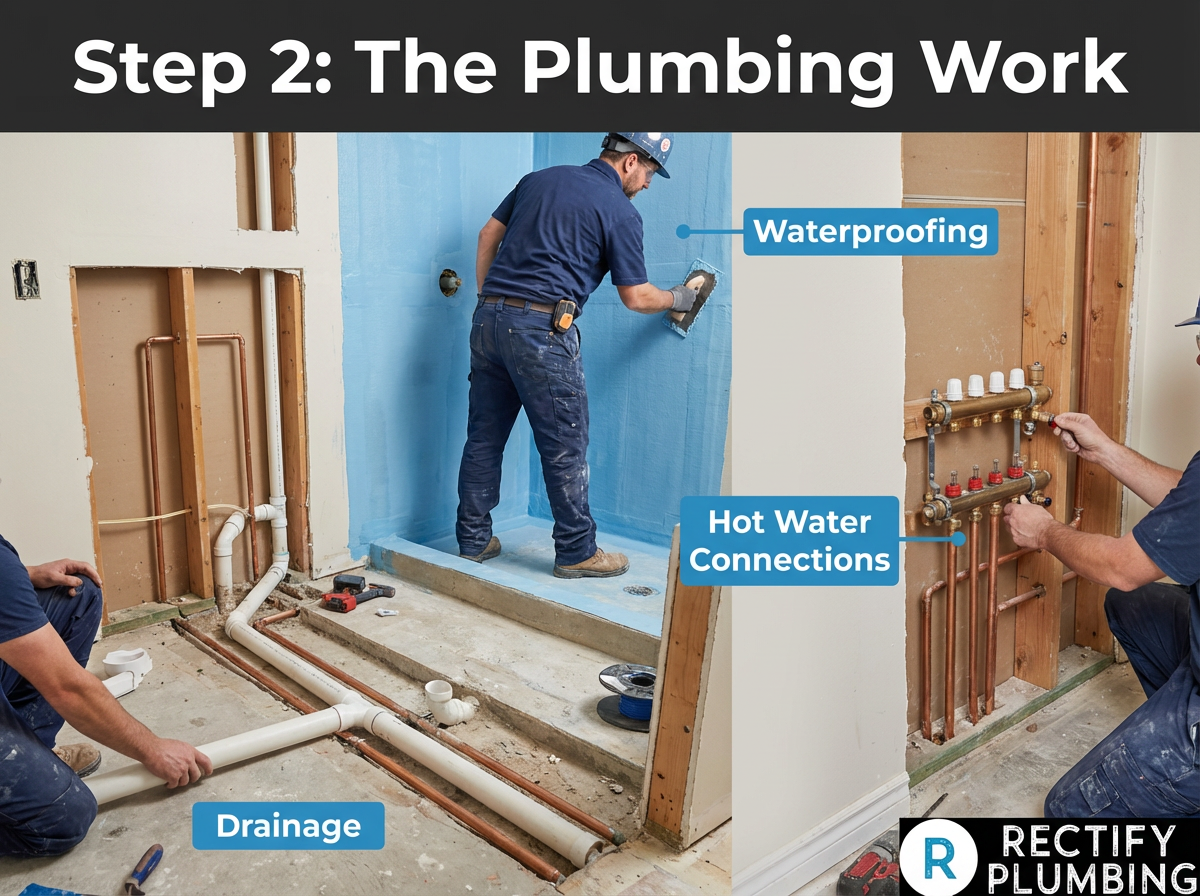 This is the part most homeowners do not fully understand — and it is often where costs come from. Here is exactly what a plumber does during a bathroom renovation:
- Waterproofing: This is critical and non-negotiable. The wet area behind tiles and around the shower and bath must be waterproofed before anything else goes on. In Sydney's climate, skipping or cutting corners on waterproofing leads to leaks, mould, and expensive damage within a few years. A good plumber will insist on this.
- Drainage: New or upgraded drainage is needed for the shower, bath, and vanity. The plumber ensures everything drains properly and meets the building code.
- Hot water connections: If you are adding or moving a shower or bath, the hot water supply needs to be connected or rerouted. This may also mean upgrading your hot water system if the current one cannot handle the demand.
- Shower and vanity plumbing: All water supply lines, waste pipes, and connections for your new fixtures are installed by a licensed plumber. This includes the shower head, taps, vanity basin, and toilet if it is being replaced.
Step 3: Materials & Fixtures — What to Choose
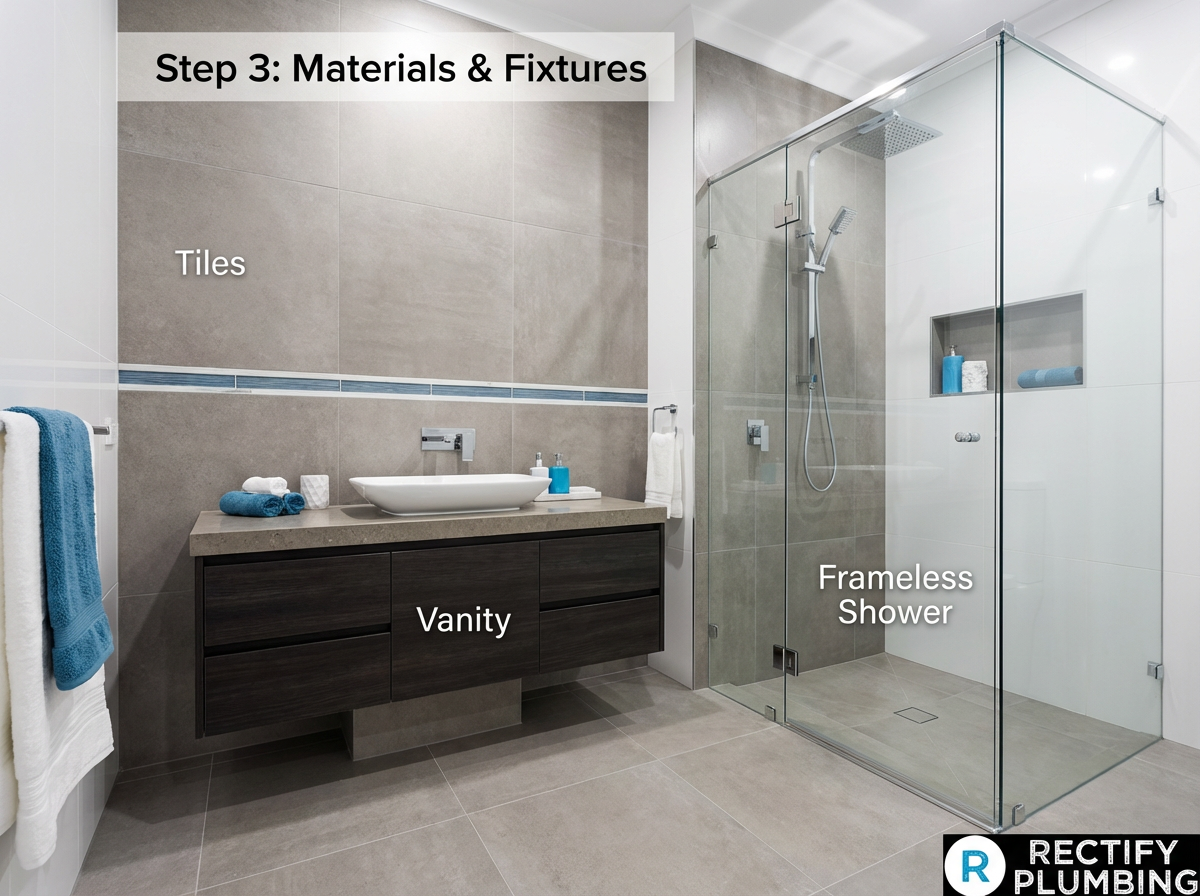 Once the plumbing is planned, it is time to choose what goes in. Here is what to think about:
- Tiles: Porcelain and ceramic are the most popular choices for Dural and Pennant Hills bathrooms. Large-format tiles (600mm x 600mm or bigger) are trending in 2026 and reduce the amount of grout — which means less maintenance.
- Vanity: Wall-hung vanities are popular in smaller bathrooms because they make the room feel bigger. Freestanding vanities work better in larger spaces. Make sure the vanity depth suits your rough-in measurement — your plumber can confirm this.
- Shower: Frameless glass screens are the standard choice now. They open the space up and are easier to clean than framed options. For the shower itself, consider a rain shower head — they are more expensive upfront but make a big difference to the experience.
How Much Does Plumbing Actually Cost in a Bathroom Renovation?
 Here are realistic price ranges for plumbing work in a standard bathroom renovation in Dural or Pennant Hills:
- Basic plumbing (keeping fixtures in place, new connections only): $3,000–$8,000
- Mid-range (moving one or two fixtures, full replumb of wet area): $8,000–$15,000
- Full replumb with new shower, vanity, and bath — complex layout: $15,000–$25,000+
Common Mistakes That Blow Out Your Budget
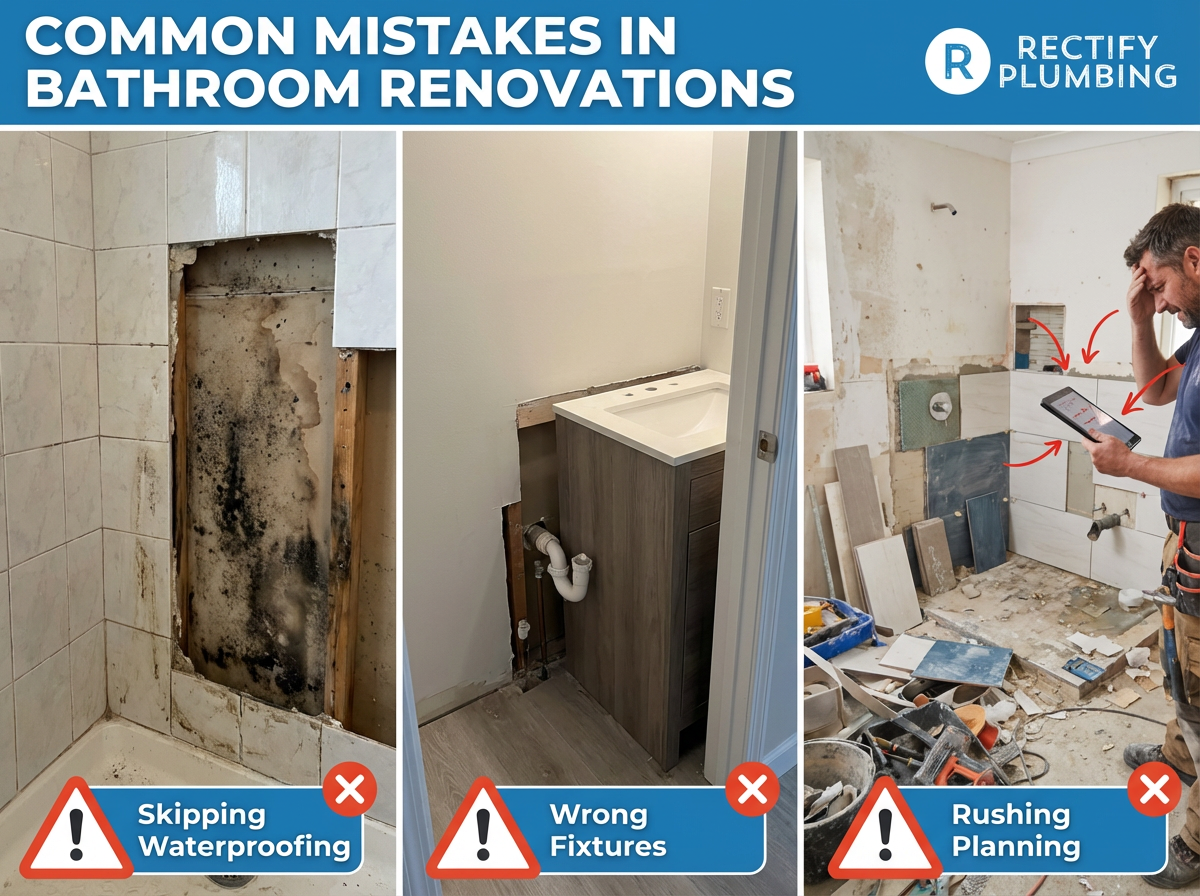 These are the errors that come up again and again in bathroom renovations across the Hills District:
- Skipping waterproofing or using cheap materials: This is the number one mistake. It looks fine for a year or two, then the leaks start. Fixing waterproofing damage after tiles are laid costs far more than doing it properly the first time.
- Choosing fixtures before consulting the plumber: If the vanity you love does not match your rough-in measurement, or the shower you want requires a different water pressure setup, you end up changing plans mid-build — which costs money.
- Not budgeting for the unexpected: Older homes in Dural and Pennant Hills sometimes have surprises behind the walls — corroded pipes, incorrect sizing, or non-standard connections. Set aside 10–15% of your budget as a contingency.
- Rushing the planning: A bathroom renovation done properly takes 2–4 weeks from start to finish. If you rush the design decisions, you end up making changes during the build — and changes during the build are expensive.
How To Choose The Right Plumber For Your Renovation
Not all plumbers specialise in renovation work. Here is what to look for when choosing one for your Dural or Pennant Hills bathroom:- Licensed and insured: This is a must. Any plumber working on your renovation must hold a current licence and public liability insurance.
- Experience with bathroom renovations specifically: General plumbing and renovation plumbing are different skills. Ask for examples of previous bathroom renovation jobs they have completed.
- Transparent pricing: A good renovation plumber will give you a detailed quote before work starts — not a vague estimate. If they will not put it in writing, walk away.
- Willing to work with your builder or designer: Bathroom renovations involve tilers, electricians, and builders as well as plumbers. Your plumber needs to coordinate with the rest of the team.

Hot Water Repairs in Epping & Ryde: How To Tell If Your System Needs Fixing
The 3 Most Common Hot Water Problems in Epping & Ryde
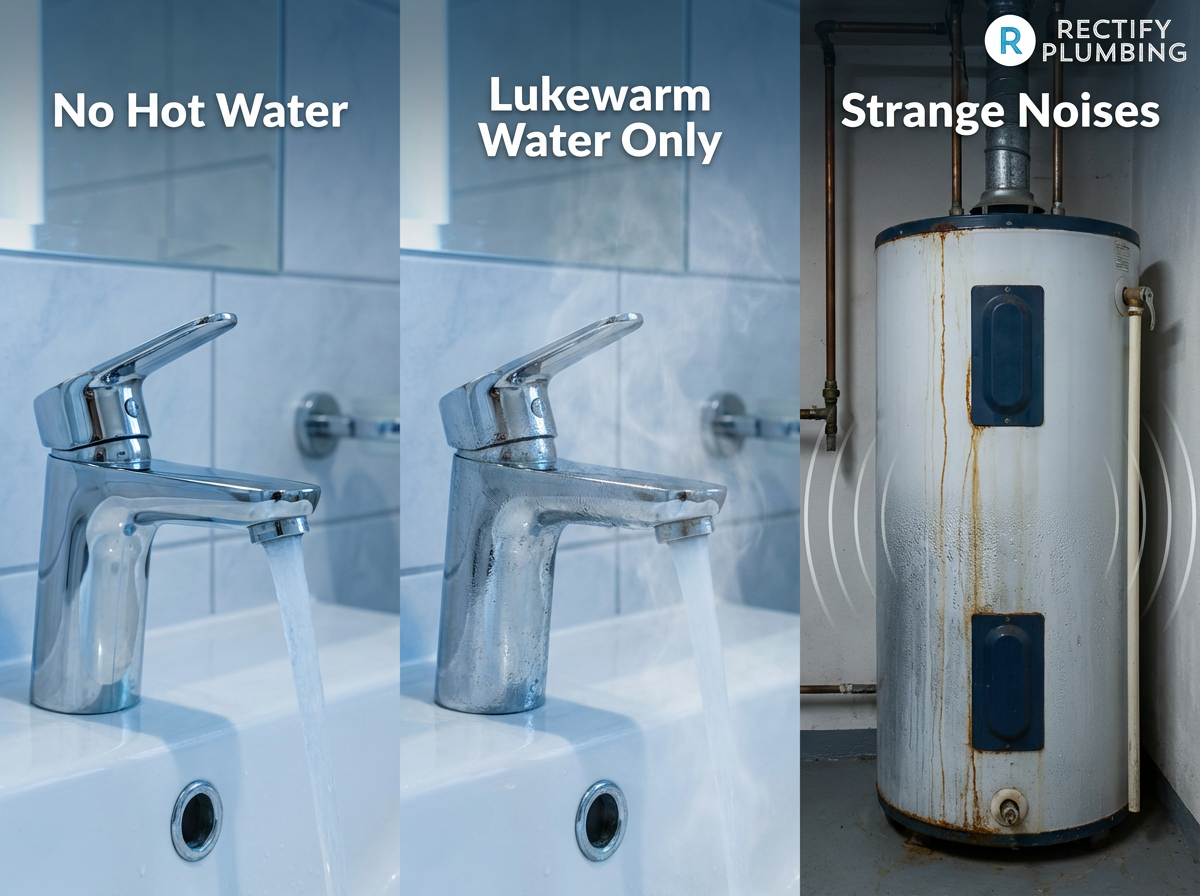 Before you call anyone, it helps to understand what is most likely going wrong:
- No hot water at all: This usually means the system has failed completely. For gas systems — which are the most common in Epping and Ryde — the pilot light may have gone out, or the gas supply could be interrupted. For electric systems, the element or thermostat has likely failed.
- Lukewarm water only: If you are getting some warm water but not enough, the thermostat is probably set too low or has malfunctioned. In electric systems, one of the heating elements may have failed while the other still works partially.
- Strange noises from the unit: Rumbling, popping, or banging sounds coming from your hot water system usually mean sediment has built up at the bottom of the tank. Over time this sediment hardens and causes the tank to overheat in spots, producing the noise. Left unattended, it can lead to a full system failure.
Gas vs Electric: What Do Most Epping & Ryde Homes Have?
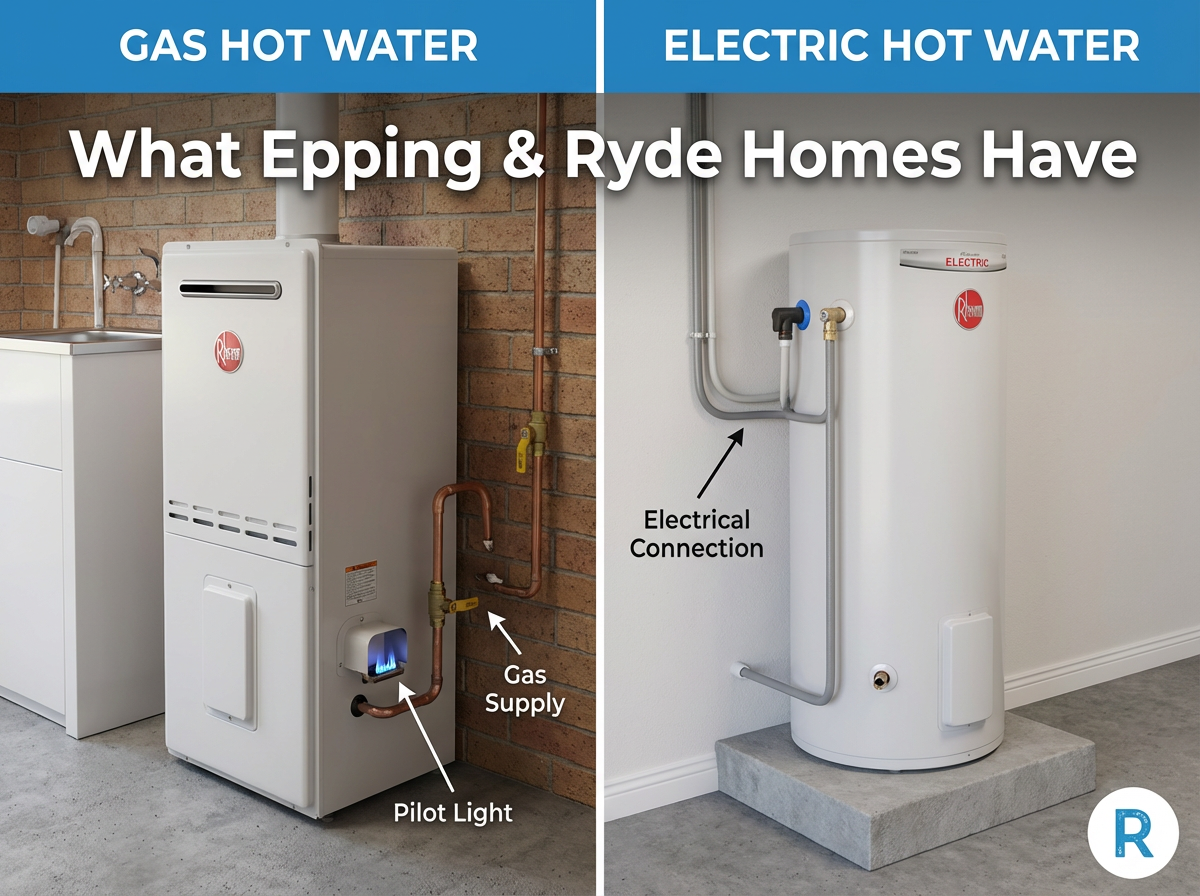 Most homes in Epping and Ryde run gas hot water systems. Gas units heat water faster, run more cheaply day to day, and are the standard choice for homes in these suburbs. However, some older properties — particularly in parts of Ryde — have electric systems, especially if they were converted at some point or if gas was not available on the street.
Knowing which type you have matters because the diagnosis and repair process is different. A gas system issue might be as simple as relighting the pilot light. An electric system failure usually means replacing an element or thermostat — but these are quick fixes for a licensed plumber.
Most homes in Epping and Ryde run gas hot water systems. Gas units heat water faster, run more cheaply day to day, and are the standard choice for homes in these suburbs. However, some older properties — particularly in parts of Ryde — have electric systems, especially if they were converted at some point or if gas was not available on the street.
Knowing which type you have matters because the diagnosis and repair process is different. A gas system issue might be as simple as relighting the pilot light. An electric system failure usually means replacing an element or thermostat — but these are quick fixes for a licensed plumber.
Signs Your Hot Water System Needs Repair RIGHT NOW
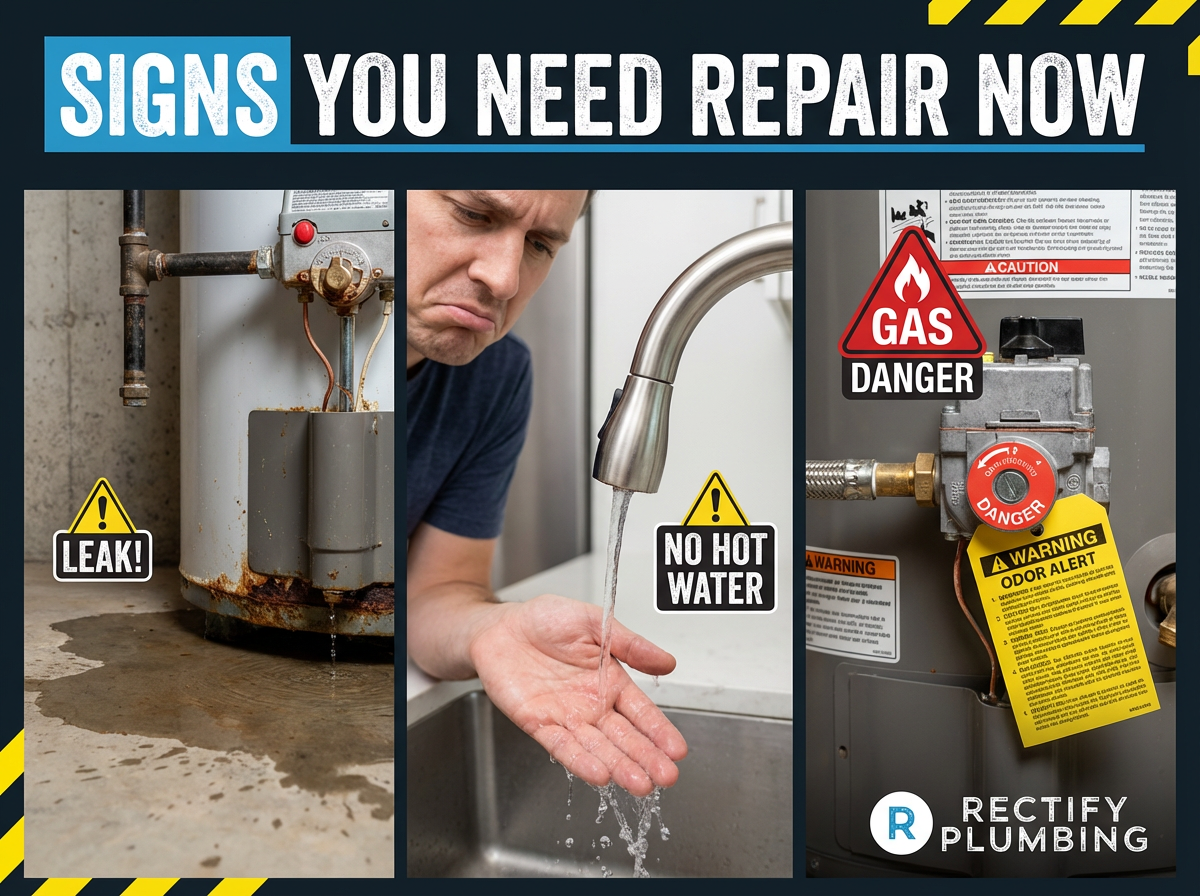 Do not wait on these. A failing hot water system will not fix itself:
- Completely cold water: The system has stopped working. Call a plumber today — do not wait.
- Water pooling around the base of the unit: This means the tank is leaking. If left, it can cause water damage to the floor or surrounding area.
- Constant running or cycling: If the system seems to be working overtime and still not producing enough hot water, something is wrong internally.
- Gas smell near the unit: If you can smell gas around your hot water system, turn it off immediately and call a gas plumber. Do not attempt to fix it yourself.
DIY Checks You Can Safely Do Yourself
 There are a few things you can check before calling out a plumber — but be careful and know your limits:
- Gas systems — check the pilot light: If the pilot light is out, you can relight it by following the instructions printed on the front of your unit. If it will not stay lit, there is a deeper problem.
- Check the thermostat setting: The thermostat on most units is on the front panel. If it is set below 60°C, turn it up. The recommended setting is 60°C for most households.
- Listen for unusual sounds: If you hear loud banging or rumbling, the unit likely needs a service to flush out sediment.
Repair vs Replace: How To Decide
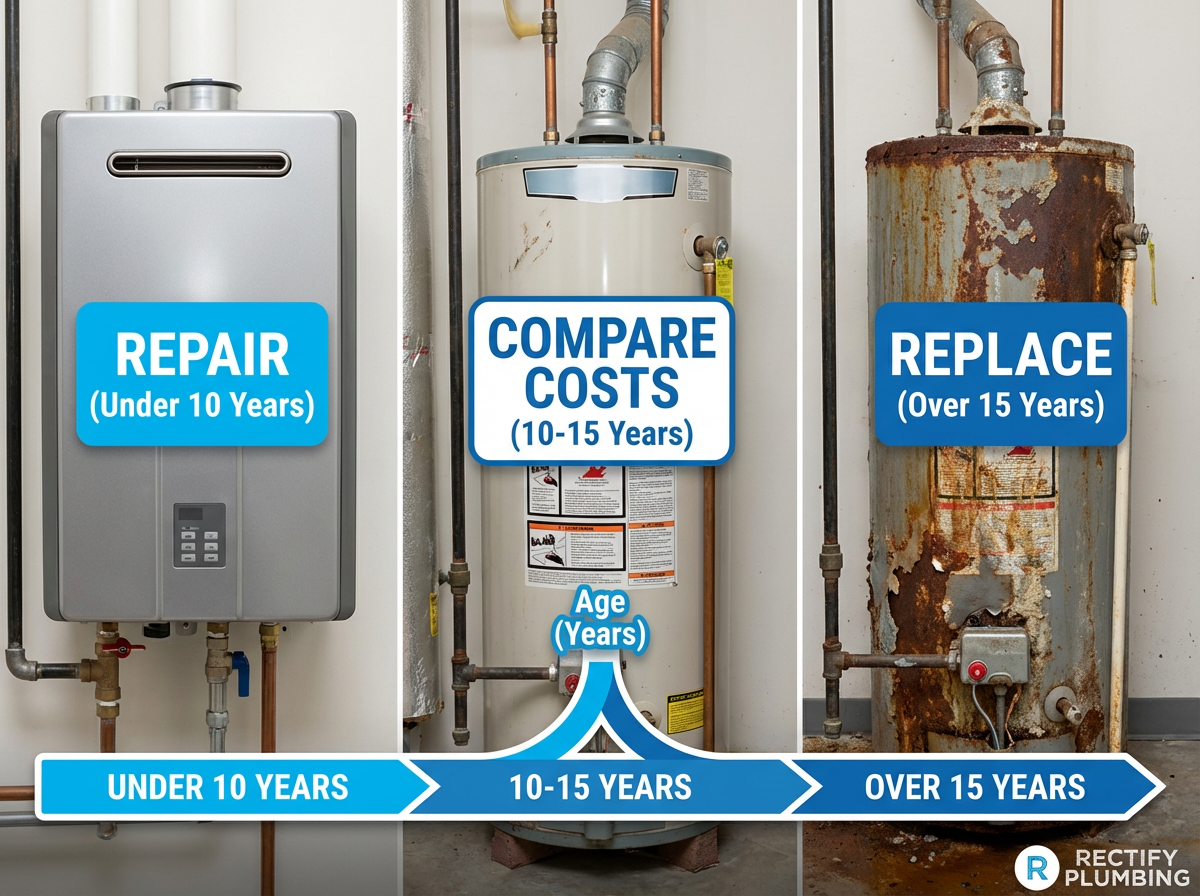 This is the question most homeowners ask when their hot water fails. Here is a simple guide:
- If the system is under 10 years old: A repair is almost always the right call. Parts are available, the unit still has life in it, and repair costs are a fraction of replacement.
- If the system is 10–15 years old and has had multiple repairs: It is worth comparing the cost of another repair against a new installation. At this point, a new system often works out cheaper in the long run.
- If the system is over 15 years old: Most gas hot water systems have a lifespan of 10–15 years. If yours is older than that and failing, replacement is the better investment. You will also benefit from a newer, more energy-efficient unit.
Why Same-Day Hot Water Repair Matters
Nobody wants to go without hot water. No showers, no washing up, no laundry — it affects everything in the household. That is why hot water repair in Epping and Ryde needs to happen fast. Rectify Plumbing offers same-day service for hot water repairs across both suburbs. Whether it is a gas system relight, a thermostat replacement, or a full unit swap, we carry the parts and can have your hot water back on the same day in most cases.

How Often Should You Clean Your Drains? A Homeowner’s Guide for Berowra & the North Shore
Introduction
Every homeowner asks this question eventually, and the answer depends on where you live. In Berowra and across the North Shore, the unique environment means your drains probably need more attention than you think. Blocked drains in Berowra are one of the most common plumbing issues in the area — and many of them are entirely preventable with a little regular maintenance. This guide will show you exactly how often to clean your drains, why Berowra homes need extra care, and how to keep your pipes running smoothly all year round.How Often Should You Clean Your Drains?
The right frequency depends on the type of drain and how much use it gets:- Kitchen drains: Monthly. These drains handle grease, food particles, and soap scum every single day, making them prone to slow buildup.
- Bathroom drains: Monthly. Hair, soap residue, and toothpaste accumulate quickly and can cause slow drainage within weeks.
- Outdoor and stormwater drains: After every heavy rain. Leaves, dirt, and debris wash into these drains during storms and can block them fast.
- Main sewer line: A professional inspection every 12 months is recommended, especially for older homes. This is where most serious blocked drains in Berowra actually start.
Why Blocked Drains in Berowra Need Extra Attention
Berowra is not like a new development. The suburb has its own specific challenges that make drain maintenance more important than in most other areas of Sydney. Homes in Berowra, Berowra Heights, and Berowra Waters all share similar issues due to the local environment and the age of the infrastructure.- Older heritage pipe infrastructure: Many parts of Berowra feature homes built decades ago, often still running the original clay pipework. These pipes crack, shift, and allow root intrusion far more easily than modern PVC systems.
- Eucalyptus tree roots: Eucalyptus trees are everywhere in Berowra. Their roots aggressively seek out water sources and can penetrate even the smallest crack in a pipe. This is the single most common cause of blocked drains in Berowra Heights and Berowra Waters.
- Humidity near waterways: Homes near Berowra Waters and the creek experience higher moisture levels. This humidity encourages mould and mildew growth inside pipes, which adds to blockages over time.
The 4-Step Seasonal Drain Maintenance Plan for Berowra
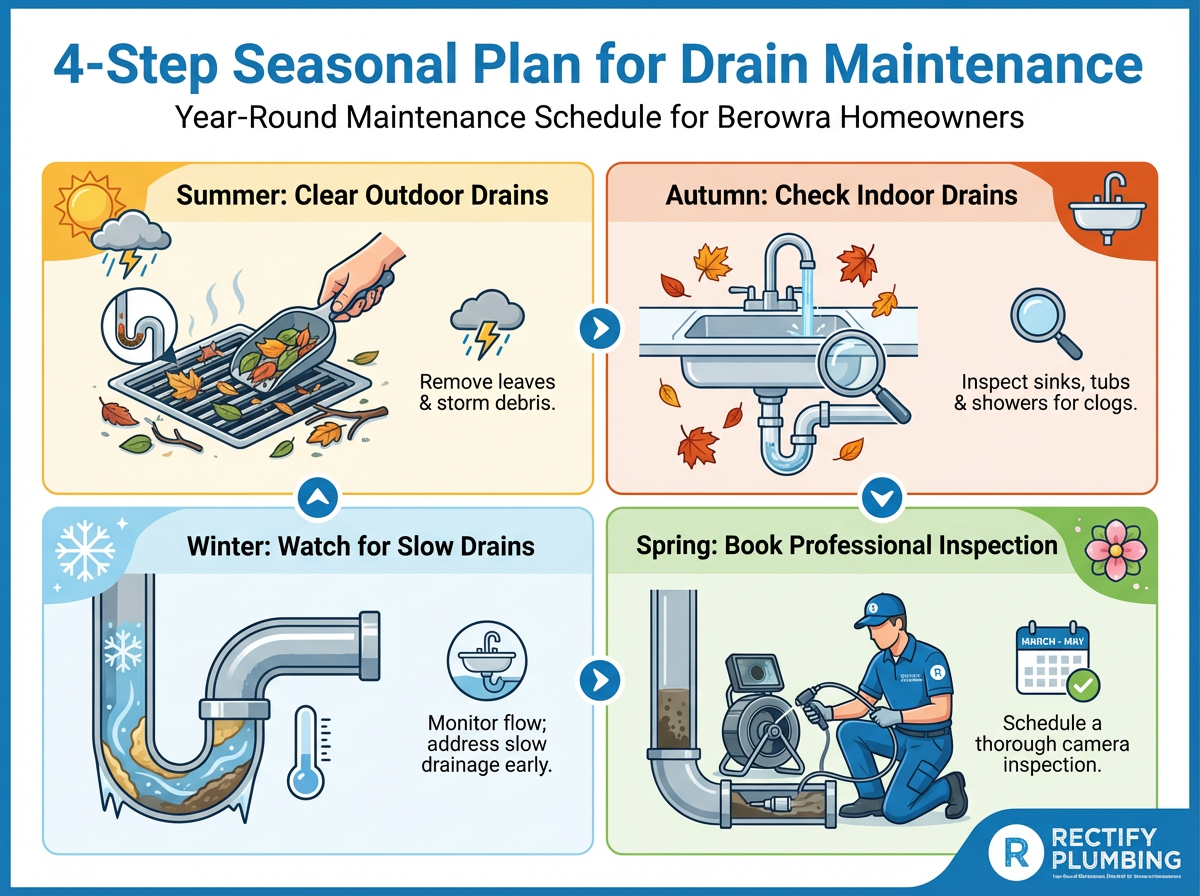 Adapting your drain care to Sydney's seasons makes a real difference — especially in Berowra where storms and tree roots are constant factors:
- Summer: Clear outdoor drains and gutters after every storm. Heavy rainfall washes debris into stormwater systems across Berowra Heights and Berowra Waters, and blockages happen fast.
- Autumn: Check indoor drains before the cooler weather sets in. Clear out any accumulated hair or debris from bathroom and kitchen sinks. This is also a good time to flush drains with hot water weekly.
- Winter: Watch for slow-draining sinks, especially in bathrooms. Colder temperatures make grease and soap scum thicker and more likely to clog.
- Spring: This is your best window to book a professional drain inspection before storm season starts again. Getting ahead of the problem in Berowra means fewer emergencies during summer.
Signs Your Drains Need Professional Cleaning NOW
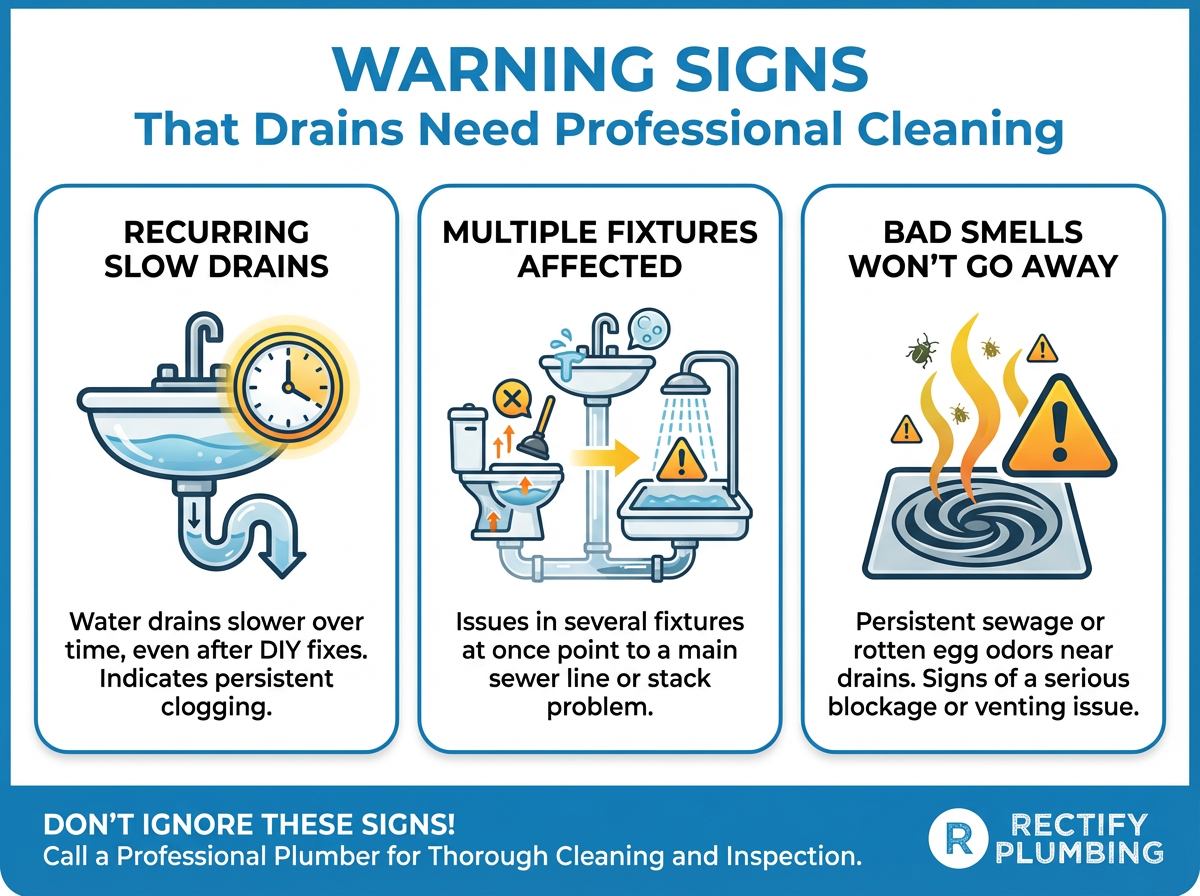 Regular maintenance helps, but some warning signs mean you need a professional right away:
- Recurring slow drains: If a drain keeps slowing down no matter what you try, there is likely a deeper blockage that DIY methods cannot reach.
- Multiple fixtures affected at once: If more than one sink, toilet, or shower is draining slowly or backing up, it points to a blockage in the main sewer line — not just one individual drain.
- Bad smells that will not go away: Persistent foul odours suggest a significant buildup of organic matter, or possibly damage to the sewer line itself.
DIY Drain Maintenance That Actually Works
For routine care and minor issues, these methods are safe and effective:- Enzyme cleaners: These use natural enzymes to break down organic matter without harsh chemicals. They are safer for older pipes — important for many Berowra homes — and better for the environment.
- Regular flushing with hot water: After using your kitchen sink, run hot water down the drain for a minute. This helps melt grease and wash away food particles before they build up.
- Keeping drain covers clean: Simple covers in showers and sinks catch hair and food debris before it enters your pipes. Check and clean them weekly.
When To Book A Professional Drain Clean
When DIY is not enough, or when you suspect a serious blockage in your Berowra home, it is time to call in the experts. Rectify Plumbing uses jet blasting to thoroughly clear even stubborn blockages and camera inspection to diagnose exactly what is happening inside your pipes — without any digging. This means a complete solution, not just a temporary fix.

5 Signs You Have a Blocked Drain — And What To Do About It (Epping, Hornsby & Surrounds)
Introduction
If you live in Epping or Hornsby, you already know that Sydney's summer storms hit these suburbs hard — and so do blocked drains. The combination of heavy rainfall, mature eucalyptus trees, and older clay pipe infrastructure in both Epping and Hornsby creates the perfect conditions for drains to block up fast. The good news is that knowing the early warning signs can be the difference between a quick fix and a costly emergency. This guide walks you through the five key signs of a blocked drain and exactly what to do about each one.Sign #1: Water Drains Slower Than Normal
This is often the first and most subtle sign of a developing blockage. You might notice your kitchen sink taking a few extra seconds to empty, or water pooling around your feet in the shower. This happens because a partial obstruction — like a buildup of grease, hair, or food scraps — is narrowing the pipe and restricting water flow. If you ignore it, the blockage traps more debris over time and eventually leads to a complete clog.Sign #2: Gurgling Sounds From Your Pipes
When you hear gurgling or bubbling sounds coming from your drains, it means air is trapped in your pipes and is being pushed out as water forces its way past a blockage. These sounds are the plumbing equivalent of a warning signal — they tell you the blockage is significant enough to disrupt the normal flow of water and air through the system.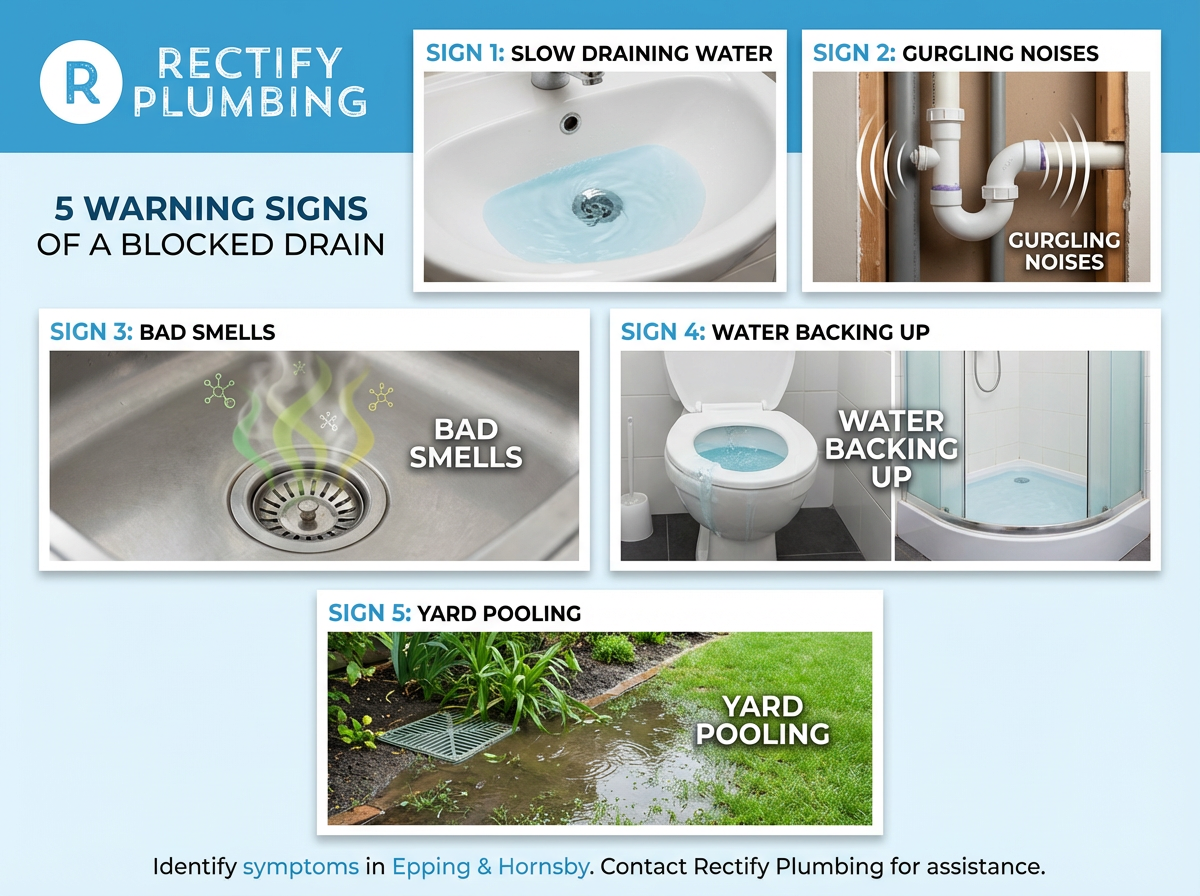
Sign #3: Bad Smells Coming From Your Drains
Unpleasant odours wafting from your drains are a clear sign that food particles, grease, and other waste are trapped and decaying inside your pipes. This buildup creates a breeding ground for bacteria, which produce foul-smelling gases. The smell is not just unpleasant — it is a direct indicator of a hygiene problem festering in your plumbing.Sign #4: Water Backs Up In Multiple Fixtures
If flushing the toilet causes water to rise in the shower, or running the washing machine leads to a gurgling sink, you most likely have a blockage in your main sewer line. This is a serious issue because it means the entire house's wastewater is being obstructed. All drains in the house lead to the main sewer line, so a blockage there affects multiple fixtures at the same time.Sign #5: Water Pooling Outside Your Home
During heavy rain, if you notice water pooling around grates or downpipes in your yard, it suggests a blockage in your stormwater drains. When these drains are clogged with leaves, dirt, and storm debris, rainwater has nowhere to go — leading to localised flooding that can damage your home's foundation and landscaping. This is especially common in Epping and Hornsby after heavy summer storms.What Causes Blocked Drains in Epping & Hornsby?
Drain cleaning in Epping and Hornsby is something most homeowners do not think about until a problem shows up. But the leafy, established suburbs of Epping and Hornsby have specific challenges that make blocked drains more likely than in newer developments.- Tree roots: This is the number one cause of blocked drains in both Epping and Hornsby. Eucalyptus and other mature trees are naturally drawn to the moisture in underground pipes. Their roots can infiltrate even the smallest cracks, growing inside the pipe and eventually causing a full blockage.
- Old clay pipes: Many homes in Epping and Hornsby were built decades ago and still have original clay pipes. These are far more susceptible to cracking and root intrusion than modern PVC pipes.
- Storm debris: Sydney's summer storms wash leaves, soil, and organic debris into stormwater drains. In suburbs with heavy tree cover like Epping and Hornsby, this can overwhelm the system very quickly.
3 DIY Fixes That Might Help
For minor blockages, these methods can sometimes clear the problem on your own:- Plunger: A simple but effective tool for creating suction to dislodge small clogs in sinks and showers.
- Baking soda and vinegar: Pour a cup of baking soda down the drain, followed by a cup of white vinegar. Let it fizz for 30 minutes, then flush with hot water. This is a gentler alternative to chemical drain cleaners.
- Boiling water: For grease blockages in kitchen sinks, carefully pour a kettle of boiling water down the drain. Repeat two or three times if needed.
When To Call A Professional Plumber
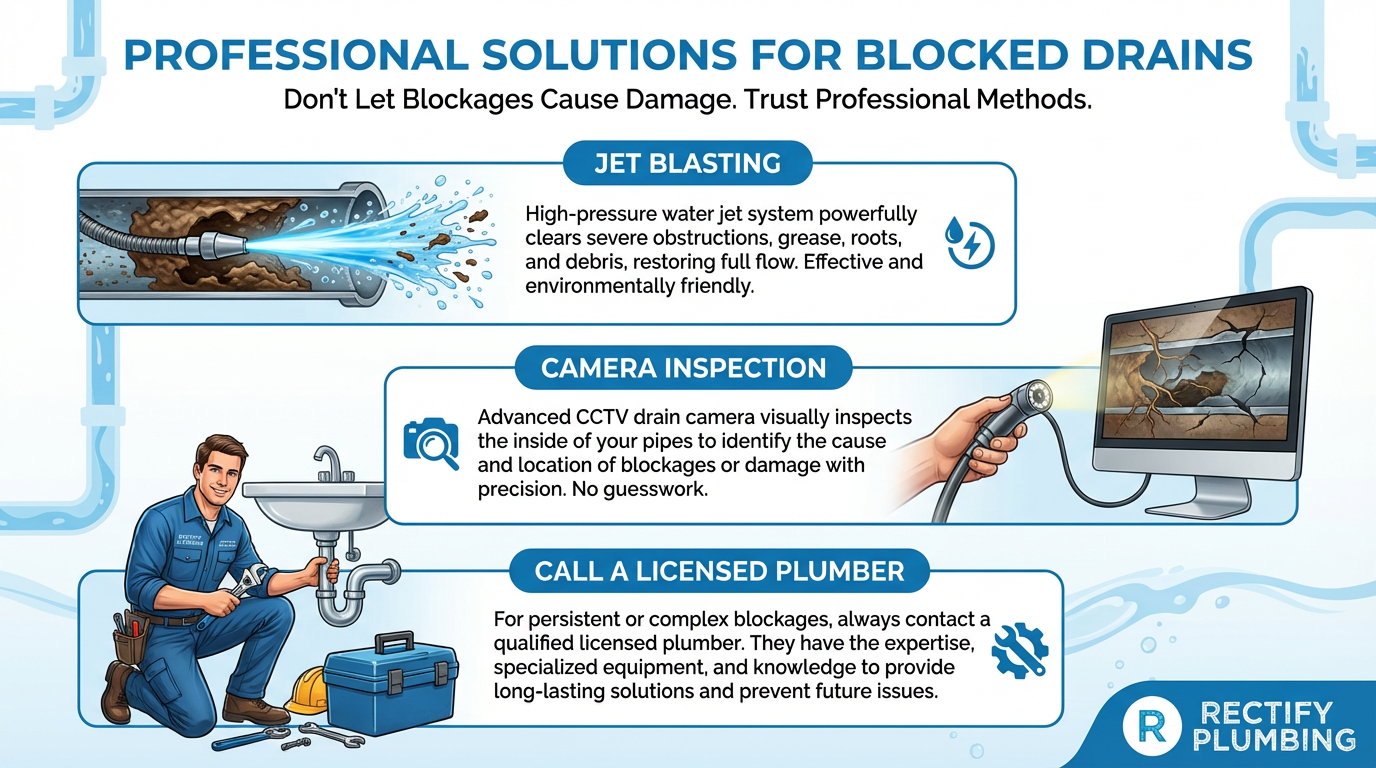 If DIY fixes are not working, or if you are seeing more than one sign of a blockage, call a licensed plumber. For serious blocked drains in Epping or Hornsby, a professional will use jet blasting — high-pressure water to completely clear the obstruction — and a camera inspection to look inside the pipe and identify the exact cause. This gives you a long-term solution, not just a temporary fix.

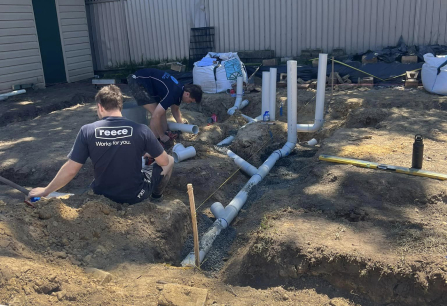
A Guide To Common Plumbing Problems And Solutions
What Causes Plumbing Problems?
Several factors contribute to common plumbing problems; understanding them is essential for preventing future plumbing issues. One of the main reasons for plumbing problems is when debris, grease, and foreign objects build up in the pipes. This can cause blockages over time, resulting in slow drains and possible backups. It's also important to note that outdated or poorly-installed plumbing systems are more likely to have leaks and other issues, so regular maintenance is crucial.Common Plumbing Problems and Solutions
Clogged Drains:
One of the most prevalent plumbing issues homeowners face is a clogged drain. A clogged drain in the kitchen sink, bathroom shower, or toilet can mess up your daily routine. But don't worry, there are a couple of things you can do to fix it. You may use a plunger or a drain snake to eliminate this blockage. And if you want to avoid future clogs, be mindful of what goes down the drain and use some drain guards to catch any debris.Leaky Faucets:
A faucet that drips doesn't just waste water; it can also cause your water bills to go up. Usually, you can solve a leaky faucet by replacing the worn-out washer or O-ring. If the problem continues, it might be a good idea to call a professional plumber who can check and fix any underlying issues.Running Toilets:
Having a toilet that keeps running is not just irritating. It can also lead to considerable water wastage. The main culprit behind this problem is usually a defective flapper, but don't worry, it's a simple fix. You can also try checking and adjusting the water level in the tank to solve this issue.Burst Pipes:
Burst pipes are a major plumbing problem that must be addressed immediately. When temperatures drop, water pressure builds up, or pipes get old, they can easily burst. If you encounter this issue, shut off the main water supply and contact a skilled plumber who can fix this burst pipe.General Tips On How To Solve Common Plumbing Problems
While some plumbing issues can be addressed through DIY solutions, others may require the expertise of a professional plumber. Here are some tips on how to solve common plumbing problems:DIY Repairs:
Ensure you have all the necessary plumbing tools like plungers, pipe wrenches, and drills to deal with small problems such as clogged drains and leaky faucets. You can find step-by-step instructions for common plumbing repairs in online tutorials and guides.Regular Maintenance:
To steer clear of plumbing problems, it's important to take preventive measures. Schedule regular maintenance checks to examine pipes, faucets, and appliances for any signs of damage or possible issues.Professional Assistance:
If you're dealing with complicated plumbing issues such as burst pipes, major leaks, or problems with the main water line, it's best to contact a professional plumber like Rectify Plumbing for assistance. Skilled plumbers have the expertise and equipment to quickly identify and resolve intricate plumbing problems.The Bottom Line
Taking care of typical plumbing issues is crucial in a home. By understanding the reasons and remedies for problems like blocked drains, dripping taps, and burst pipes, you can be proactive in preserving a smoothly-running plumbing system. Whether you decide to handle small repairs on your own or hire experts for more complicated issues, staying knowledgeable is essential for keeping your home's plumbing infrastructure in good shape for the long run.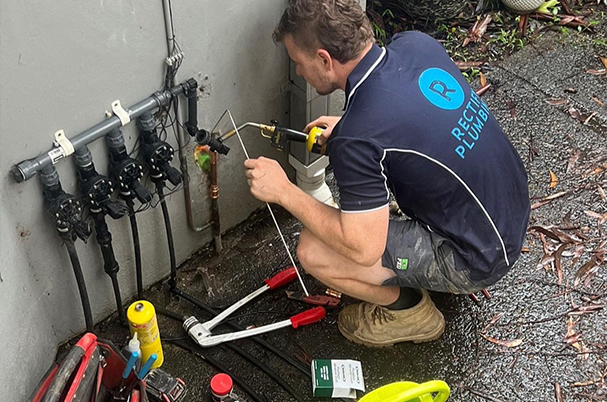
Comprehensive Plumbing Inspection And Maintenance Plan
How Having a Comprehensive Plumbing Inspection & Maintenance Plan Can Help You In The Long Run
Your household's plumbing system is often underappreciated, but it plays a crucial role in providing clean water and managing wastewater. Sadly, many homeowners neglect the importance of maintaining their plumbing until a big problem occurs. That's why it's essential to have a thorough plumbing inspection and maintenance plan to keep your system in excellent shape. In this blog post, we'll delve into why regular plumbing inspections and maintenance are essential, their advantages, and the key elements of a plumbing maintenance plan.The Importance of Plumbing Inspections
Getting your plumbing inspected regularly is like taking preventive measures for your home. Just like you go to the doctor for routine checkups to catch any health problems before they worsen, a plumbing inspection lets experts identify and fix them early on. This proactive approach helps you avoid expensive repairs and disruptions to your everyday life. A plumbing inspection involves thoroughly examining your entire plumbing system, including pipes, fixtures, and appliances. It assists in identifying leaks, corrosion, blockages, and other problems hiding beneath the surface. Neglecting these issues can result in more extensive damage over time, like water damage to your property and mould and mildew development.The Benefits of Regular Plumbing Maintenance
Preventing Emergencies:
A comprehensive plumbing maintenance plan offers many advantages, one of which is the ability to prevent emergencies. By detecting and resolving potential problems during regular inspections, you can steer clear of sudden and unexpected plumbing disasters.Extending the Lifespan of Your Plumbing System:
Your plumbing, like any other system, gets older as time goes on. But don't worry! By regularly maintaining it, you can greatly increase the lifespan of your plumbing components. This means you won't have to replace pipes, fixtures, or appliances before their time.Saving Money in the Long Run:
Investing in a plumbing maintenance plan might seem like an additional expense, but it can actually save you money in the long run. By addressing minor issues before they become big Now that we grasp the significance of regular plumbing inspection and upkeep, let's explore the key elements of a thorough plumbing maintenance plan:Scheduled Inspections:
Create a consistent routine for getting professional plumbing inspections. Whether it's once a year or twice a year, having a regular plan in place guarantees that any possible problems won't be missed.Thorough Plumbing Inspection Checklist:
Work with your plumber to create a detailed plumbing inspection checklist that covers all aspects of your plumbing system. This may include checking for leaks, inspecting water pressure, examining the condition of pipes, and assessing the functionality of fixtures and appliances.Routine Cleaning and Maintenance:
Regularly clean drains, remove mineral deposits from faucets and showerheads, and inspect water heaters for sediment buildup. These routine maintenance tasks contribute to the overall health and efficiency of your plumbing system.Addressing Repairs Promptly:
If any issues are identified during an inspection, it's crucial to address them promptly. Whether it's fixing a small leak, replacing a worn-out washer, or repairing a faulty valve, addressing problems early prevents them from worsening.Conclusion
To sum up, it's important to have a thorough plumbing inspection and maintenance plan in place to keep your home's plumbing system running smoothly and efficiently. You can prevent unexpected emergencies and expensive repairs by making regular checkups a priority, dealing with problems promptly, and sticking to a solid maintenance routine. Remember that investing in preventive plumbing care now will save you lots of time, money, and stress down the road. So go ahead and book that plumbing inspection - you'll be glad you did!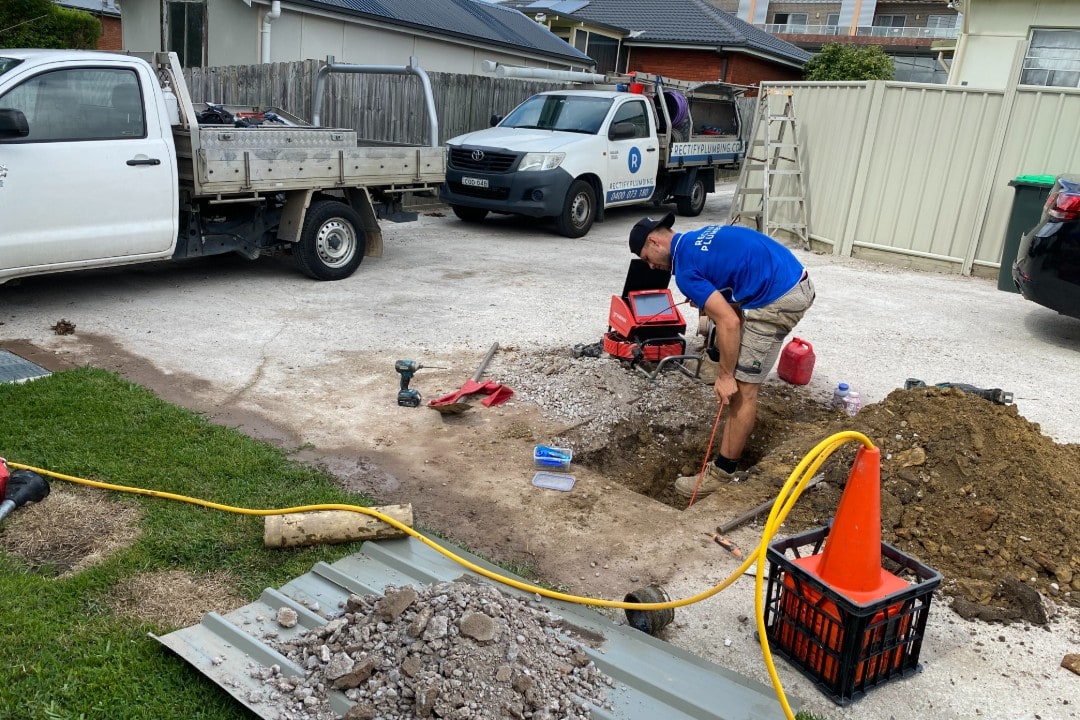
Handy Ways On How To Clear Blocked Drains
Common Causes of Drain Blockage
Understanding the common causes of drain blockage is essential for preventing future issues. Hair, soap scum, grease, food particles, and foreign objects are frequent culprits. Tree roots invading underground pipes can also lead to drainage problems. Identifying the common causes of drain blockage can help you choose the most appropriate methods for clearing blocked drains.Methods for Clearing Blocked Drains
As we all know, there are many methods for clearing blocked drains. Let's learn how to clean drain blockages properly:Plunger Power:
A plunger is a simple yet powerful tool for clearing minor drain blockages. Create a tight seal around the drain and plunge vigorously to dislodge the obstruction.Boiling Water:
Pouring boiling water down the drain can melt grease and break down soap scum. This method is effective for mild blockages.Baking Soda and Vinegar:
Combine baking soda and vinegar to create a natural, foaming reaction that can break down debris. Follow up with hot water to flush out the loosened particles.Wire Hanger or Drain Snake:
Straighten a wire hanger or use a drain snake to physically remove blockages. This is particularly useful for hair or debris that may be out of reach for plunging.Chemical Drain Cleaners (Caution):
Chemical drain cleaners can be effective, but use them with caution. Follow the product instructions carefully and wear protective gear.Enzyme-Based Cleaners:
Enzyme-based drain cleaners contain natural bacteria and enzymes that break down organic matter. These cleaners are eco-friendly and can be used as a preventive measure to maintain clear drains.Wet and Dry Vacuum:
Use a wet and dry vacuum to suck out the blockage from the drain. Ensure a tight seal and switch the vacuum to the liquid setting.Salt and Baking Soda:
Add baking soda and salt in equal amounts, then dump the mixture over the drain. Before using hot water to flush it, let it remain for a few hours or overnight.Plumbing Snake Auger:
A plumbing snake auger is a more advanced tool for serious blockages. It can navigate through pipes to reach and remove stubborn clogs.Plumbing Tips To Unblock Drains
Here's how to fix a blocked drain:Regular Maintenance:
Prevent blockages by adopting regular drain maintenance or you can take preventive maintenance service from an expert provider. Flush drains with hot water periodically to prevent buildup.Mesh Screens:
Install mesh screens over drains to catch hair and debris before they enter the pipes. Clean the screens regularly.Proper Disposal:
Dispose of grease and food remnants properly rather than washing them down the drain. Use a strainer in the kitchen sink to catch larger particles.Check External Drains:
External drains can also be prone to blockages caused by leaves, debris, and dirt. Regularly inspect and clean gutters and outdoor drains to prevent water backup.DIY Drain Cleaning Solutions:
Combine eco-friendly ingredients like lemon juice and salt to create a natural cleaning solution. This can help prevent unpleasant odours and maintain a clean drain.Avoid Harsh Chemicals:
While chemical drain cleaners can be effective, they may also damage pipes over time. Consider using them sparingly and opt for alternative methods when possible.Some Bonus Tips To Fix Clogged Drains
Looking for more plumbing tips for drain unblocking? See below to learn more ways how to fix a blocked drain:Professional Inspections through cameras:
If you experience recurrent drain issues, consider a professional camera inspection of your plumbing system. This can identify underlying problems such as pipe damage or tree root intrusion.Trenchless Pipe Repairs:
Trenchless pipe repair methods, like pipe lining or pipe bursting, can address more significant pipe issues without extensive excavation. They offer a faster and less disruptive solution.Professional Plumbing Services:
If you are looking for clogged drain solutions for persistent or severe blockages, it's advisable to seek professional plumbing services. Plumbers have specialised tools and expertise to tackle complex drainage issues.Hydro-Jetting:
Hydro-jetting involves using high-pressure water to clear out blockages and debris. It's a powerful and efficient method for clearing even the toughest drainage clogs.The Bottom Line
Clearing blocked drains is a task that can often be tackled with DIY methods, but it's crucial to approach drainage clearing with care and use the appropriate tools and techniques. Regular maintenance and preventive measures can go a long way in avoiding the inconvenience of blocked drains. By following the handy tips and methods outlined in our expert guide in clearing drain blockages, you can keep your drains flowing smoothly and maintain a healthy plumbing system in your home. Remember, proactive care is the key to a hassle-free and efficient drainage system.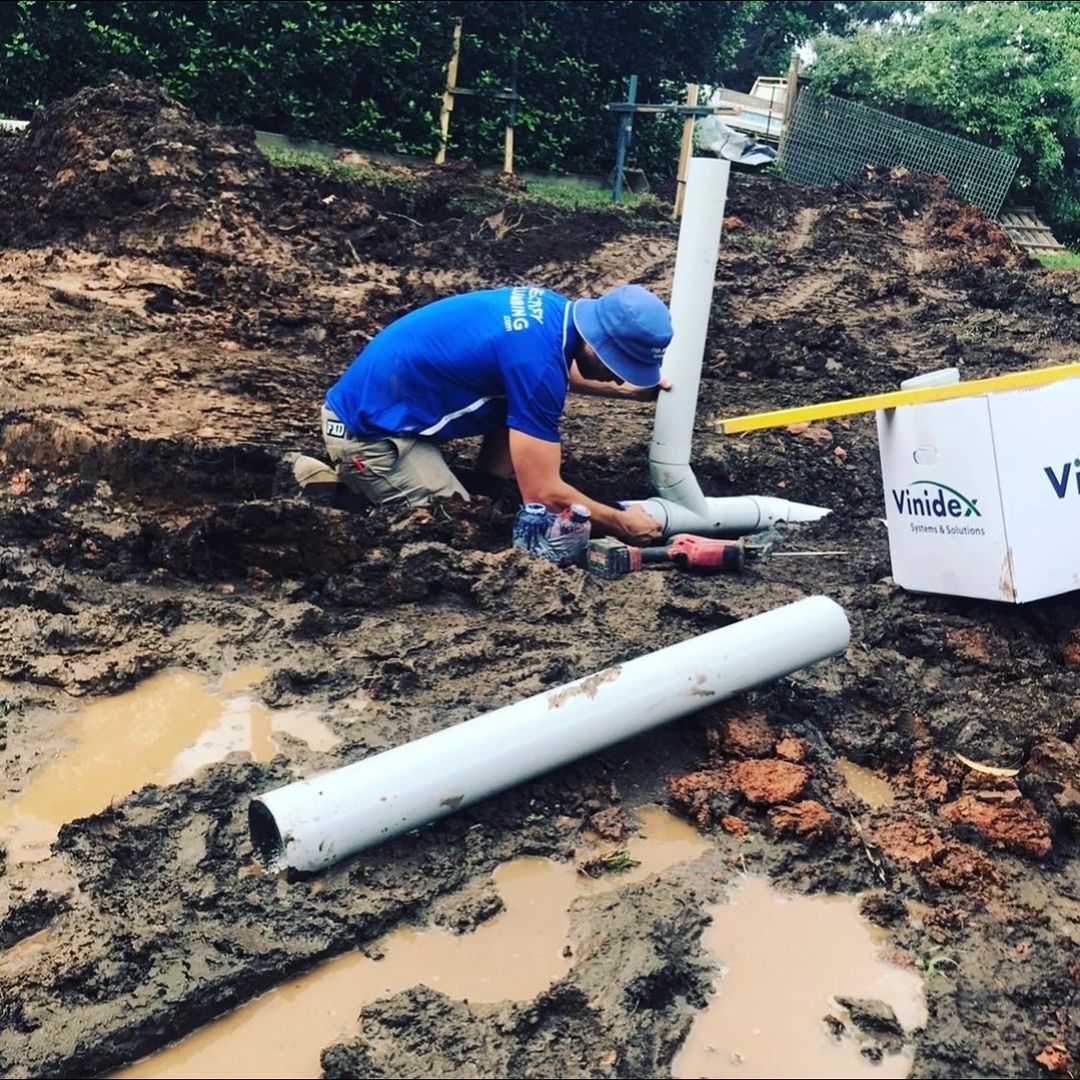
How To Safely Unblock An External Drain